


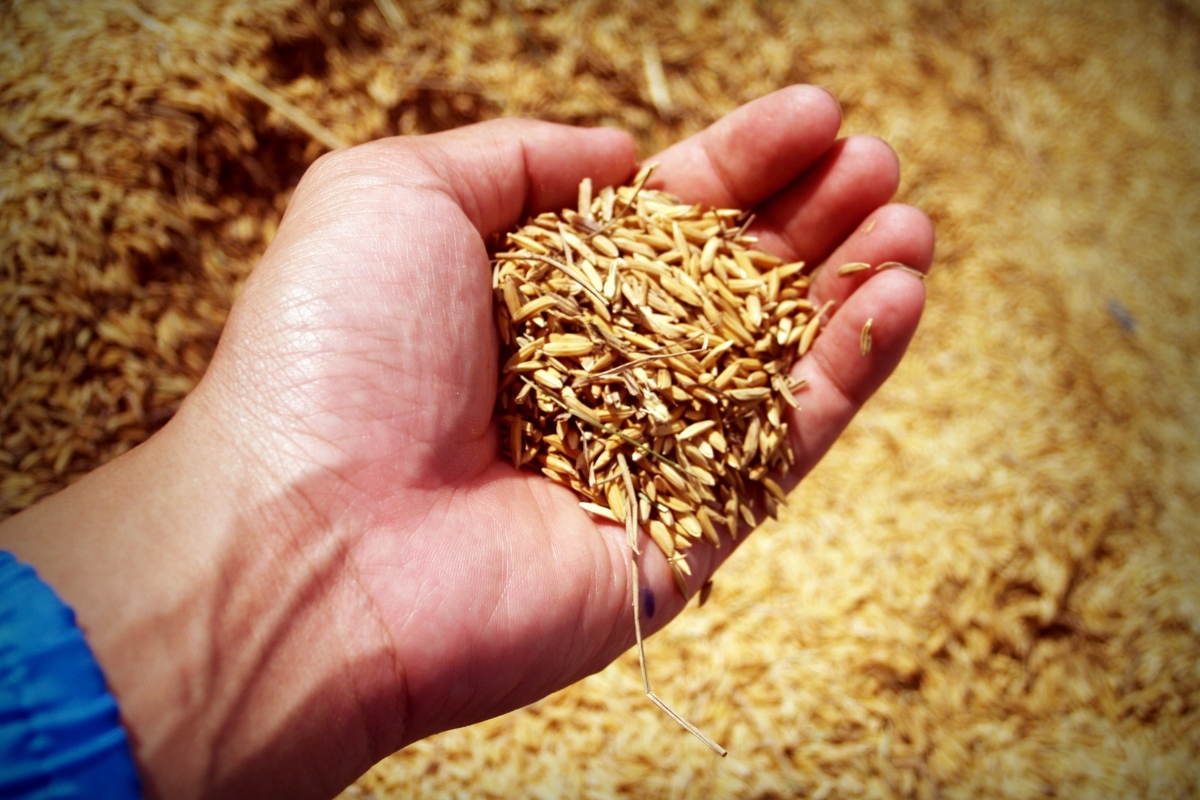
Paddy procurement for the 2026–27 Kharif Marketing Season is becoming a point of concern in northern India as early varieties reach mandis. Farmers in Haryana protested on September 22, demanding procurement before the Centre’s scheduled October 1 start, saying harvested paddy was already arriving in markets.
The Centre has estimated procurement of 708.64 lakh tonnes of paddy for KMS 2026–27. The government also approved new rice specifications for the season, including lower permitted broken-grain limits for rice supplied under government schemes.
The Minimum Support Price for common paddy has been fixed at ₹2,441 per quintal for Kharif Marketing Season 2026–27. For Grade A paddy, the MSP is ₹2,461 per quintal. Both rates are ₹72 higher than the previous season.
The MSP is the government-announced price used for procurement when farmers sell eligible produce through designated procurement arrangements. Farmers should distinguish the MSP from prices offered by private traders, which can vary according to local supply, demand, variety and grain quality.
Some early-maturing paddy varieties have already reached mandis in Haryana. Farmers there had sought an earlier procurement date because they feared having to sell harvested grain before government agencies began purchasing it at MSP.
The Haryana government had requested an earlier start because of early arrivals, while the Centre retained October 1 as the procurement start date. The dispute shows why procurement timing matters when harvested grain reaches markets before government purchase arrangements become active.
How much paddy does the Centre plan to buy?
The government has estimated procurement of 708.64 lakh tonnes of paddy for KMS 2026–27. This target covers procurement planned through the government system and is separate from the quantity farmers may sell through private markets.
The target comes as paddy acreage has fallen from the previous year. As of September 18, paddy had been sown across 42.9 million hectares, compared with 44.6 million hectares a year earlier, according to reported government data.
The regular procurement schedule is set to begin on October 1, although the exact timing and arrangements can vary between states. Haryana’s request for an earlier start shows that crop arrival dates do not always match the standard procurement calendar.
Farmers should check the procurement date announced by their state and district authorities before taking grain to a government purchase centre. They should also confirm whether registration, token systems or other local requirements apply before arriving with their produce.
Government procurement is subject to prescribed quality specifications. Moisture, foreign matter, damaged grains and other quality parameters can affect whether a lot meets the required standards for procurement. Farmers should dry and clean harvested paddy properly before taking it to a procurement centre. They should also check the quality requirements issued by their state procurement agency rather than relying only on advice from local traders.
Has the rice quality rule changed?
Yes. From KMS 2026–27, the approved specification for raw rice under the government’s improved-rice policy allows up to 10% broken grains, compared with the earlier 25% limit. For parboiled rice, the permitted broken-grain limit is 5%, compared with 16% earlier.
These specifications concern rice after milling rather than directly setting the MSP for harvested paddy. States have been asked to assess milling capacity and prepare for the phased expansion of improved-rice procurement during the new marketing season.
Registration requirements depend on the procurement system used by the state. In states where registration is required, farmers need to complete the process within the announced period before taking their crop to designated centres. Farmers should check their state agriculture, food or procurement department for the current registration process. They should keep land records, identity documents, bank details and other documents requested by the state system ready.
Farmers seeking government procurement should take their paddy to designated procurement centres or mandis covered by the state procurement arrangement. The government does not purchase every farmer’s crop from every private market. The exact list of centres and agencies differs between states. Farmers should confirm the nearest authorised centre before transporting their produce, particularly when harvesting early varieties before the main procurement season begins.
What happens if paddy fails quality checks?
If paddy does not meet the prescribed specifications, the procurement agency may not accept it at the applicable MSP until the quality issue is addressed. Farmers can face deductions or rejection depending on the specific quality parameter and state rules. Drying, cleaning and proper storage can help farmers maintain grain quality. Farmers should ask procurement officials about the measured quality parameter if their produce is rejected or a price deduction is proposed.
Freshly harvested paddy can contain more moisture than procurement standards allow. Excess moisture can affect storage and milling quality, which is why procurement systems test grain before accepting consignments. Farmers should follow local drying requirements and avoid mixing properly dried grain with wetter loads. Proper post-harvest handling can reduce disputes at procurement centres and help farmers present grain that meets the required specifications.
Farmers should check the procurement opening date, registration status and location of the authorised centre. They should also confirm the quality requirements and whether the centre requires a token, appointment or other documentation. It is useful to keep records of the quantity harvested and retain the receipt issued after weighing. Farmers should also check that payments are credited to the bank account registered with the procurement system.
The MSP gives farmers a government-announced benchmark for eligible procurement. It does not mean every tonne of paddy sold anywhere in the market will automatically fetch that price. Actual procurement depends on the state system, procurement agency, quality standards, registration and other conditions. Farmers should therefore distinguish between the announced MSP and the price offered by a private buyer outside government procurement.
What should farmers watch this season?
The timing of procurement is one of the key issues this season. Early arrivals can create pressure when harvested paddy reaches markets before government agencies begin purchasing it. The government has also introduced new rice specifications and plans to procure 18.85 lakh tonnes of coarse grains and millets during KMS 2026–27. Procurement centres will also use AI-based image validation under the Procurement Centre Smart-Assessment Portal from this season.
For paddy farmers, the immediate task is to check the procurement schedule in their state, complete any required registration and prepare grain according to the prescribed quality standards.
The 2026–27 common paddy MSP is ₹2,441 per quintal, while Grade A paddy carries an MSP of ₹2,461. Farmers should confirm the authorised procurement centre and local rules before transporting their harvest.
Also Read: Punarnava Jal – The world’s first organic fertilizer! Know how it is beneficial for farmers?
Contact us – If farmers want to share any valuable information or experiences related to farming, they can connect with us via phone or whatsapp at 9599273766 or you can write to us at “kisanofindia.mail@gmail.com”. Through Kisan of India, we will convey your message to the people, because we believe that if the farmers are advanced then the country is happy.
You can connect with Kisan of India on Facebook, Twitter, and Whatsapp and Subscribe to our YouTube channel.