



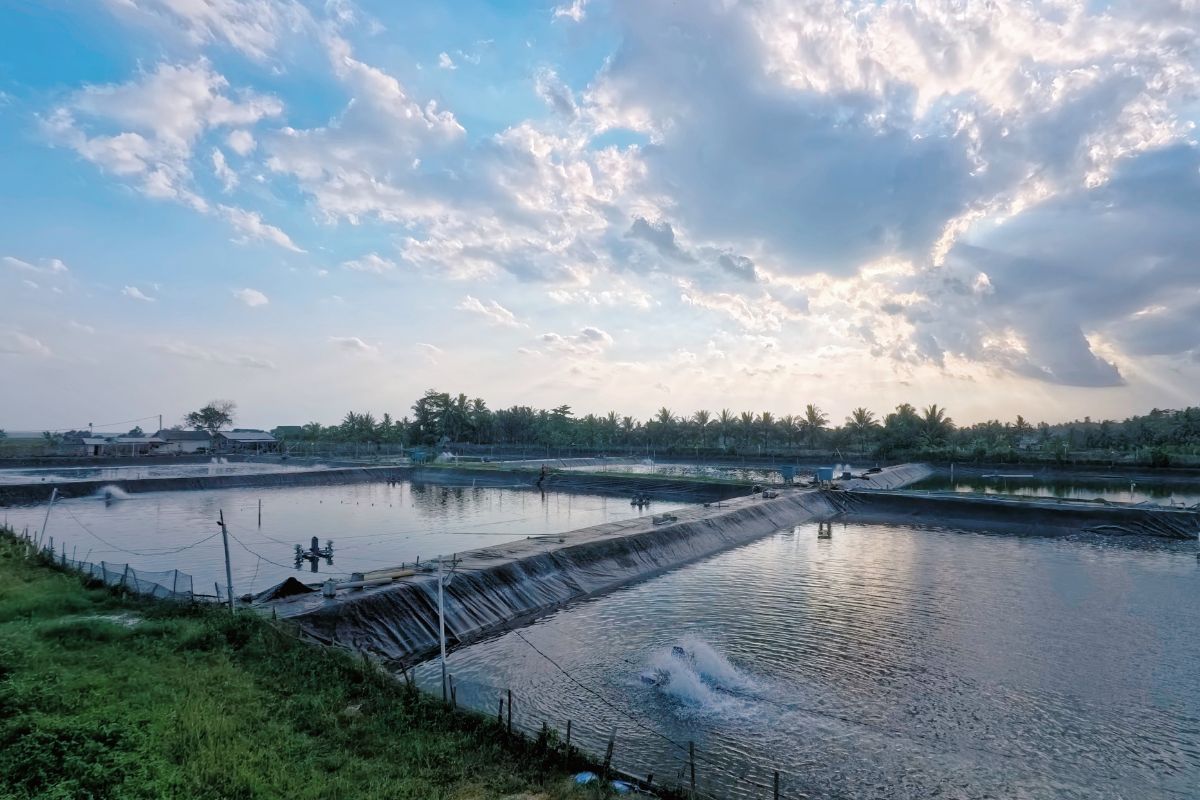
A farm pond can store rainwater for later use, support protective irrigation and reduce dependence on rainfall during dry periods. Under the Watershed Development Component of PMKSY, water-harvesting structures including farm ponds are part of watershed projects in participating areas.
The support does not mean every farmer can independently apply for a fixed central subsidy and receive money for any pond. Farm ponds are taken up through approved watershed projects and state-level plans, so availability depends on the project and location.
The Watershed Development Component of PMKSY is implemented by the Department of Land Resources under the Ministry of Rural Development. The current WDC-PMKSY 2.0 project period runs from 2021 to 2026 and focuses on rainfed and degraded areas.
The programme covers soil and moisture conservation, water harvesting, protective irrigation, land development and livelihood activities. States and Union Territories identify and implement works within approved watershed projects rather than providing one uniform benefit to every farmer across India.
Can farm ponds be supported?
Yes. Farm ponds are among the water-harvesting structures used under watershed development activities. The Department of Land Resources also lists farm ponds alongside check dams, recharge wells, percolation tanks and other measures for improving water availability.
The actual work depends on the approved watershed plan. A farmer should therefore first find out whether their village or land falls within an approved WDC-PMKSY project and which water-harvesting activities have been included in that plan.
Farmers should be careful with claims of a single nationwide farm-pond subsidy under PMKSY. WDC-PMKSY operates through approved projects, and support is linked to the activities and budgets included in those projects. The Department’s current information gives project-level unit costs rather than one universal payment for every individual pond. Under WDC-PMKSY 2.0, unit costs were revised to ₹22,000 per hectare for plain areas and ₹28,000 for difficult and Left-Wing Extremism areas.
Who decides which works are taken up?
States and Union Territories play a major role in planning and carrying out watershed activities. The projects are prepared according to local resource conditions, with planning supported by tools such as GIS and remote sensing. This means farmers should approach the local implementing agency rather than assuming that a central website will approve an individual pond directly. Local project plans determine which works are eligible and where they can be taken up.
A farm pond can store runoff during rainfall and make that water available later for protective irrigation. This can be useful when rainfall gaps occur during a crop’s critical growth stages. The benefit depends on pond size, rainfall, catchment area, seepage, evaporation and the crops being grown. Farmers should plan storage according to local conditions rather than constructing the largest possible pond.
Water harvesting can be especially useful in rainfed areas because rainfall may arrive in short periods followed by dry spells. Capturing part of that runoff can provide water when crops need it later. WDC-PMKSY 2.0 specifically targets rainfed and degraded areas. The programme’s dashboard currently reports more than 3.10 lakh hectares brought under additional protective irrigation through the watershed component.
How many farmers have benefited?
The Department of Land Resources dashboard currently reports about 24.65 lakh farmers as beneficiaries under WDC-PMKSY 2.0. It also records more than 1.27 lakh water-harvesting structures newly created or rejuvenated. These are programme-level figures, not a count of farmers who individually received farm ponds. The figures cover the wider range of watershed activities carried out under the scheme.
A farm pond mainly stores surface water. Its effect on groundwater depends on soil, geology, pond design and surrounding watershed conditions. Other watershed structures may be designed specifically for recharge. The Department lists recharge wells, percolation tanks, check dams and other structures as part of watershed and springshed work, showing that storage and groundwater recharge are related but different objectives.
Farmers can also look at the Per Drop More Crop component of PMKSY for micro-irrigation. The official PMKSY FAQ says the component focuses on improving water-use efficiency through precision and micro-irrigation technologies such as drip systems. The operational guidelines provide financial assistance for micro-irrigation. The central and state assistance together is listed at 55% for small and marginal farmers and 45% for other farmers, subject to scheme conditions and approved costs.
Stored water can be combined with an appropriate irrigation system, including drip irrigation, if the water quality, filtration and system design are suitable. This can help deliver water closer to crop roots. Farmers should calculate the cost of pumps, pipes, filters and drip lines before installation. A pond alone does not guarantee efficient irrigation if water is applied through an unsuitable system.
First, farmers should find out whether their village falls under an approved watershed project. They should then ask the local implementing agency which water-harvesting works are included and what conditions apply. They should keep land records and other documents required by the state or project agency ready. The exact application process can vary because WDC-PMKSY is implemented through state and local structures.
Can farmers build ponds anywhere?
No. A pond needs a suitable location, catchment and soil conditions. Farmers also need to consider land slope, drainage, water inflow, seepage and the distance from cultivated fields. A technically unsuitable pond can fill slowly, lose water rapidly or fail to provide useful irrigation. Site selection should therefore be done with technical guidance rather than based only on available space.
Farmers can ask the agriculture, rural development or watershed department whether their village is covered under WDC-PMKSY 2.0. They should ask which agency is responsible for the project and whether farm ponds are included in the approved plan. They should also ask about beneficiary selection, contribution requirements, technical specifications, construction standards and payment procedures before starting any work.
Is PMKSY only about farm ponds?
No. PMKSY covers several water-management components. The watershed component includes soil and moisture conservation, water harvesting, protective irrigation and land development, while Per Drop More Crop focuses on micro-irrigation and water-use efficiency. This matters because a farmer’s water problem may not be solved by a pond alone. Depending on the location, soil conservation, groundwater recharge, drip irrigation or other watershed measures may be more suitable.
If you want a farm pond, start by checking whether your land falls within an approved watershed project. Do not begin construction based only on a claim that PMKSY will reimburse a fixed amount. Ask the local project agency about eligibility, approved activities and technical requirements. If the project includes a farm pond, the agency can explain the process, site assessment and support available under the approved plan.
For farmers facing irregular rainfall, water harvesting can provide a way to store part of the water that would otherwise leave the farm as runoff. But the pond needs to fit the farm’s soil, catchment, crops and irrigation needs. The key point is that PMKSY support is project-based. Farmers should verify the current rules and local availability with the implementing agency before spending money on construction.
Also Read: Punarnava Jal – The world’s first organic fertilizer! Know how it is beneficial for farmers?
Contact us – If farmers want to share any valuable information or experiences related to farming, they can connect with us via phone or whatsapp at 9599273766 or you can write to us at “kisanofindia.mail@gmail.com”. Through Kisan of India, we will convey your message to the people, because we believe that if the farmers are advanced then the country is happy.
You can connect with Kisan of India on Facebook, Twitter, and Whatsapp and Subscribe to our YouTube channel.