


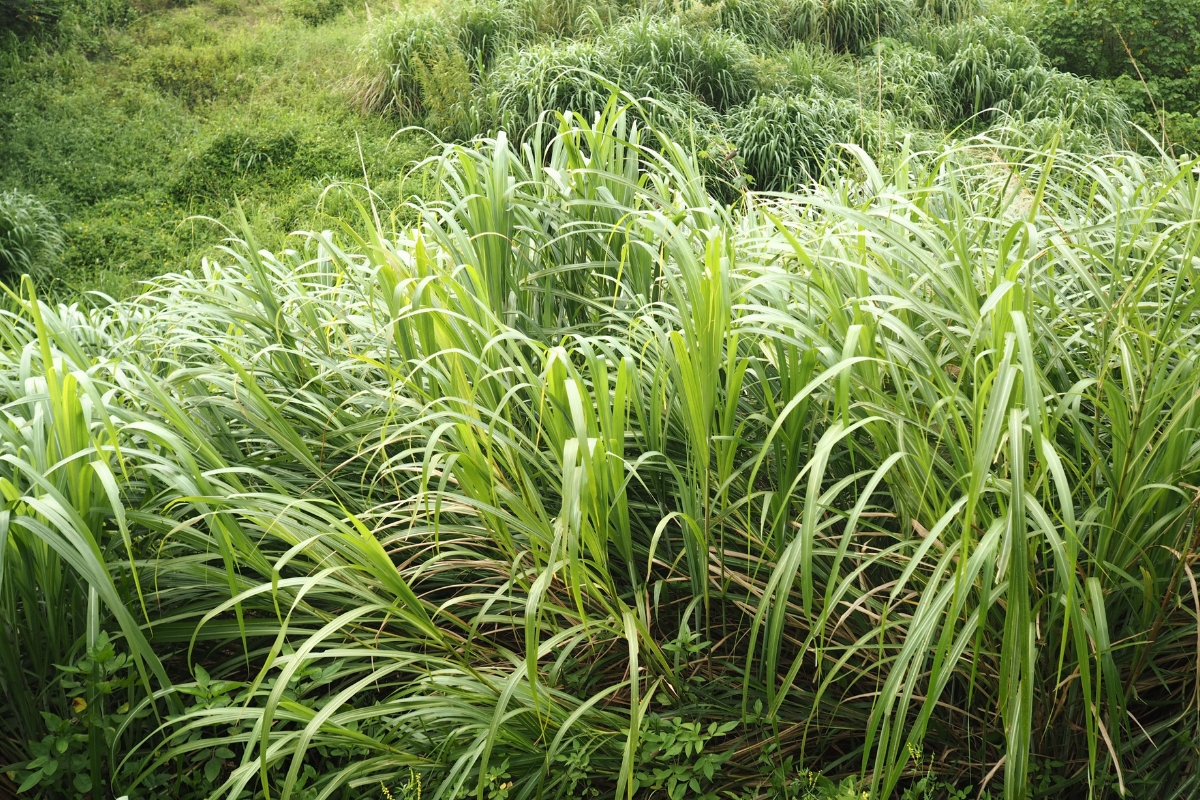
Lemongrass farming can become more than a crop-selling activity when farmers add oil extraction to the business. An FPO in Palwal, Haryana, is using a 500-litre steam distillation unit to process lemongrass biomass into essential oil. The model offers farmers another route to earn from cultivation.
The Hodal Farmers’ Producer Company has developed lemongrass cultivation and oil extraction with support from ICAR-IARI and other partners. Farmers grow the Pragati cultivar, also identified as LS48, which is known for higher oil content. Harvested biomass is processed locally instead of being sold only as raw material.
The enterprise uses direct steam distillation, with each batch taking about 3.5 to four hours. ICAR reports an oil recovery rate of about 0.4%, meaning four kilograms of oil can be recovered from one tonne of fresh lemongrass biomass under the reported operating conditions.
The resulting oil contains about 74–78% citral, a compound widely used in fragrance, cosmetic and pharmaceutical products. This gives the crop a value beyond the farm gate. Farmers connected to the FPO can participate in a supply chain where cultivation and processing are planned together.
What Farmers Can Earn
ICAR reports gross income of about ₹1.56 lakh per hectare from the lemongrass enterprise, against a cultivation and processing cost of ₹50,178. The reported net return is around ₹1.06 lakh per hectare, with a benefit-cost ratio of 3.12 under the model.
For small farmers, processing can change the economics of a crop. Selling fresh biomass leaves farmers dependent on traders and local demand. An extraction unit creates another market for the harvest, while the FPO can coordinate production, processing, quality control and sales.
Lemongrass also has a relatively different production cycle from many food crops, which can help farmers diversify their farm income. ICAR says the model uses limited chemical inputs and can support soil health. Still, farmers need suitable land, reliable buyers and technical guidance before investing.
The bigger question is whether farmers should establish their own distillation unit. For an individual smallholder, the investment and operating requirements may be difficult to manage. An FPO, cooperative or village-level enterprise can spread machinery costs across several producers and keep the unit supplied with biomass.
Why Processing Matters
Market access is equally important. Essential oil buyers may require consistent quality, purity and chemical composition. Farmers cannot assume that every batch will fetch the same price. Regular testing, proper storage and standardised distillation practices are needed if the enterprise wants to build repeat buyers.
The Palwal model also shows why processing can be combined with collective farming. Farmers can coordinate planting areas and harvesting schedules so the distillation unit receives enough biomass. Better planning can reduce periods when machinery remains unused and help the enterprise operate closer to its practical capacity.
Farmers interested in this business should first calculate the available biomass, expected recovery, processing cost and local demand. They should also identify buyers before expanding cultivation. A crop with a promising product market can still become risky if farmers produce more oil than they can sell.
Training should come before investment. Farmers need to understand planting material, harvesting stage, biomass handling, distillation, oil storage and basic quality testing. KVKs and agricultural research centres can help identify suitable varieties, production practices and processing options instead of farmers relying on unverified commercial advice.
Can Small Farmers Adopt It?
Climate conditions also need attention. Lemongrass enterprises should be planned around local rainfall, water availability and soil conditions. Diversifying into an aromatic crop does not remove weather risk. Farmers should assess whether the crop fits existing rotations and whether processing can continue when extreme weather disrupts harvesting.
The cost of processing is another factor. A shared facility can make more sense where several farmers produce enough biomass to keep machinery operating. Before investing, an FPO should estimate machinery costs, labour, electricity or fuel, maintenance, packaging and transportation, along with the expected price of essential oil.
The Hodal experience suggests that lemongrass can work as a smallholder enterprise when cultivation is linked to processing and collective marketing. For farmers with suitable conditions, the opportunity is not simply growing another crop. It is building a local value chain that keeps more of the product’s value within the farming community.
Also Read: Punarnava Jal – The world’s first organic fertilizer! Know how it is beneficial for farmers?
Contact us – If farmers want to share any valuable information or experiences related to farming, they can connect with us via phone or whatsapp at 9599273766 or you can write to us at “kisanofindia.mail@gmail.com”. Through Kisan of India, we will convey your message to the people, because we believe that if the farmers are advanced then the country is happy.
You can connect with Kisan of India on Facebook, Twitter, and Whatsapp and Subscribe to our YouTube channel.