


From Jute Leaves to Herbal Infusion: A New Farm Business in West Bengal

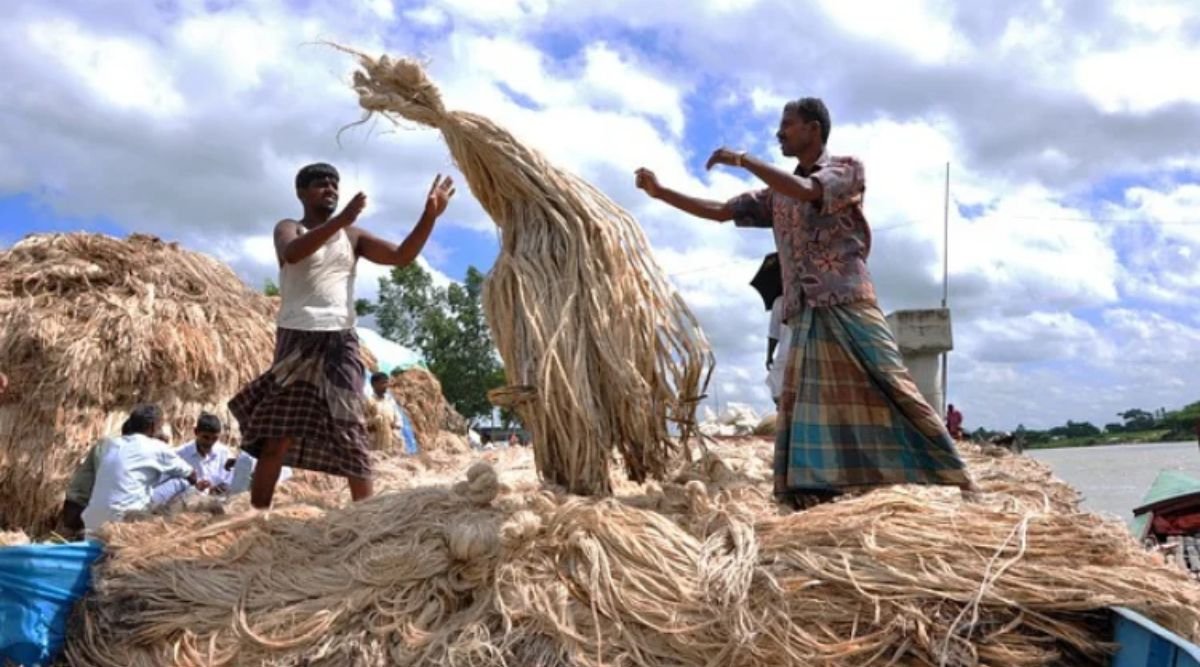
Jute is widely known for its fibre, but a new rural enterprise is showing that the crop can also create value from its leaves. ICAR recently highlighted the Amata Moroheiya Infusion project, which turns jute leaves into a processed herbal infusion. The initiative offers an example of how farmers and rural entrepreneurs can look beyond selling raw agricultural produce.
A crop can have more than one market
Farmers often sell crops in their raw form. A jute farmer, for example, may focus mainly on the fibre. Other parts of the plant may receive less commercial attention. Value addition changes this approach.
Instead of selling only raw produce, farmers and rural enterprises can process agricultural materials into products with a different market. The Amata Moroheiya Infusion story focuses on this idea by using jute leaves to create a consumer product. ICAR published the success story on August 27, 2026.
Moroheiya is commonly associated with the leaves of the jute plant and is used as a leafy food in different parts of the world. The leaves can be processed for different food uses.
The Amata project has developed an infusion product from this agricultural resource, creating a new use for a part of the crop that does not form the main focus of India’s jute fibre market. The story raises an important business question for agriculture.
Can farmers earn more by finding new uses for materials already produced on their farms?
Many agricultural products have value beyond their primary use. Crop residues, leaves, by-products and lower-grade produce can sometimes be processed into other products. This requires more than simply making something new.
A farm business must also examine:
- Food safety requirements
- Processing methods
- Product quality
- Packaging
- Shelf life
- Consumer demand
- Production costs
The Amata Moroheiya Infusion project is an example of looking at a familiar crop from a different commercial perspective. The business value comes from processing and marketing rather than increasing the area under cultivation alone.
Processing can create rural income opportunities
Value-added agriculture can create work beyond crop cultivation. Processing may involve cleaning, drying, grading, packaging and marketing. This can create opportunities for farmer groups, rural entrepreneurs and small enterprises.
A product does not have to reach a national market immediately. Local shops, specialty food outlets, online platforms and regional buyers can provide starting points, depending on the product and regulations. For small farm enterprises, the first challenge is often finding a market that is willing to pay for the processed product.
Value addition can increase the selling price of an agricultural product, but it also creates new expenses. Processing equipment, labour, packaging, transport and marketing can all add to costs. Farmers should therefore compare the value of raw produce with the final cost of producing and selling a processed product.
A higher retail price does not always mean a higher profit. The business must generate enough sales to cover the additional work and investment. This makes market research important before farmers invest in processing.
Farmers interested in value-added products do not always need to start with a large processing unit. A smaller pilot can help test consumer demand. Farmer groups and cooperatives can also reduce individual costs by sharing equipment and processing facilities.
The product can then be improved based on customer feedback. Questions such as these matter:
- Who will buy it?
- How often will they buy it?
- What price will they pay?
- Can the product remain fresh and safe during transport?
- Is there enough raw material for regular production?
India needs more businesses around farm products
Agriculture is not limited to growing crops. Income can also come from what happens after harvest. Processing, branding and direct marketing can create new earning opportunities when farmers have the right product and access to buyers.
The Amata Moroheiya Infusion project shows how an agricultural product can be viewed differently. Jute leaves are not being treated only as a secondary part of a fibre crop. They are being used to create a separate consumer product.
For farmers and rural entrepreneurs, that is the central lesson. A new farm business does not always require a new crop. Sometimes, it begins with finding a new use for what is already growing on the farm.
Also Read: Punarnava Jal – The world’s first organic fertilizer! Know how it is beneficial for farmers?
Contact us – If farmers want to share any valuable information or experiences related to farming, they can connect with us via phone or whatsapp at 9599273766 or you can write to us at “kisanofindia.mail@gmail.com”. Through Kisan of India, we will convey your message to the people, because we believe that if the farmers are advanced then the country is happy.
You can connect with Kisan of India on Facebook, Twitter, and Whatsapp and Subscribe to our YouTube channel.