


Silage Making for Dairy Farmers: How to Store Green Fodder and Feed Cattle During Winter

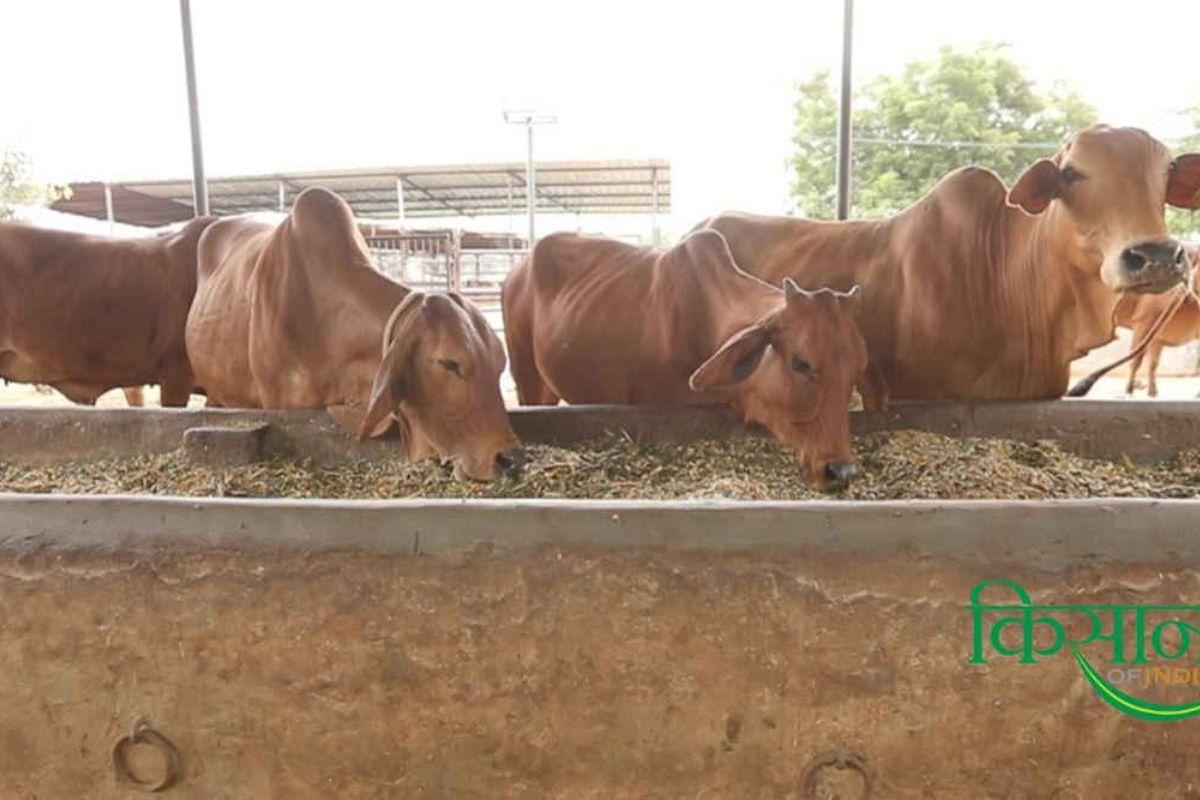
Green fodder can become scarce when fields are harvested, temperatures fall or snowfall limits access to grazing areas. Dairy farmers who depend on fresh grass may then face higher feed costs or struggle to maintain a balanced ration. Preserving suitable fodder before shortages begin can help stabilise feeding throughout the year.
Silage is green fodder preserved through controlled fermentation in an airtight environment. Farmers commonly use suitable maize, sorghum and other fodder crops to prepare it. When made and stored properly, silage can retain useful nutrients and provide a reliable feed source during winter, dry spells or periods when fresh fodder is unavailable.
ICAR’s agricultural advisories recommend preparing silage from locally available fodder to manage seasonal feed shortages. Its guidance for farmers in cold regions also highlights the need to store enough dry fodder and concentrate feed before heavy snowfall restricts access to grazing areas.
Five Steps to Prepare Silage
1. Choose Suitable Fodder
Maize is widely used for silage because it can provide energy-rich feed when harvested at the appropriate stage. Suitable sorghum and other fodder crops may also be used, depending on local growing conditions and animal requirements. Farmers should ask their KVK which varieties and harvesting stages suit their region.
Do not use mouldy, rotten or contaminated plant material for silage. The quality of the final feed depends on the crop, maturity, moisture content and handling before storage. Planning the harvest carefully helps farmers preserve better-quality fodder and reduce avoidable waste.
2. Chop the Crop Properly
Chopping the fodder into small, fairly uniform pieces helps farmers compact it and remove trapped air. A suitable chaff cutter can make the work faster, especially when preparing larger quantities. Farmers hiring machinery should check the equipment condition and follow the manufacturer’s safety instructions.
Avoid leaving chopped fodder exposed for long periods before packing. Delays can allow nutrients to deteriorate and contamination to occur. Organise harvesting, chopping and filling so that the material can be compacted and sealed promptly.
3. Pack and Seal the Fodder
Silage can be prepared in suitable pits, bunkers, drums or strong silage bags. The material must be packed tightly to remove as much trapped air as possible, then sealed to prevent air and rainwater from entering. Choose a storage system that matches the quantity of fodder and the available space.
Poor sealing can encourage mould and spoilage, wasting both fodder and labour. Protect the storage area from rodents, sharp objects and flooding. Farmers should inspect the outside regularly for damage without opening the storage unnecessarily.
4. Allow Fermentation to Take Place
Once sealed, the fodder ferments under oxygen-limited conditions. The fermentation process produces acids that help preserve the material. The time required before feeding depends on the crop, moisture content, packing method and storage conditions, so farmers should follow guidance for their particular system.
Do not open the storage simply because the outside looks ready. Seek advice from a KVK or livestock specialist about the appropriate storage period and signs of successful fermentation. Properly preserved silage should not show obvious mould, putrid smells or other signs of spoilage.
5. Feed It Carefully
Introduce silage gradually into the cattle ration rather than suddenly replacing the animals’ usual feed. The suitable quantity depends on the animal’s size, milk production, pregnancy status and the quality of the silage. A balanced ration should also supply adequate fibre, protein, minerals and clean drinking water.
Discard visibly mouldy or foul-smelling silage instead of feeding it to livestock. Spoiled feed can create health risks and should not be mixed with good fodder to hide its condition. Ask a veterinarian or livestock nutrition expert to help formulate a ration for high-yielding or vulnerable animals.
How Much Fodder Should Farmers Store?
Estimate the daily fodder requirement of the herd and the number of days that fresh fodder may be unavailable. Multiply the expected daily requirement by the storage period, then allow for handling and storage losses. The final quantity should reflect the number and type of animals kept on the farm.
For example, a farmer planning for 10 cattle over 60 days must calculate the daily ration for all 10 animals before deciding how much silage to prepare. This is a planning example, not a recommended feeding rate. The amount of silage depends on the ration, animal weight and production needs.
Farmers should also store dry fodder and suitable concentrate feed. Silage alone may not meet every nutritional requirement, particularly for lactating animals. A balanced feeding plan can help maintain animal condition and milk production while reducing the risk of costly feed shortages.
Farmers can contact their nearest Krishi Vigyan Kendra, state veterinary department or agricultural university for advice on silage preparation and balanced feeding. They should ask about suitable fodder crops, chopping equipment, storage structures and any local demonstrations before investing in a larger system.
The Indian Council of Agricultural Research publishes livestock and fodder-management guidance. Farmers in cold regions can also consult ICAR advisories on fodder conservation and winter feeding. Recommendations should be adapted to the local climate, available crops and the nutritional needs of the herd.
Silage can help dairy farmers preserve green fodder for winter and other periods of shortage. Good results depend on suitable crop selection, proper chopping, tight packing, effective sealing and safe feeding. Farmers should calculate their herd’s requirements in advance and combine silage with a balanced ration rather than rely on one feed source alone.
Also Read: Punarnava Jal – The world’s first organic fertilizer! Know how it is beneficial for farmers?
Contact us – If farmers want to share any valuable information or experiences related to farming, they can connect with us via phone or whatsapp at 9599273766 or you can write to us at “kisanofindia.mail@gmail.com”. Through Kisan of India, we will convey your message to the people, because we believe that if the farmers are advanced then the country is happy.
You can connect with Kisan of India on Facebook, Twitter, and Whatsapp and Subscribe to our YouTube channel.