


El Niño and Indian Farming: 7 Steps Farmers Can Take to Reduce Crop Losses From Weather Extremes

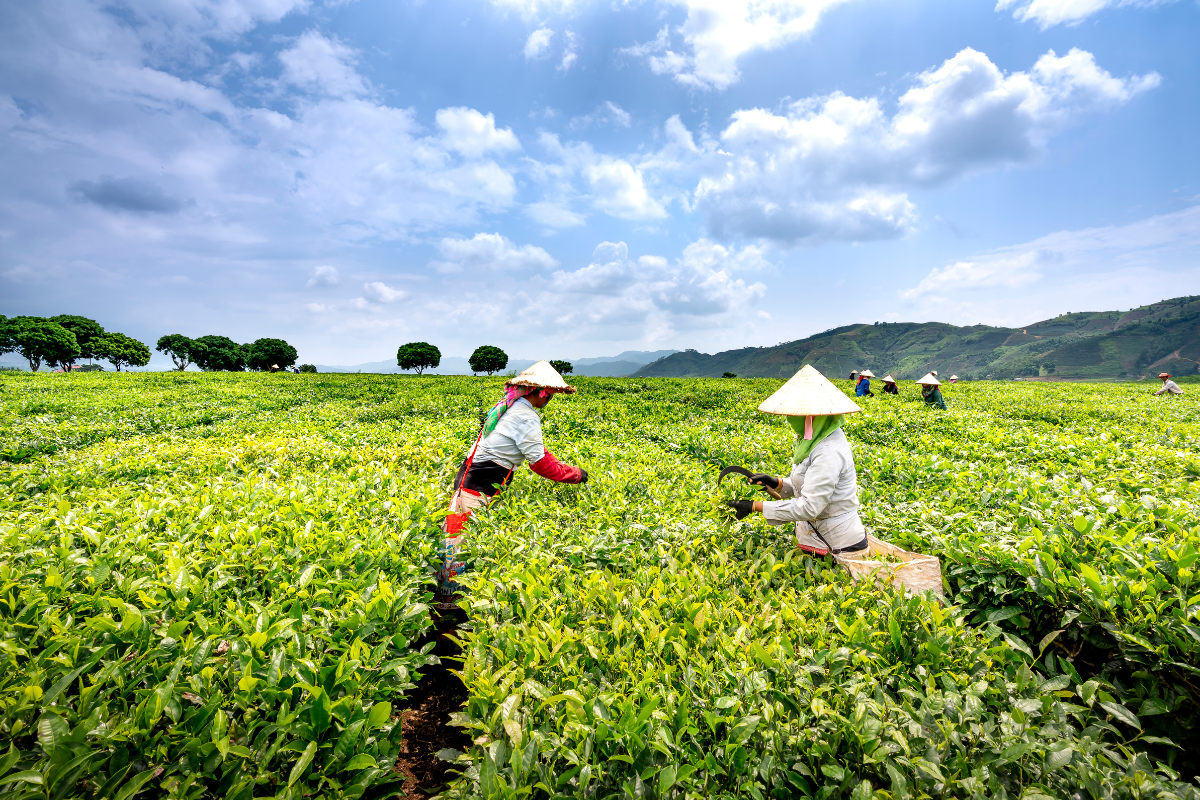
Farmers depend on seasonal rainfall to plan sowing, irrigation and harvesting. El Niño, a warming of surface waters in the central and eastern equatorial Pacific Ocean, can influence atmospheric circulation and India’s monsoon. Its effects vary, so farmers should not assume that every El Niño year will bring the same rainfall pattern.
In 2026, ICAR institutions have discussed contingency planning for possible El Niño-related weather variability. A stakeholder meeting organised by ICAR’s Nagaland centre focused on protecting crops and livestock through stress-tolerant varieties, water conservation and crop diversification. These measures can help farmers prepare for uncertain conditions, although their suitability depends on the region.
ICAR’s National Innovations on Climate Resilient Agriculture programme has assessed climate risks in 651 predominantly agricultural districts. It identified 310 as vulnerable, including 109 classified as very highly vulnerable. District agriculture contingency plans recommend locally suitable crops, varieties and management practices for weather-related risks.
Seven Steps to Reduce Weather-Related Crop Risks
1. Check Weather Advisories Before Sowing
Do not decide sowing dates only by following last year’s calendar. Check rainfall forecasts and local agricultural advisories before preparing fields or buying large quantities of seed. A forecast can help farmers judge whether to sow immediately, wait for better soil moisture or consider a suitable alternative crop.
The India Meteorological Department provides agricultural weather advisories through its Agricultural Meteorology Division and the Meghdoot mobile app. Farmers can also contact their nearest Krishi Vigyan Kendra (KVK) for local guidance. Forecasts are updated as conditions change, so check them regularly rather than relying on a single prediction.
2. Select Crops and Varieties Suited to Local Risks
Farmers in drought-prone areas may need varieties that mature earlier or tolerate moisture stress. In flood-prone locations, varieties that can withstand temporary submergence may be more appropriate. The choice should depend on local rainfall, soil, irrigation facilities, market demand and recommendations from agricultural experts.
ICAR has demonstrated climate-resilient rice varieties such as Swarna Sub-1 and Pooja in flood-prone parts of Odisha. These varieties are examples of how crop choice can be matched to specific risks. Farmers should confirm which varieties are recommended for their own district before buying seed.
3. Harvest Rainwater Where Possible
Rainwater harvesting can help farms retain water during periods of rainfall and reduce dependence on uncertain supplies. Depending on the terrain, farmers may use farm ponds, field bunds, contour trenches or other locally suitable structures. The design should account for soil type, slope, rainfall intensity and safe overflow.
Before investing, ask the agriculture or watershed department whether a suitable water-conservation programme is available. Farmers should check whether a structure needs approval and whether it could affect neighbouring fields. Shared water-harvesting facilities may be worth considering where individual farmers cannot afford construction.
4. Conserve Soil Moisture
Mulching with suitable crop residues can reduce direct evaporation from the soil and help protect the surface from erosion. Farmers can also consider maintaining soil cover, reducing unnecessary tillage and managing weeds before they compete heavily with crops for water.
The right method depends on the crop and local conditions. Residues may need to be managed carefully to avoid interfering with sowing or encouraging pests. Farmers should ask local experts about the most suitable approach rather than assume that every field needs the same treatment.
5. Plan Irrigation Around Critical Crop Stages
When water is limited, irrigation should be planned according to crop needs, soil moisture and available supply. Some growth stages are more sensitive to water stress than others. Farmers should ask local agricultural experts which stages are most important for their crop and avoid wasting water through unnecessary watering.
Drip or sprinkler irrigation may help improve water delivery in suitable fields, though installation and maintenance costs must be considered. Farmers should also inspect pipes, channels and pumps for leaks before the season. More efficient irrigation can reduce waste, but it cannot compensate for an exhausted water source.
6. Diversify Crops and Income Sources
Relying on a single crop can expose a household to greater losses when weather or market conditions deteriorate. Depending on local resources, farmers may consider pulses, oilseeds, millets, vegetables or suitable livestock activities alongside their main crop. Diversification should be based on local demand and water availability.
A new enterprise can require extra labour, equipment and investment. Farmers should start with a manageable area or small trial and calculate expected costs before expanding. KVKs and agricultural universities can help assess whether alternative crops are suitable for the region.
7. Prepare a Contingency Plan
A contingency plan sets out what to do if rainfall is delayed, a dry spell persists or heavy rain damages a crop. It may include alternative sowing dates, suitable short-duration crops, seed availability, fodder arrangements and emergency water-management measures.
ICAR has prepared district-level agricultural contingency plans to guide responses to weather disruptions. Farmers can ask their KVK or district agriculture office for the plan relevant to their area. Keeping seed suppliers’ details, machinery contacts and local advisory numbers accessible can help farmers respond more quickly when conditions change.
Where Can Farmers Get Local Support?
The ICAR NICRA programme works on climate-risk assessment and adaptation practices. Farmers can seek advice from KVKs, state agricultural universities and district agriculture offices about suitable crops, seed varieties, water management and local contingency plans.
The IMD Agricultural Meteorology Division provides weather-based agricultural services and links to the Meghdoot app. The ICAR website publishes research and updates on climate-resilient agriculture. Farmers should confirm current scheme eligibility and local availability with the relevant department before making major investments.
El Niño does not affect every Indian farming region in the same way. Farmers can reduce exposure to weather risks by checking forecasts, choosing locally suitable varieties, conserving soil moisture, planning irrigation and preparing alternatives before a crisis develops. Local agricultural advice is essential because effective measures vary by crop, soil and water availability.
Also Read: Punarnava Jal – The world’s first organic fertilizer! Know how it is beneficial for farmers?
Contact us – If farmers want to share any valuable information or experiences related to farming, they can connect with us via phone or whatsapp at 9599273766 or you can write to us at “kisanofindia.mail@gmail.com”. Through Kisan of India, we will convey your message to the people, because we believe that if the farmers are advanced then the country is happy.
You can connect with Kisan of India on Facebook, Twitter, and Whatsapp and Subscribe to our YouTube channel.
