



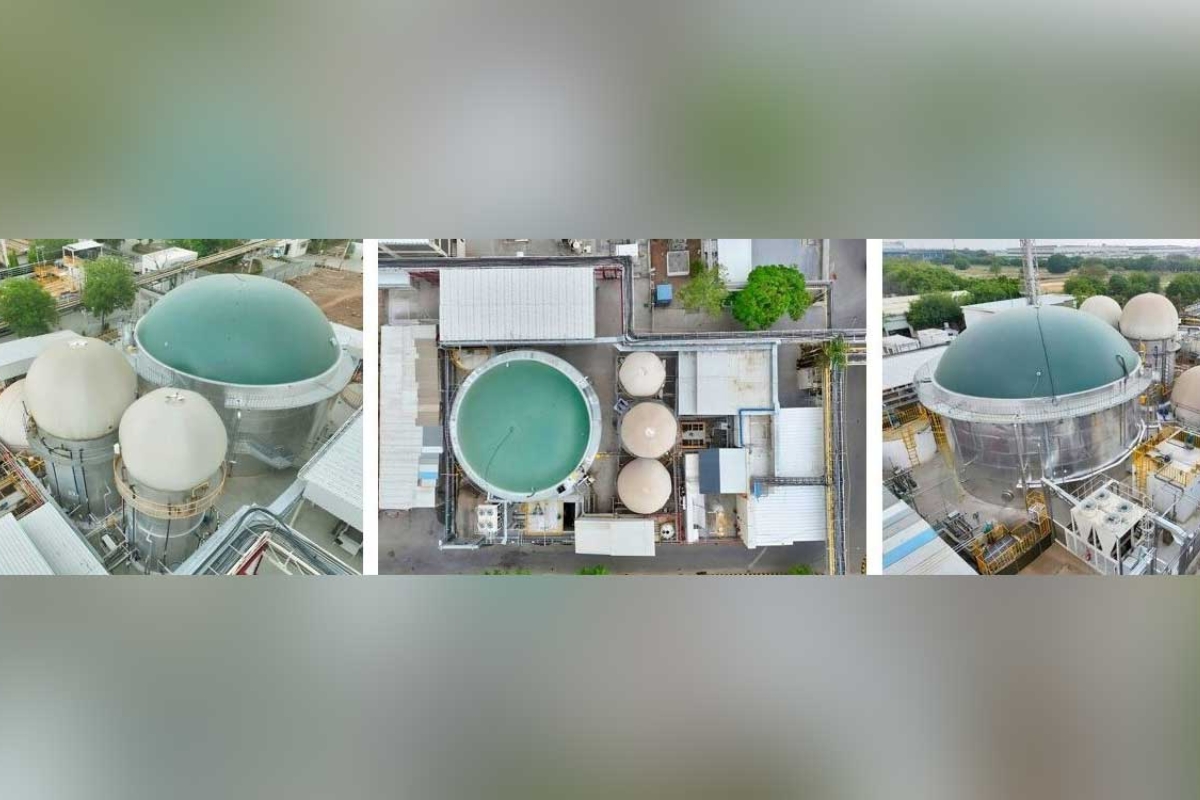
Maruti Suzuki India has announced plans to establish a compressed biogas (CBG) plant that will convert agricultural residue into clean fuel. The project is expected to create new income opportunities for farmers by purchasing crop waste that is often burnt after harvest. The initiative also supports India’s efforts to promote renewable energy and reduce air pollution caused by stubble burning.
Agricultural residue such as paddy straw has traditionally been treated as waste because farmers have limited options for its disposal. By using this biomass to produce compressed biogas, the project aims to convert farm waste into a valuable economic resource.
Creating Value from Crop Residue
Every year, millions of tonnes of crop residue remain in fields after harvesting. In many regions, farmers burn the residue to prepare land quickly for the next crop, contributing to severe air pollution.
The proposed biogas plant will collect agricultural biomass from nearby farming communities and process it into compressed biogas through anaerobic digestion. The remaining organic slurry can also be used as nutrient-rich organic manure, creating an additional benefit for agriculture.
Officials believe the project will encourage farmers to sell crop residue instead of burning it, helping improve environmental sustainability while generating extra farm income.
Selling agricultural residue can provide farmers with a new revenue stream without requiring additional land or investment.
Instead of treating straw as waste, farmers will be able to supply biomass to the plant, where it will be converted into renewable fuel. This approach supports the circular economy by ensuring that agricultural waste is recycled into useful products.
Experts say the growing compressed biogas sector can create rural employment opportunities in biomass collection, transportation and processing while strengthening local economies.
Supporting India’s Clean Energy Goals
Compressed biogas is considered an important renewable fuel because it can replace fossil fuels in transport and industrial applications. It also contributes to lower greenhouse gas emissions by reducing open-field burning of agricultural residue.
The project aligns with the Government of India’s efforts to promote clean energy through initiatives such as the Sustainable Alternative Towards Affordable Transportation (SATAT) programme, which encourages the production and use of compressed biogas across the country.
Expanding the use of agricultural biomass can also reduce dependence on imported fossil fuels while creating new business opportunities in rural areas.
A Step Towards Sustainable Agriculture
The planned biogas plant demonstrates how agriculture and clean energy can support each other. Instead of becoming an environmental problem, crop residue can be transformed into a valuable resource that benefits farmers, industry and the environment.
Agricultural experts believe projects like this can play a significant role in reducing stubble burning, improving waste management and increasing farmer incomes. As more industries invest in biomass-based energy, agricultural residue could become an important source of renewable fuel while contributing to a cleaner and more sustainable rural economy.
Also Read: Punarnava Jal – The world’s first organic fertilizer! Know how it is beneficial for farmers?
Contact us – If farmers want to share any valuable information or experiences related to farming, they can connect with us via phone or whatsapp at 9599273766 or you can write to us at “kisanofindia.mail@gmail.com”. Through Kisan of India, we will convey your message to the people, because we believe that if the farmers are advanced then the country is happy.
You can connect with Kisan of India on Facebook, Twitter, and Whatsapp and Subscribe to our YouTube channel.