



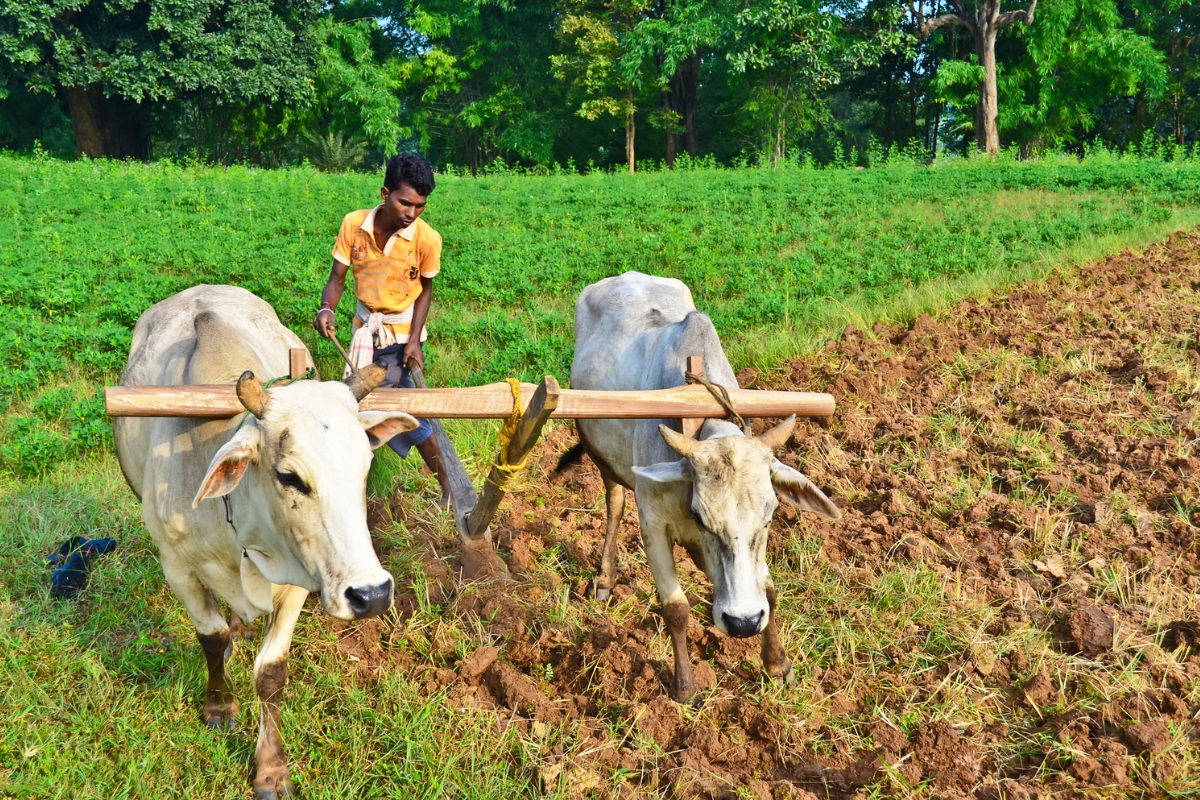
A failed crop can wipe out months of farm work and leave farmers facing debt before the next season begins. The Pradhan Mantri Fasal Bima Yojana (PM Fasal Bima Yojana) provides insurance against several crop risks, including drought, floods, cyclones, pests, diseases and specified post-harvest losses.
The scheme was launched in 2016 to provide affordable crop insurance. For 2026–27, the government has allocated Rs 12,200 crore for PMFBY. As of 27 August 2026, 241.38 lakh farmers had been insured under Kharif 2026, covering 278.12 lakh hectares.
What PMFBY Covers
PMFBY covers risks during different stages of cultivation. These include prevented or failed sowing, widespread crop losses during the season and certain localized calamities. The scheme also covers specified post-harvest losses caused by events such as cyclones and unseasonal rainfall.
Farmers can receive protection against losses caused by drought, floods, inundation, cyclones, hailstorms, pests and diseases, depending on the notified crop and area. The exact risks covered can vary by state and season, so farmers should check the notification issued for their particular crop.
The premium paid by farmers remains capped for major foodgrain and oilseed crops. Farmers pay up to 2% of the sum insured for Kharif crops and 1.5% for Rabi crops. For commercial and horticultural crops, the maximum farmer premium is 5%.
The remaining premium is subsidised by the government according to the scheme’s rules. For North-Eastern and Himalayan states and Union Territories, the Centre and state governments share the subsidy at a 90:10 ratio. This structure reduces the direct premium burden on participating farmers.
How Claims Reach Farmers
Technology has become a major part of crop insurance assessment. PMFBY uses systems such as YES-TECH for technology-based yield estimation and WINDS for weather information. These tools are intended to improve crop assessment, weather data collection and the processing of insurance claims.
Since PMFBY began, more than 92.46 crore farmer applications have been insured, while over 26.33 crore applications have received claims exceeding Rs 2.06 lakh crore, according to the Agriculture Ministry. These figures cover the period from Kharif 2016 through Rabi 2025–26.
For Kharif 2025, claims worth Rs 9,837.61 crore had been paid to 60.89 lakh eligible farmers. Kharif 2026 enrolment had already crossed the previous year’s level by 27 August, with 241.38 lakh farmers insured. The final figures can change as enrolment and claim processes continue.
Tenant and sharecropper farmers can also be covered under PMFBY, subject to state rules and eligibility requirements. Since 2018, more than 1.44 crore such farmers have been enrolled cumulatively across states and Union Territories, according to government data.
What Farmers Should Check
Farmers should first check whether PMFBY operates for their crop and area during the particular season. States notify the crops, areas, insurance units, risks and other conditions. Farmers should not assume that every crop automatically receives the same coverage or claim conditions.
Before enrolling, farmers should check the notified sum insured, premium amount, cut-off date and method of enrolment. They should also keep land records, bank details and other required documents updated. Errors in records can create problems when insurance applications or claims are processed.
Farmers should report crop damage within the prescribed period when the loss falls under an applicable localized or post-harvest risk. They should follow the reporting process specified by their state, insurer or local agriculture authorities and provide the required details about the affected crop and field.
The scheme also covers prevented sowing and certain mid-season and post-harvest risks. This matters because crop losses do not always happen at harvest. A farmer can face damage before the crop matures, making knowledge of the applicable coverage important when deciding whether to insure.
Why Crop Insurance Matters
Weather-related risks can affect farm income from one season to the next. Insurance cannot prevent drought, floods or pest attacks, but it can provide financial compensation when an insured crop suffers a covered loss. This can help farmers manage the financial impact and prepare for another season.
The government is also expanding technology in crop insurance. YES-TECH uses technology for yield estimation, while WINDS strengthens weather information systems. Such tools can provide more data for assessing crop conditions and supporting the claim process.
Farmers should treat crop insurance as one part of farm planning. Good seed selection, soil management, irrigation, pest control and weather information remain important. Insurance becomes useful when these measures cannot prevent a loss covered under the policy.
For the 2026 Kharif season, more than 241 lakh farmers had already received insurance coverage by late August. If you grow a notified crop, check your state agriculture department’s current PMFBY notification before the enrolment deadline and confirm the premium, coverage and claim procedure.
Also Read: Punarnava Jal – The world’s first organic fertilizer! Know how it is beneficial for farmers?
Contact us – If farmers want to share any valuable information or experiences related to farming, they can connect with us via phone or whatsapp at 9599273766 or you can write to us at “kisanofindia.mail@gmail.com”. Through Kisan of India, we will convey your message to the people, because we believe that if the farmers are advanced then the country is happy.
You can connect with Kisan of India on Facebook, Twitter, and Whatsapp and Subscribe to our YouTube channel.