


Can Farmers Earn From Mushroom Farming? What It Takes to Start a Small Unit

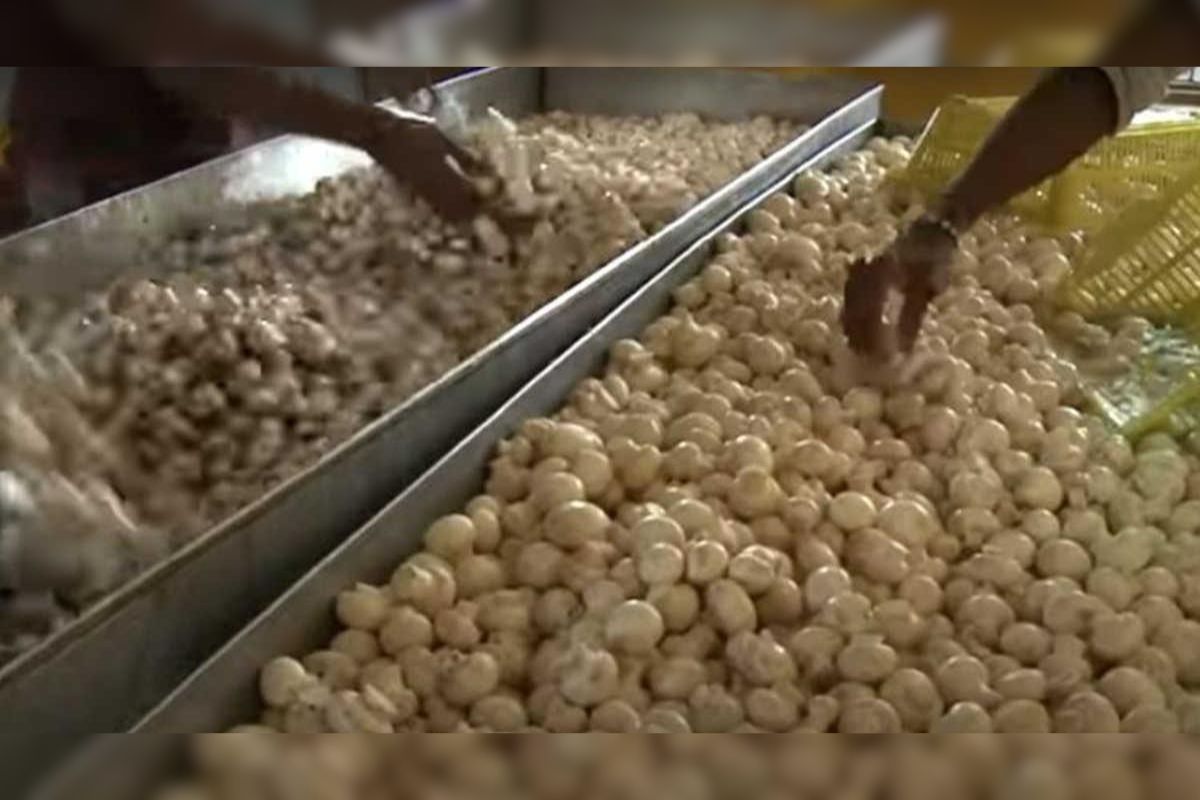
Mushroom cultivation can give farmers another source of income without requiring large farmland. Oyster mushrooms, in particular, can be grown in rooms, sheds or other small spaces using materials such as paddy straw. ICAR has promoted the practice among small and marginal farmers as an additional income activity.
The business needs more than mushroom bags and spawn. Farmers have to control temperature, humidity, cleanliness and ventilation while finding buyers before harvesting starts. A small unit can begin with limited production, allowing farmers to learn the process and market before expanding.
Which mushroom should farmers grow?
Oyster mushroom is among the more accessible options for small producers. ICAR-CIWA lists oyster mushroom cultivation at temperatures of about 20–30°C with 80–85% humidity. The exact growing period depends on the variety and local conditions, so farmers should select strains suited to their climate.
Paddy straw mushroom is another option in warmer regions. ICAR-CIWA lists temperatures of 25–38°C and humidity of 85–90% for its cultivation. Farmers should not choose a mushroom only because its market price looks attractive. The growing environment must suit the species and available facilities.
ICAR research is also expanding options for different regions. In January 2026, ICAR reported successful cultivation of king oyster mushroom under controlled conditions in Arunachal Pradesh. The mushroom was grown on paddy straw and required 20–23°C during vegetative growth and 15–18°C during fruiting.
A basic oyster mushroom unit needs good-quality spawn, suitable substrate, polythene bags, clean water, a sprayer and a thermometer. ICAR-CIWA lists straw, spawn, boiled wheat and polythene among the inputs for oyster mushroom beds. Cleanliness is important because contamination can reduce production.
Farmers can use agricultural residues as the growing substrate, depending on the mushroom species and recommended method. Paddy straw is commonly used for oyster mushrooms. This can create another use for material already available on farms while reducing the amount of residue that needs separate disposal.
The cultivation room should protect bags from extreme temperatures, direct sunlight, pests and contamination. Farmers also need sufficient humidity and ventilation. ICAR training programmes stress the importance of environmental management, hygiene and contamination control for successful mushroom production.
How much space is needed?
Mushroom farming can fit into spaces that cannot support conventional field crops. An ICAR training programme in Ranchi noted that farmers targeting about ₹12,000 monthly net income could consider around 500 oyster mushroom bags in staggered batches, using approximately 150–200 square feet of suitable cultivation space.
That figure should not be treated as a guaranteed income. Actual returns depend on production, contamination, spawn quality, selling price, labour, electricity, packaging and market access. Farmers should calculate their own costs before deciding how many bags they can manage.
A staggered production system can also spread harvesting across different days. This may help farmers avoid having the entire crop ready at once. Regular production can make it easier to supply local shops, restaurants and households that need fresh mushrooms.
ICAR documented an oyster mushroom project in Jharkhand where 57 farmers produced 3,081 kg during 2019 and generated ₹3.97 lakh in total income. Farmers sold mushrooms locally for ₹120–₹150 per kg, with the project reporting an average benefit-cost ratio of 3.8.
Another ICAR case from Dehradun describes an entrepreneur who began with 25 oyster mushroom bags after investing ₹2,000 and earned ₹5,000. She later expanded after receiving training and began using multiple cultivation structures and different mushroom types according to seasonal conditions.
These examples show what farmers have achieved under specific conditions, not what every new unit will earn. Prices vary by location and season. Farmers should first identify local buyers and calculate expected selling prices before treating mushroom cultivation as a business.
Where can farmers sell mushrooms?
Fresh mushrooms are perishable, so market planning should begin before production. Farmers can sell directly to households, local retailers, hotels, restaurants, institutions or traders. ICAR training programmes specifically highlight local markets, retailers, hotels, restaurants and direct consumers as possible market links.
Farmers can also explore value addition where local demand supports it. Mushroom products can include pickles, snacks and other processed foods. An ICAR case from Bihar describes a farmer group producing mushroom-based products such as pickle, namkeen, sev, laddoos and mathri alongside fresh mushrooms.
Packaging also matters because mushrooms can lose quality after harvest. Farmers should plan clean packaging, quick transport and suitable storage before increasing production. A large crop without a reliable market can lead to wastage and lower returns.
Contamination is one of the main production risks. Poor-quality spawn, dirty equipment, unsuitable moisture, incorrect temperature and inadequate hygiene can reduce yields. ICAR identifies spawn quality, humidity, temperature, cleanliness, moisture and pests among factors that can affect mushroom production.
Farmers also face input and marketing risks. An ICAR programme in Kerala identified limited technical knowledge, difficulty obtaining quality spawn, capital constraints, labour shortages, perishability and transportation costs as barriers for mushroom entrepreneurs.
Where can farmers get training?
Farmers can approach nearby Krishi Vigyan Kendras for training and technical guidance. ICAR institutions and KVKs conduct practical programmes covering substrate preparation, spawning, incubation, crop management, harvesting, hygiene and marketing.
Training can help farmers understand contamination control before they invest in a larger unit. Farmers should also ask about reliable spawn suppliers, suitable varieties and local market conditions during training rather than focusing only on production techniques.
Before starting, farmers should calculate the cost of spawn, substrate, bags, shelves, water, electricity, labour, packaging and transport. They should also estimate how many bags the available room can accommodate while maintaining the required environmental conditions.
The next calculation should be market-based. Farmers should identify likely buyers, expected price per kilogram, harvesting frequency and transport costs. Starting with a small batch can help test both production and sales before committing more money.
Mushroom farming can fit into small spaces and make use of agricultural residues that might otherwise have little value. ICAR examples from different states show that trained farmers have used the enterprise to create additional income.
Also Read: Punarnava Jal – The world’s first organic fertilizer! Know how it is beneficial for farmers?
Contact us – If farmers want to share any valuable information or experiences related to farming, they can connect with us via phone or whatsapp at 9599273766 or you can write to us at “kisanofindia.mail@gmail.com”. Through Kisan of India, we will convey your message to the people, because we believe that if the farmers are advanced then the country is happy.
You can connect with Kisan of India on Facebook, Twitter, and Whatsapp and Subscribe to our YouTube channel.