


Karnataka’s Millet Canteen Programme Is Creating New Markets for Dryland Farmers

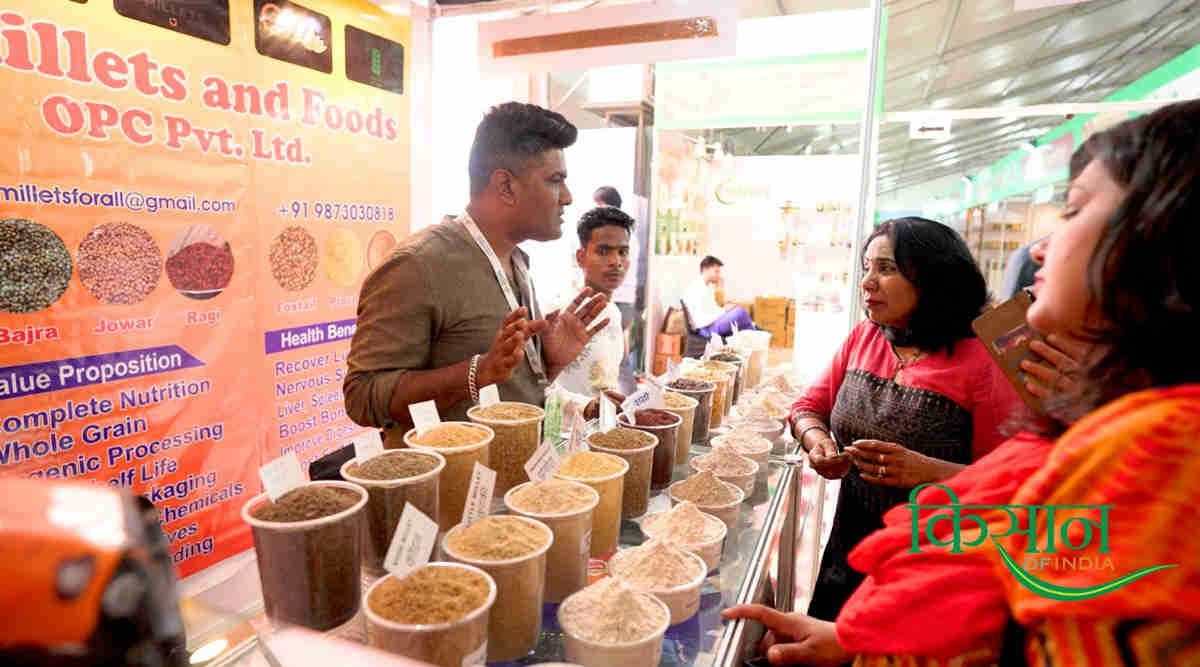
For decades, millets slowly disappeared from daily diets across many parts of India as rice and wheat became dominant through public distribution systems, urban food habits, and agricultural policy support.
Now Karnataka is trying to reverse that shift through a different approach.
Instead of promoting millets only through awareness campaigns, the state has expanded millet-based food canteens and public nutrition programmes aimed at reconnecting consumers with traditional dryland grains.
Agriculture experts say the programme matters because it links food policy directly with climate-resilient farming systems.
Researchers believe future millet revival will succeed only if stable consumer demand exists alongside production support.
Large parts of Karnataka depend on rainfed agriculture where farmers traditionally cultivated crops such as:
ragi,
jowar,
foxtail millet,
little millet,
and bajra.
These grains survived well under low rainfall conditions and poor soils. Yet cultivation declined over time because rice and wheat received stronger procurement support and market visibility.
Agriculture experts say many farmers shifted away from millets not because the crops failed agriculturally, but because markets weakened economically.
The millet canteen model attempts to solve that problem by creating consistent urban demand.
Millet Foods Are Being Reintroduced to Cities
The canteens serve dishes made from traditional grains including:
ragi mudde,
millet dosa,
millet idli,
upma,
and porridge-based foods.
Researchers say urban consumers increasingly view millets as healthy alternatives linked with:
high fibre,
low water use,
and traditional diets.
Agriculture experts believe public food programmes can influence eating habits much faster than awareness campaigns alone because people directly experience millet-based meals in affordable settings.
Some schools and nutrition schemes in Karnataka also increased millet inclusion gradually.
Millets returned to national discussion largely because of climate pressure.
Researchers say these crops require:
less water,
lower chemical input,
and stronger heat tolerance
compared to paddy cultivation in many regions.
As heatwaves and groundwater depletion intensify, agriculture experts increasingly describe millets as climate-resilient grains suited for dryland farming systems.
Karnataka’s programme gained wider visibility after India promoted millets internationally during the International Year of Millets campaign.
One challenge in millet expansion remains processing and food preparation.
Unlike polished rice, some traditional millets require cleaning, dehusking, and grinding systems that weakened after consumption declined over decades.
Women’s self-help groups and local processing centres now play a major role in rebuilding millet food supply chains across several districts.
Researchers say local processing infrastructure matters because farmers cannot expand millet cultivation if procurement and food systems remain weak.
Younger Consumers Are Rediscovering Traditional Foods
Urban food habits are also shifting gradually.
Health-focused consumers increasingly purchase:
millet snacks,
breakfast cereals,
traditional flour,
and ready-to-cook products.
Restaurants and startups across Bengaluru and other cities now market millet-based foods as part of regional and sustainable eating trends.
Agriculture experts say changing urban demand is helping revive crops once associated mainly with poorer rural communities.
Despite growing visibility, millet expansion still faces several barriers. Farmers often report: lower procurement security compared to rice, weak storage systems, limited processing units, and inconsistent urban demand. Researchers warn that millet revival cannot depend only on short-term campaigns. Long-term success requires: stable procurement, food industry support, consumer acceptance, and farmer profitability.
Karnataka Is Testing a Different Food Future
The millet canteen programme reflects a larger question facing Indian agriculture.
Can future food systems support crops that use less water and survive climate stress more effectively?
For decades, national agriculture focused heavily on maximizing rice and wheat production.
Karnataka’s millet push suggests another possibility — one where traditional dryland grains return not as forgotten village foods, but as central parts of future urban diets and climate-resilient farming economies.
Also Read: Punarnava Jal – The world’s first organic fertilizer! Know how it is beneficial for farmers?
Contact us – If farmers want to share any valuable information or experiences related to farming, they can connect with us via phone or whatsapp at 9599273766 or you can write to us at “kisanofindia.mail@gmail.com”. Through Kisan of India, we will convey your message to the people, because we believe that if the farmers are advanced then the country is happy.
You can connect with Kisan of India on Facebook, Twitter, and Whatsapp and Subscribe to our YouTube channel.