


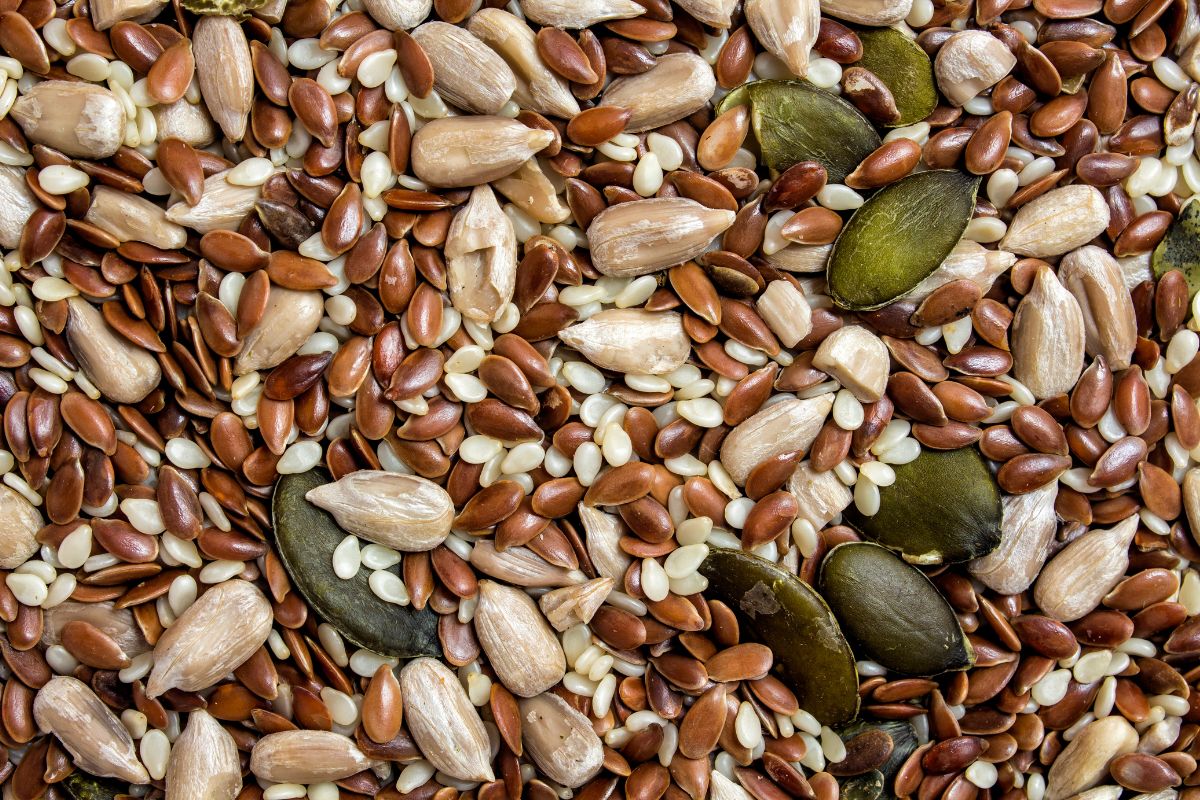
Farmers can lose an entire season when poor-quality seeds fail to germinate or produce the expected crop. The Centre is now seeking farmers’ views on a proposed new Seed Act that aims to tighten rules for seed companies and sellers and improve traceability across the seed supply chain.
The proposed law would replace the Seeds Act, 1966 and Seeds (Control) Order, 1983. The government says the new framework will address fake, adulterated and substandard seeds while protecting farmers’ rights over traditional and farm-saved seeds.
Why Is the Government Changing the Seed Rules?
The existing seed law dates back to 1966. Agriculture has changed considerably since then, with new seed varieties, digital records, private seed companies and larger supply chains. The government says the proposed law is intended to bring seed regulation in line with current agricultural needs.
The draft Seeds Bill, 2025 was placed in the public domain for consultation in November last year. The government invited farmers, seed experts, companies and other stakeholders to submit their views. More than 14,000 suggestions, comments and observations were later received and examined.
The latest consultation comes as the government prepares to finalise the proposed legislation. Agriculture Minister Shivraj Singh Chouhan is scheduled to meet farmer organisations on September 10 to hear their experiences and suggestions before the government moves ahead with the proposed law.
For farmers, the consultation matters because seed quality problems are usually felt at the field level. A farmer may spend money on seed, fertiliser, labour and irrigation before discovering that the seed has poor germination or does not perform as expected.
What Could Change for Seed Sellers?
The proposed framework includes compulsory registration of seed varieties sold in the market. Seed producers, processing units and dealers would also have to meet registration requirements. This is intended to make it easier for authorities to identify who produced and sold particular seed lots.
The draft also proposes mandatory digital traceability through the SATHI platform. The system can create records across the seed supply chain, making it easier to trace seed from production and processing to sale. This could help authorities investigate complaints when farmers report poor-quality or fake seeds.
The government has also proposed stronger penalties for serious violations. Agriculture Minister Shivraj Singh Chouhan said earlier this year that penalties could go up to ₹30 lakh for certain offences involving substandard seeds. The proposed framework also includes stringent action against those involved in selling fake or adulterated seeds.
This could change the risk for sellers who knowingly supply poor-quality seeds. At present, farmers often face difficulties identifying where a defective seed lot came from or establishing responsibility after crop failure. Better records could make accountability easier if the system works as intended.
What Happens to Farmers’ Traditional Seeds?
The proposed law is not intended to stop farmers from saving and using their own seeds. The government has said the provisions of the draft Bill do not apply to farmers and farmer varieties, including traditional varieties.
Farmers would retain rights to grow, sow, save, exchange and sell farm-saved seeds under the existing framework protecting farmers’ rights. The government has also said traditional and indigenous seed varieties would remain protected under the proposed system.
This distinction is important for farmers who maintain local varieties. A stronger commercial seed regulation system should not prevent communities from conserving and exchanging traditional planting material. The draft therefore attempts to regulate seeds sold in the market while retaining protections for farmers and their own seed practices.
Farmers should still follow the final rules once the legislation is passed. The proposed law is not yet the final legal framework. The government is currently consulting stakeholders, and provisions could change before Parliament considers the legislation.
Farmers should continue checking the seed packet before purchasing. Look for the variety name, lot number, packing details, validity information, germination details and other required information. Buying from an authorised seller and keeping the bill can also help if a problem develops later.
Farmers should not choose seed only because a dealer promises higher yields. The right variety depends on local soil, rainfall, irrigation, crop duration, pest pressure and the purpose of cultivation. A variety that performs well in one district may not give the same results in another location.
If a crop fails because of suspected poor-quality seed, farmers should keep the seed packet, purchase bill and other records. Photographs of the crop and details of sowing, irrigation and farm inputs can also help document the problem when approaching agriculture officials or other authorities.
What Could the New Law Mean for Farmers?
The proposed Seed Act could make the seed market more accountable by requiring greater registration, traceability and quality control. It could also give authorities stronger tools to act against companies and traders involved in fake or substandard seed sales.
For farmers, the biggest benefit would be knowing where a seed lot came from and who was responsible for selling it. If digital records work properly, complaints could be traced through the supply chain instead of leaving farmers to deal with crop losses on their own.
The proposed law is still being discussed. The September 10 consultation gives farmer organisations an opportunity to raise problems they face while buying seeds and suggest changes before the legislation moves forward.
For now, farmers should continue buying seeds from reliable sources, checking packet details and keeping purchase records. A new law can strengthen protection, but careful seed selection and proper documentation remain important before every sowing season.
Also Read: Punarnava Jal – The world’s first organic fertilizer! Know how it is beneficial for farmers?
Contact us – If farmers want to share any valuable information or experiences related to farming, they can connect with us via phone or whatsapp at 9599273766 or you can write to us at “kisanofindia.mail@gmail.com”. Through Kisan of India, we will convey your message to the people, because we believe that if the farmers are advanced then the country is happy.
You can connect with Kisan of India on Facebook, Twitter, and Whatsapp and Subscribe to our YouTube channel.