



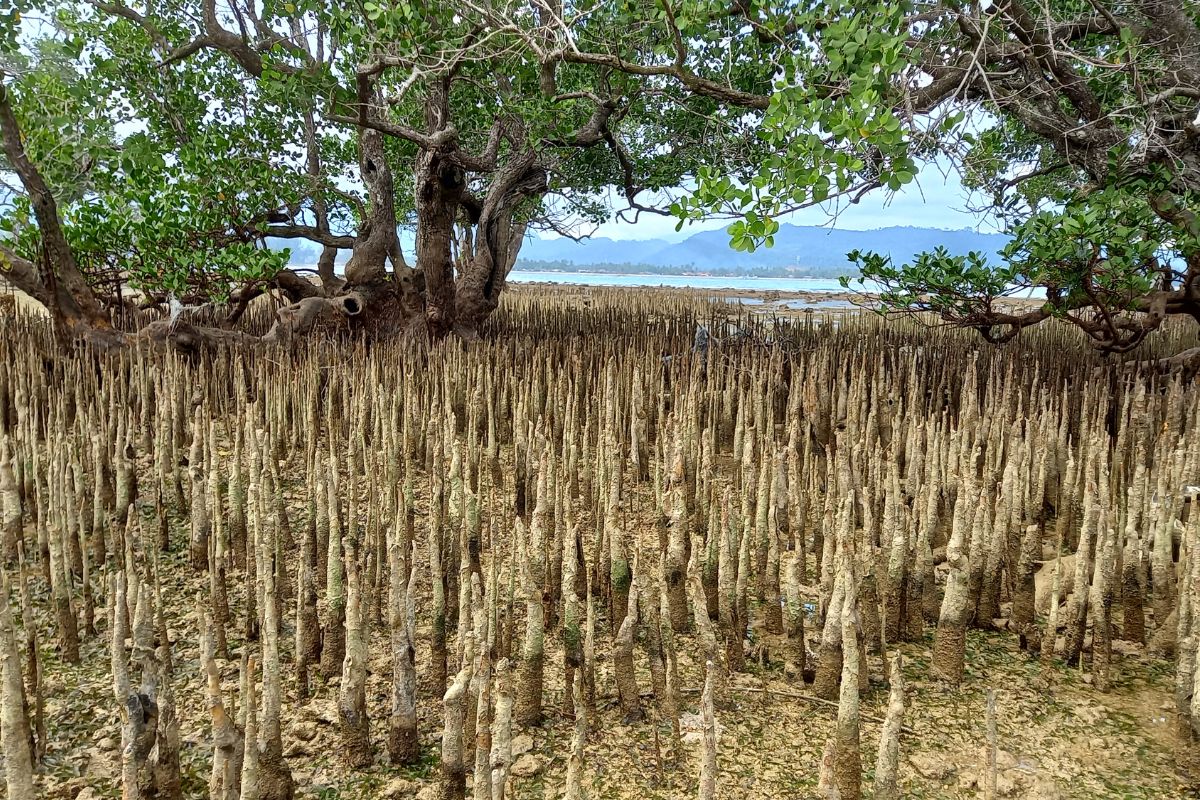
In Kerala’s Kannur district, where mangroves stretch along tidal backwaters and coastal wetlands, a small beekeeping experiment slowly turned into an international honey business.
Aneesh Kumar, who grew up near the coastal ecosystem, noticed something unusual while working with local beekeepers. Honey collected from mangrove forests carried a different texture, darker colour, and stronger mineral-rich taste compared to ordinary floral honey sold in markets.
At first, the product remained local.
Today, the honey reaches buyers outside India.
Agriculture experts say the story reflects a larger shift happening in rural entrepreneurship where farmers and small producers are building businesses around ecological identity and niche products instead of bulk agricultural commodities.
Mangroves are usually discussed in terms of coastal protection, biodiversity, and climate resilience. They protect shorelines from erosion, absorb carbon, and support fish breeding ecosystems.
But for local beekeepers, the forests also became a source of high-value honey.
Bees collect nectar from mangrove flowers growing in saline coastal ecosystems, creating honey with a distinct flavour profile. Researchers studying mangrove honey say mineral composition and floral diversity make the product different from regular commercial honey.
Agriculture market experts say niche natural products linked with specific ecosystems increasingly attract premium buyers globally.
The Farmer Focused on Branding Instead of Bulk Sales
Instead of selling raw honey through wholesale traders, Aneesh focused heavily on branding and packaging.
The honey was marketed around:
- Coastal ecology
- Mangrove conservation
- Traditional beekeeping
- Natural harvesting
- Small-scale production
Agriculture experts say storytelling now matters heavily in premium food markets. Consumers buying specialty honey often want traceability and environmental identity connected with the product itself.
The business later expanded into:
- Glass bottled retail honey
- Medicinal honey products
- Eco-tourism experiences
- Online direct sales
Researchers say many rural businesses now succeed because they combine agriculture with branding and environmental narratives.
The shift toward exports happened gradually.
Initial demand came from organic stores and urban health-food buyers inside India. Later, interest from international specialty food distributors increased as awareness about rare honey varieties expanded globally.
Agriculture business experts say export markets increasingly value:
- Single-origin products
- Indigenous food systems
- Forest-linked products
- Sustainable harvesting methods
Mangrove honey fit naturally into that category.
Today, small batches are supplied to premium buyers in Gulf countries and parts of Europe through niche distribution channels.
The business also depends completely on the survival of mangrove ecosystems themselves.
Researchers warn that coastal erosion, pollution, shrimp farming expansion, and rising sea levels threaten mangrove forests across India’s coastline. Climate change is increasing saline intrusion and extreme weather risks in coastal regions.
Agriculture experts say ecological businesses like mangrove honey reveal how rural livelihoods increasingly depend on environmental conservation itself.
Without healthy mangroves, the honey economy disappears.
This connection pushed some local producers toward conservation efforts alongside commercial expansion.
Young Entrepreneurs Are Returning to Beekeeping
The story reflects another larger change happening in Indian agriculture.
Younger rural entrepreneurs are increasingly exploring:
- Forest honey
- Stingless bee honey
- Wild pollination businesses
- Medicinal honey
- Eco-tourism-linked beekeeping
instead of only traditional farming.
Researchers say beekeeping may become increasingly important because pollination directly supports crop productivity while requiring relatively small land resources.
Some startups now combine AI hive monitoring and digital traceability systems with traditional honey collection practices.
For Aneesh, the venture eventually became more than a commercial product.
Local fishing communities, women’s groups, and small beekeepers became connected with the expanding business network. Training programmes later helped coastal households develop supplementary income through beekeeping near mangrove ecosystems.
Agriculture experts say future rural entrepreneurship may increasingly emerge from hyper-local ecological products rather than mass commodity agriculture alone.
The rise of mangrove honey shows how agriculture and rural business are changing quietly across India.
Farmers and small entrepreneurs are no longer limited to growing crops and selling raw produce. Increasingly, they are building businesses connected with ecology, identity, tourism, exports, and niche food cultures.
In Kerala’s coastal backwaters, one of those businesses now begins with bees flying through mangrove forests.
Also Read: Punarnava Jal – The world’s first organic fertilizer! Know how it is beneficial for farmers?
Contact us – If farmers want to share any valuable information or experiences related to farming, they can connect with us via phone or whatsapp at 9599273766 or you can write to us at “kisanofindia.mail@gmail.com”. Through Kisan of India, we will convey your message to the people, because we believe that if the farmers are advanced then the country is happy.
You can connect with Kisan of India on Facebook, Twitter, and Whatsapp and Subscribe to our YouTube channel.