


From Farm Waste to Income: How a Vermicomposting Enterprise Created a New Rural Business

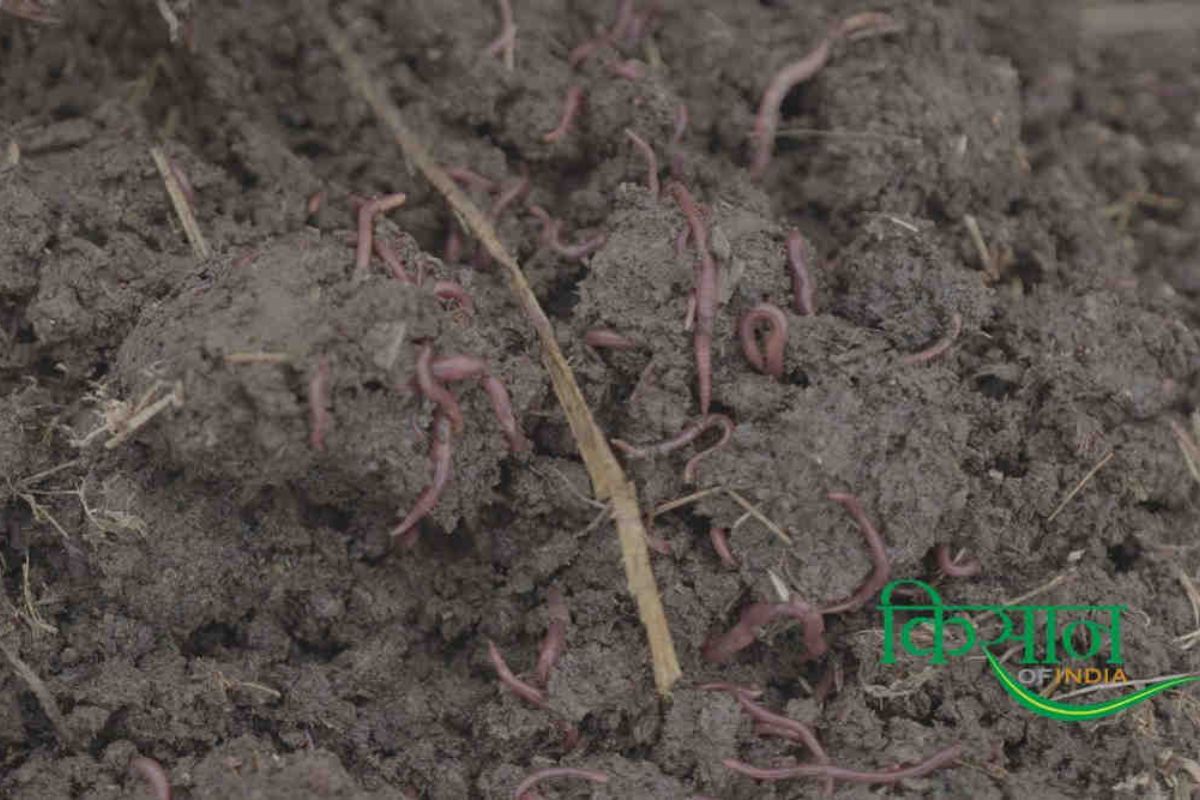
Farm waste is often treated as something that needs to be removed, but it can also become a source of income when properly processed. An ICAR-supported vermicomposting enterprise in Maharashtra shows how organic waste can be converted into manure and sold as a farm input.
The enterprise was developed with support from a Krishi Vigyan Kendra, which provided technical guidance on composting, earthworm management, waste handling and production. The experience shows how a relatively small rural activity can develop into a market-oriented business.
Vermicomposting uses earthworms and microorganisms to convert suitable organic material into a nutrient-rich soil amendment. For farmers, the opportunity lies in using locally available crop residues, animal waste and other biodegradable materials rather than allowing them to accumulate.
How Does Vermicomposting Work?
Vermicomposting is based on controlled decomposition of organic materials with the help of earthworms. Suitable farm residues are placed in a prepared bed or container, where earthworms gradually break down the material.
The final product is a dark, crumbly material that can be used as an organic soil amendment. Its quality depends on the feedstock, moisture, temperature, aeration and maturity of the compost.
Farmers should avoid putting unsuitable materials into the composting unit. Plastics, chemicals, contaminated waste and materials containing harmful substances should not be mixed with organic feedstock.
Earthworms also require suitable conditions. Excessive heat, waterlogging, dryness or poor aeration can affect their activity and reduce production. Farmers should therefore monitor the beds regularly rather than simply adding waste and leaving the unit unattended.
Why Can Vermicompost Become a Business?
The business opportunity comes from converting low-value organic material into a product that farmers and gardeners can purchase. Demand can come from organic farms, nurseries, kitchen gardens, horticulture growers and other users.
A farmer who already has livestock may have access to dung that can become part of the feedstock. Crop residues and other biodegradable materials can also reduce the need to purchase raw material.
But free raw material does not mean the final product costs nothing to produce. Labour, beds, shade structures, water, earthworms, packaging, transport and marketing all create expenses.
Farmers should calculate production costs per kilogram before deciding the selling price. The business becomes stronger when raw materials are locally available and customers are close enough to keep transportation costs manageable.
How Can Farmers Start Small?
A small demonstration unit can be a practical starting point. Farmers can learn the process with a limited quantity of organic material before investing in a larger production structure.
The production area should have shade and protection from excessive rain and direct heat. Water must be available for maintaining suitable moisture, but the beds should not remain waterlogged.
Farmers should also keep batches separate where possible. This helps track production dates and makes it easier to identify problems if a particular batch does not decompose properly.
Packaging can be introduced once local demand is established. Farmers can initially sell in bulk to nearby growers and later develop smaller packages for nurseries, home gardeners or retail customers.
Can KVKs Help?
Krishi Vigyan Kendras can provide technical training and demonstrations for farmers interested in vermicomposting. Their role can be particularly useful for first-time entrepreneurs who need practical information rather than only written instructions.
ICAR has promoted vermicomposting and other organic-resource management practices through KVKs and research institutions. Training can cover earthworm selection, bed preparation, feedstock management, harvesting and storage.
Farmers should ask their local KVK whether training or demonstrations are available before investing in a commercial unit. Learning the process first can prevent losses caused by incorrect moisture, temperature or feedstock management.
Farmer Producer Organisations and self-help groups can also consider collective vermicomposting. Several members can supply organic waste and share production, packaging and marketing costs.
What Makes the Business Profitable?
The most important factor is the local market. Farmers should identify potential buyers before expanding production. Nearby vegetable growers, nurseries, fruit growers and organic farms can become repeat customers.
Quality consistency is equally important. Customers who buy vermicompost regularly need a product that is properly matured, free from contaminants and reasonably consistent in texture and quality.
Farmers should maintain basic production records. They can record the amount of raw material used, labour costs, production volume, packaging expenses and sales. These figures show whether the enterprise is actually profitable.
Selling directly to farmers can improve margins by reducing the number of intermediaries. But direct marketing also requires time for customer communication, packaging and delivery.
Can Farm Waste Become an Income Source?
Vermicomposting can provide a practical way to connect crop production, livestock and input production. Instead of treating dung and crop residues only as waste, farmers can process part of these materials into a product with potential market value.
The model is particularly suitable for farms that already generate organic material. But farmers should not invest simply because vermicompost is considered an organic product. The business needs reliable raw material, suitable production conditions and paying customers.
The safest approach is to begin with a small unit, learn the process and test the local market. Once production quality and demand are established, farmers can gradually increase capacity.
Vermicomposting therefore offers two possible benefits: better management of farm waste and an additional source of rural income. Its success depends less on the size of the unit and more on production quality, cost control and access to a dependable market.
Also Read: Punarnava Jal – The world’s first organic fertilizer! Know how it is beneficial for farmers?
Contact us – If farmers want to share any valuable information or experiences related to farming, they can connect with us via phone or whatsapp at 9599273766 or you can write to us at “kisanofindia.mail@gmail.com”. Through Kisan of India, we will convey your message to the people, because we believe that if the farmers are advanced then the country is happy.
You can connect with Kisan of India on Facebook, Twitter, and Whatsapp and Subscribe to our YouTube channel.