


How a Simple Iron Treatment Helped Double Pig Farming Income in Andaman and Nicobar
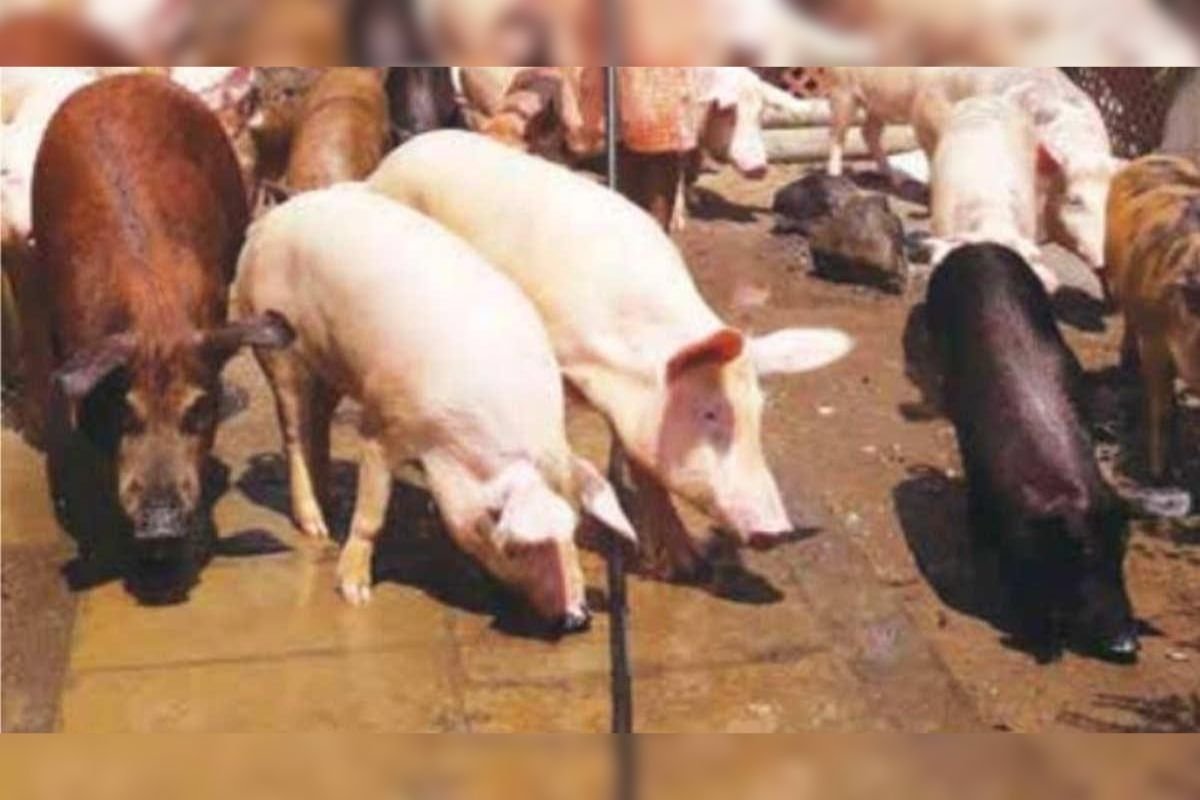
A simple iron supplementation approach has emerged as a promising intervention for pig farmers in the Andaman and Nicobar Islands. The ICAR-Central Island Agricultural Research Institute (CIARI) reported a success story on 7 October 2026, describing an oral iron module associated with improved piglet health and a doubling of farm income.
Piglets can be vulnerable to iron deficiency because they are born with limited iron reserves and sow’s milk alone may not provide enough to meet their needs during rapid growth. Iron deficiency can lead to anaemia, poor growth and weakness, affecting the health of young animals and the returns farmers receive from pig rearing.
The ICAR report highlights the potential of a structured oral iron intervention. It does not mean that every farm will double its income by adopting the same treatment. Results depend on animal health, feeding, housing, disease prevention, treatment costs and the way piglets are managed.
Iron is needed to produce haemoglobin, the protein in red blood cells that carries oxygen around the body. When piglets do not receive enough iron, they can develop iron-deficiency anaemia. Signs may include pale skin, weakness, poor growth and reduced activity, although these symptoms can also occur with other health problems.
Piglets raised in intensive systems can be particularly vulnerable because they have limited opportunities to obtain iron from soil. Farmers should not wait for severe symptoms before discussing preventive care with a veterinarian. A suitable supplementation plan can help address risk during the early stages of life.
The form, dose and timing of iron supplementation matter. Farmers should follow veterinary advice and the product label rather than estimating doses themselves. Excessive or incorrectly administered supplements can cause harm, and an animal showing signs of illness may need examination instead of treatment based on symptoms alone.
What Farmers Can Learn From the ICAR Approach
1. Pay Attention to Piglets Early
Farmers should monitor newborn piglets for weakness, poor feeding, slow growth and unusual paleness. They should keep records of births, treatments and weight gain so that problems can be identified early. Prompt veterinary guidance is important when several piglets show similar symptoms.
2. Follow a Planned Supplementation Schedule
Pig farmers should ask a veterinarian to recommend an iron supplementation method suited to the piglets’ age, weight and management system. The plan may differ according to local conditions and the product available. Accurate records help ensure that animals receive the intended treatment without accidental repeat dosing.
3. Maintain Clean, Dry Housing
Good housing supports piglet health alongside nutrition. Pens should be kept clean and dry, with suitable shelter and enough space for animals. Farmers should also reduce avoidable stress, provide access to clean water where appropriate and seek veterinary help when signs of infection or other illness appear.
4. Track Growth and Treatment Costs
Farmers can weigh piglets at regular intervals and record feed use, veterinary expenses, mortality and sale prices. These records help determine whether a health intervention is improving farm performance. Income should be calculated after expenses, rather than judging success from the number of surviving piglets alone.
Why Better Piglet Health Can Affect Farm Income
Piglet survival and growth influence the number and quality of animals a farmer can raise for sale or retain for breeding. When fewer young animals become ill or die, farmers may avoid some losses and make better use of feed and housing. The actual financial benefit varies between farms.
A treatment can also add costs for supplements, veterinary visits and labour. Farmers should compare these expenses with changes in survival, growth and sale value. The ICAR report provides a reason to examine the approach, but farmers need locally relevant guidance before assuming that the same financial outcome will follow.
Pig farmers should also avoid treating iron supplementation as a substitute for balanced nutrition, vaccination where advised, parasite control, hygiene and appropriate breeding management. A sound health plan considers the entire production system, not just one nutrient or treatment.
How Farmers Can Seek Support
Small-scale pig farmers can contact their nearest veterinary hospital, animal husbandry department or Krishi Vigyan Kendra for advice on piglet nutrition and preventive health care. Farmers in the Andaman and Nicobar Islands can also seek guidance from ICAR-CIARI, which conducts research relevant to the region’s island farming conditions.
Before adopting a treatment module, farmers should ask which animals need it, the recommended dose and timing, expected costs, possible risks and the records they should maintain. They should also confirm whether the protocol has been evaluated for their particular breed and management system.
The reported ICAR-CIARI experience shows why early piglet care deserves attention in small livestock enterprises. Iron supplementation may help address a specific nutritional risk, but improved income depends on sound management across the farm. Veterinary guidance and careful record-keeping can help farmers judge whether an intervention works for them.
Also Read: Punarnava Jal – The world’s first organic fertilizer! Know how it is beneficial for farmers?
Contact us – If farmers want to share any valuable information or experiences related to farming, they can connect with us via phone or whatsapp at 9599273766 or you can write to us at “kisanofindia.mail@gmail.com”. Through Kisan of India, we will convey your message to the people, because we believe that if the farmers are advanced then the country is happy.
You can connect with Kisan of India on Facebook, Twitter, and Whatsapp and Subscribe to our YouTube channel.