


Agriculture and Farming Technology Updates

How Farm Women in Odisha Boosted Income and Nutrition Through Targeted Models

An average increase by 133 percent in source of income and strengthen the Agri-Entrepreneurial approach.

0

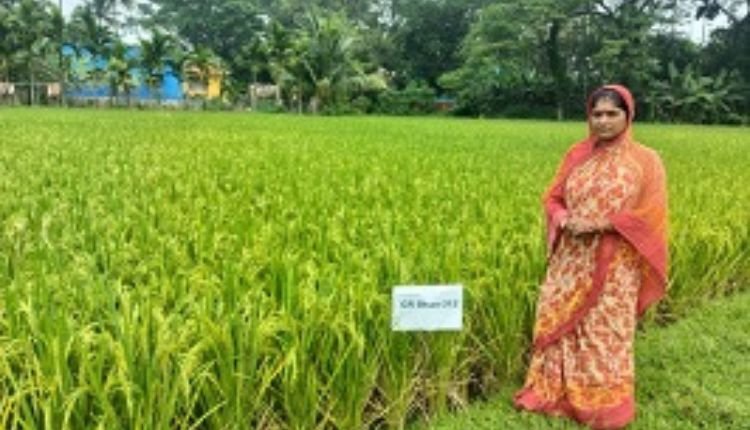
A field study supported by the Indian Council of Agricultural Research under its National Agricultural Science Fund project has shown clear gains in income and nutrition among farm women in Odisha. The study covered 40 women farmers from Sankilo and Tebtalpur villages in Cuttack district, near Bhubaneswar.

Researchers used the SHEET framework, which looks at social, health, environmental, economic, and technological factors. In the first year, they identified key gender gaps. These included access to resources, income opportunities, nutrition awareness, and workload. Based on these gaps, they designed targeted interventions for different groups of women farmers.

Three Models Designed for Different Farmer Groups

The project created three separate models based on income levels and needs.

The livelihood enhancement model focused on small and marginal women farmers. It aimed to improve farm productivity and income through better crop practices and input use.

The nutritional security model targeted medium-income households. It focused on improving diet diversity by promoting nutri-rich crops and awareness about balanced food intake.

The entrepreneurship promotion model was designed for larger farmers. It linked them with institutions, industries, and markets to create income through value-added activities.

Vegetable Farming Drives Sharp Income Growth

Under the livelihood model, vegetable cultivation delivered strong results. The average gross return increased from Rs 1.16 lakh to Rs 3.15 lakh per year. Net return rose from about Rs 50,000 to nearly Rs 1.9 lakh annually.

Farmers recorded a yield increase between 45 percent and 69 percent. Income gains ranged from 155 percent to over 200 percent.

Fruit crops also showed gains. Yield improved by around 48 percent, while income increased between 70 percent and 119 percent.

These changes came from better seed selection, improved crop management, and timely use of inputs.

The nutritional model introduced nutri-gardens and promoted the use of fruits and vegetables rich in vitamins and minerals. Women reported higher awareness of nutrition and started including more diverse foods in daily meals.

High-protein rice varieties played a key role. Varieties like CR Dhan 311 and CR Dhan 315 added extra protein to family diets. They also helped meet zinc requirements, which are often low in rural households.

Improved Rice Varieties Raise Yield and Profit

Rice production under the project showed strong results. The variety CR Dhan 312 recorded an average yield of 6.68 tonnes per hectare.

  • Net return reached about Rs 1.13 lakh per hectare
  • Gross return stood at Rs 1.26 lakh per hectare
  • Yield advantage crossed 64 percent
  • Net income increased by over 145 percent

This shows how improved seed varieties can directly raise farm income.

Pulses and Protein: Black Gram Adds Value

Black gram cultivation also contributed to income and nutrition.

  • Yield increased by over 63 percent
  • Average yield reached 1.28 tonnes per hectare
  • Farm income rose by nearly 85 percent
  • Benefit-cost ratio improved from 1.68 to 2.42

The crop also helped meet protein needs, which is important for women’s health.

Mushroom Farming Creates New Income Source

The entrepreneurship model introduced paddy straw mushroom cultivation. This created a new income stream for women farmers.

  • Total production reached 971 kg
  • Total income crossed Rs 1.74 lakh
  • Around Rs 1.57 lakh came from market sales
  • Net return averaged Rs 26,040 per 100 beds

Yield increased by about 55 percent, while the benefit-cost ratio doubled from 2.06 to 4.21.

The project also introduced women-friendly farm tools. These tools reduced physical strain and improved work output. Tasks like grinding and processing became easier and faster.

This step addressed an often ignored issue. Women spend long hours in manual farm work. Reducing this burden improves both health and productivity.

Collective Action Strengthens Market Linkages

To support long-term growth, a women-led farmer producer company named Ananya Farmer Producer Company Limited was formed.

This platform helps women:

  • Access markets directly
  • Sell produce at better prices
  • Explore value-added products
  • Work as a collective group

Such structures improve bargaining power and reduce dependence on local traders.

After the interventions, average income sources increased by 133 percent. Women not only earned more but also gained confidence in decision-making.

The project shows a clear pattern. When you combine better farming practices, nutrition awareness, and market linkages, results improve across all areas.

The question now is simple.

Can these models be scaled to more villages so that more women farmers see the same gains?

Also Read: Punarnava Jal – The world’s first organic fertilizer! Know how it is beneficial for farmers?

Contact us – If farmers want to share any valuable information or experiences related to farming, they can connect with us via phone or whatsapp at 9599273766 or you can write to us at “[email protected]”. Through Kisan of India, we will convey your message to the people, because we believe that if the farmers are advanced then the country is happy.

You can connect with Kisan of India on FacebookTwitter, and Whatsapp and Subscribe to our YouTube channel.

Leave a comment