


Animal Husbandry Schemes Stalled: Farmers Face Trouble as Subsidies Stop

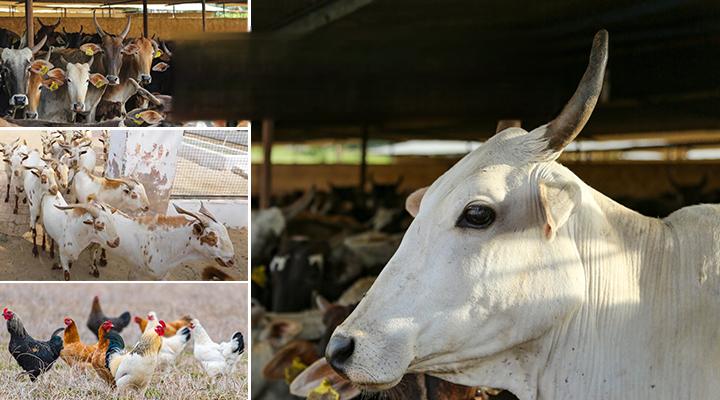
Farmers in Satara district are facing serious problems as important schemes from the Animal Husbandry Department have stopped working for the past few months. These schemes helped farmers earn extra income alongside their regular farming activities and provided them with new employment opportunities in rural areas.
The lack of subsidies from central and state governments has brought key programs like goat farming and poultry procurement to a complete standstill. This situation has created major difficulties for farmers who depend on livestock rearing for their livelihood. The halt in schemes that boost the rural economy has put many farming families in trouble.
Thousands of farmers in Satara district apply for these schemes every year. These programs were very useful in increasing agricultural business and helping farmers become financially stable. However, the department now only has piles of pending applications with no funds to process them.
What Are Animal Husbandry Schemes?
Animal Husbandry schemes are government programs designed to help farmers start and grow livestock businesses. These schemes provide financial help to farmers who want to rear animals like cows, buffaloes, goats, chickens, and other livestock alongside their regular crop farming.
The Department of Animal Husbandry and Dairying runs these programs at both central and state levels. The main goal is to create additional income sources for farmers, especially in rural areas where crop farming alone may not provide enough earnings.
These schemes work as a sideline business for farmers. While they grow crops in one season, they can earn steady income from milk, eggs, meat, and other animal products throughout the year. This helps farmers maintain cash flow even during off-seasons when crop income stops.
The government provides financial assistance in the form of subsidies to reduce the initial investment burden on farmers. This makes it easier for small and marginal farmers to start livestock businesses without taking large loans.
Major Animal Husbandry Schemes in India
The government runs several important schemes to support farmers in the livestock sector:
| Scheme Name | Purpose | Subsidy Amount | Benefits |
|---|---|---|---|
| National Livestock Mission (NLM) | Develop sheep, goat, pig, poultry farming | 50% subsidy up to ₹50 lakh | Breed improvement, infrastructure support, training |
| Animal Husbandry Infrastructure Development Fund (AHIDF) | Build dairy and meat processing units | 3% interest subsidy for 8 years | Loans up to 90%, collateral-free up to ₹2 crore |
| Rashtriya Gokul Mission | Improve cattle and buffalo breeds | Varies by component | Better quality indigenous breeds, increased milk production |
| Goat Development Scheme | Promote goat farming | ₹10-50 lakh subsidy | Purchase quality goats, build sheds, fodder management |
| Poultry Development Scheme | Support poultry farming | Up to ₹25 lakh subsidy | Layer farms, broiler farms, hatcheries |
| Dairy Development Programs | Strengthen dairy sector | 50% subsidy on equipment | Milk processing, cooperative support |
| Kisan Credit Card for Animal Husbandry | Working capital for livestock | Credit facility | Easy loans for feed, medicines, maintenance |
These schemes cover different aspects of animal husbandry from purchasing animals to building infrastructure and getting working capital for daily operations.
Why Animal Husbandry Schemes Are Important
Animal husbandry plays a crucial role in India’s rural economy. According to government data, the livestock sector contributes about 4.9% to India’s GDP and supports the livelihood of over 20 million farmers.
For small and marginal farmers who own less land, livestock rearing provides a reliable income source. A farmer with just 2-3 cows or buffaloes can earn ₹10,000-15,000 per month from milk sales alone. Similarly, goat farming and poultry businesses give good returns with relatively low investment.
These schemes help farmers in multiple ways. They reduce the financial burden of starting a livestock business by providing subsidies. They improve animal breeds through quality breeding programs. This create employment opportunities for rural youth who can start their own animal husbandry ventures. These strengthen food security by increasing production of milk, eggs, and meat.
The schemes also promote sustainable farming by encouraging farmers to use animal waste for organic manure production. This reduces chemical fertilizer use and improves soil health.
Current Problems Farmers Face
The stoppage of these schemes has created serious difficulties for farmers in Satara and other districts. Many farmers took bank loans to start their livestock businesses expecting government subsidies. Now without receiving the promised subsidies, they struggle to repay these loans.
The burden of loan repayment has fallen entirely on farmers. Banks continue to demand monthly installments, but farmers have not received the subsidy money that was supposed to help them manage these payments. This puts financial stress on farming families.
Farmers who were planning to expand their existing livestock units have put their plans on hold. New applicants who wanted to start goat farms or poultry units cannot proceed because the application processing has stopped.
The department has thousands of pending applications but lacks funds to approve them. Agriculture officers confirm that they receive daily inquiries from farmers about their applications, but they have no answers to give. This uncertainty creates frustration among farmers who had hopes of improving their income through these schemes.
How to Apply for Animal Husbandry Schemes
When these schemes resume, farmers can apply through the following process:
Online Application Process:
- Visit the National Livestock Mission portal at www.nlm.udyamimitra.in for NLM schemes
- Register with your mobile number – you will receive an OTP for verification
- Log in using the OTP and fill out the application form
- Upload all required documents on the portal
- Submit your application online
- Track your application status from the “Track Status” section on the portal
Offline Application Process:
- Visit your nearest Animal Husbandry Department office or Veterinary Hospital
- Collect the application form for the specific scheme
- Fill in all details carefully
- Attach photocopies of required documents
- Submit the form to the department officer
- Get an acknowledgment receipt with application number
- Follow up with the department for processing status
Required Documents:
Farmers need to prepare these documents for applying:
- Identity proof (Aadhaar card, Voter ID, or Driving License)
- Address proof (Aadhaar card, Ration card, or Electricity bill)
- Bank account details (Passbook copy or cancelled cheque)
- Land documents (if applying for farm-based schemes)
- Caste certificate (if claiming reserved category benefits)
- Income certificate
- Project report detailing the business plan
- Passport-size photographs
- Mobile number for communication
For loan-based schemes like AHIDF, farmers also need to submit:
- Detailed project report with financial projections
- Land ownership or lease documents
- Quotations from suppliers for equipment and animals
- Bank statements for the last 6 months
Application Process After Submission:
After farmers submit applications, the process works like this:
- State Implementing Agency (SIA) reviews the application
- SIA conducts field verification
- Bank or financial institution examines the project
- Bank approves the loan after internal checks
- State Level Executive Committee reviews the application
- Department of Animal Husbandry and Dairying approves the subsidy
- Bank disburses the loan amount
- Government releases subsidy to the farmer’s account
The entire process usually takes 30-60 days when schemes are functioning properly.
Who Can Apply?
The schemes are open to various categories of applicants:
- Individual farmers who want to start livestock businesses
- Farmer Producer Organizations (FPOs)
- Self Help Groups (SHGs)
- Farmer Cooperative Organizations
- Joint Liability Groups (JLGs)
- Private companies and MSMEs
- Section 8 companies working in rural development
- Rural youth interested in entrepreneurship
Both new entrepreneurs and existing livestock farmers can apply. New farmers can get subsidies for starting fresh units, while existing farmers can apply for expansion and modernization of their current operations.
Farmers with owned land, leased land, or even oral lease agreements can apply depending on the specific scheme requirements.
Improvement Steps Needed
To resolve the current crisis and improve the functioning of these schemes, several steps are necessary:
Immediate Fund Allocation: The central and state governments need to immediately release pending subsidy funds. This will help clear the backlog of applications and provide relief to farmers who have already taken loans.
Regular Budget Provision: Governments should ensure regular and adequate budget allocation for these schemes. The Animal Husbandry Department should receive sufficient funds at the start of each financial year to avoid mid-year stoppages.
Faster Processing: The application approval process needs to be streamlined. Using digital platforms and reducing bureaucratic delays can help process applications within 30 days instead of several months.
Better Communication: The department should keep farmers informed about scheme status, fund availability, and application processing timeline. Regular updates through SMS, WhatsApp groups, or announcements can reduce farmer anxiety.
Loan Restructuring: For farmers who took loans expecting subsidies but haven’t received them, banks should provide loan restructuring options. This could include extending the repayment period or providing a moratorium until subsidies are released.
Priority to Pending Cases: When funds become available, the department should first clear all pending applications before accepting new ones. This ensures farmers who have been waiting get their dues first.
State Government Support: If central funds are delayed, state governments should consider providing interim support from state budgets. This can prevent the complete collapse of livestock businesses that farmers have already started.
Alternative Funding Sources: The government should explore additional funding sources like special purpose vehicles, partnership with cooperative banks, or allocation from rural development funds to support these schemes.
Impact on Rural Economy
The stoppage of animal husbandry schemes affects not just individual farmers but the entire rural economy. Livestock businesses create employment for many people including farm workers, fodder suppliers, milk collectors, poultry traders, and veterinary service providers.
When farmers cannot start or expand their livestock units, all these connected livelihoods suffer. Milk collection centers lose business, feed shops see reduced sales, and transport services have less work.
The schemes also helped empower women in rural areas. Many women-led Self Help Groups had started dairy and poultry ventures under these programs. The stoppage particularly impacts these women entrepreneurs who were building financial independence.
Young educated rural youth who wanted to become livestock entrepreneurs instead of migrating to cities for jobs have lost opportunities. The uncertainty about scheme availability discourages new youth from entering the animal husbandry sector.
What Farmers Can Do Now
While waiting for schemes to resume, farmers can take these steps:
Approach Bank for Restructuring: Farmers who have taken loans should immediately approach their banks and explain the situation. Request for loan restructuring or extension of repayment period.
Contact Local Representatives: Farmers should contact their MLAs, MPs, and Zilla Parishad members to put pressure on the government for releasing funds.
Form Farmer Groups: Individual farmers may not have much voice, but farmer groups and associations can collectively raise the issue with authorities and media.
Document Everything: Keep all application receipts, acknowledgments, and correspondence with the department safe. This documentation will be crucial when schemes resume.
Alternative Income: Temporarily focus on maximizing income from existing livestock or crops to manage loan repayments until subsidies come through.
Legal Advice: If banks threaten recovery action despite the subsidy delay, farmers should seek legal advice from agricultural lawyers or farmer welfare organizations.
Media Attention: Bringing media attention to the issue can pressure the government to act faster on releasing funds.
Government’s Responsibility
The government has a clear responsibility to ensure continuous funding for announced schemes. When farmers apply for schemes and take loans based on government promises of subsidies, the government must honor those commitments.
The Department of Animal Husbandry needs to improve its financial planning. If the department knows that thousands of applications come every year, it should ensure adequate budget provision beforehand rather than letting schemes stall mid-year.
The central and state governments should coordinate better on fund release mechanisms. Delays in fund transfer between different levels of government should not burden farmers who have already invested their money and effort.
According to recent information, the Animal Husbandry Infrastructure Development Fund has been allocated ₹29,110.25 crore until 2025-26. This shows the government recognizes the importance of the sector. However, the challenge lies in ensuring these allocated funds actually reach farmers on time.
Looking Forward
Animal husbandry remains a vital sector for India’s agricultural economy and rural development. The government cannot afford to let these schemes remain stalled for long periods.
Farmers in Satara and across India depend on these programs not just for additional income but for their family’s survival. The livestock sector has potential to double farmer incomes as envisioned by the government, but only if schemes function properly and subsidies reach farmers without delays.
The current situation needs urgent attention from both central and state authorities. Quick release of pending subsidies and restoration of normal scheme operations will bring relief to thousands of struggling farmers and revive rural livestock businesses.
Once schemes resume, the government should establish better systems to prevent such stoppages in future. Regular monitoring, adequate budgeting, and faster processing will ensure that animal husbandry schemes continue serving their purpose of strengthening rural livelihoods and boosting agricultural economy.
Contact us: If farmers want to share information or experiences related to farming with us, then they can do this by calling us on the phone number 9599273766 or by writing an email to kisanofindia.mail@gmail.com or by sending your recording. Through Kisan of India, we will convey your message to the people, because we believe that if the farmers are advanced then the country is happy.
You can connect with Kisan of India on Facebook, Twitter, and Whatsapp and Subscribe to our YouTube channel.