


Can Better Feeding and Breeding Make Pig Farming More Profitable?

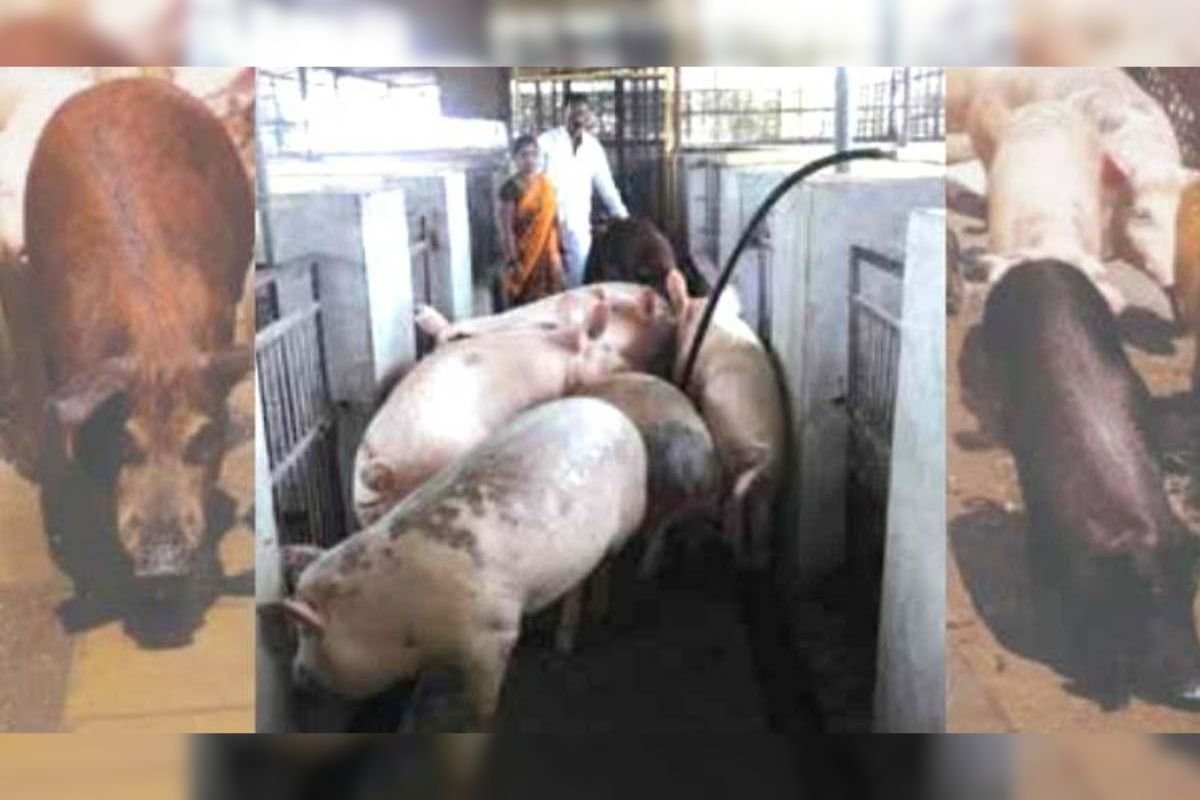
Pig farming can provide a regular source of income for small farmers, but poor feeding, weak breeding practices and high feed costs can reduce profits. A recent ICAR training programme in the Andaman and Nicobar Islands focused on scientific pig rearing and practical ways farmers can improve productivity. The programme covered balanced feeding, reproductive management, piglet care, superior breeding animals and the use of locally available resources.
The three-day training took place from August 18 to 20 at the ICAR-Krishi Vigyan Kendra in Sippighat, South Andaman. Twenty-five participants attended the programme. Scientists discussed the challenges facing pig farmers in the islands and demonstrated several practices that can help farmers manage feeding and animal health while improving the economics of pig farming.
Feed is one of the biggest expenses in pig farming. An animal that does not receive a balanced diet may grow slowly, while excessive spending on unsuitable feed can reduce the farmer’s profit. The ICAR training focused on feeding systems, feeding schedules and the importance of balanced nutrition for pigs at different stages of growth.
Farmers should not assume that every pig needs the same quantity or type of feed. Piglets, growing pigs, pregnant animals and breeding animals have different nutritional requirements. Feed planning should consider the age and purpose of the animal. Farmers can seek advice from livestock experts to prepare feeding schedules that match the animals they are raising.
The training also addressed feed scarcity, which can become a serious challenge in island farming systems and other areas where commercial feed is expensive or difficult to transport. ICAR demonstrated fodder management methods, Azolla cultivation, fodder chaffing and hydroponic systems as options that farmers can examine based on local conditions.
Breeding decisions can affect the entire herd
The quality of breeding animals can influence the performance of future piglets. Farmers who select breeding animals without considering health, growth and reproductive history may face problems later. The ICAR programme discussed reproductive management, breeding strategies and the selection of superior germplasm for pig farming.
Farmers should keep simple records for breeding animals. These records can include mating dates, litter size, piglet survival and any health problems. Over time, such information can help farmers identify animals that perform better and avoid repeated breeding problems.
Unplanned breeding can also create difficulties.
Farmers need to consider whether they have enough housing, feed and market demand before increasing the number of animals. A larger herd does not automatically produce higher income if the cost of feeding and managing the animals rises faster than sales.
The first stage of life can have a major effect on an animal’s future growth. The ICAR training included demonstrations on piglet management, including iron therapy, piglet selection, docking and needle tooth removal. These practices require proper technical knowledge and should be carried out according to veterinary advice.
Farmers should focus on reducing avoidable piglet losses.
Clean housing, proper feeding and regular health monitoring can help farmers identify problems early. Young animals may become weak quickly if they face disease, poor nutrition or unsuitable housing conditions.
A farmer should contact a veterinarian when piglets show signs of illness rather than relying on unverified treatments.
Preventive care is often less costly than managing a serious disease outbreak.
Housing and hygiene also matter
Pig housing should allow farmers to manage animals safely and maintain cleanliness. Overcrowding can increase stress and make disease control more difficult. Wet and dirty conditions can also affect animal health. Farmers should clean housing regularly and provide suitable drainage where required.
They should also separate sick animals when veterinary experts recommend isolation. New animals entering the farm can introduce disease. Farmers should therefore discuss suitable biosecurity practices with local veterinary services before adding pigs to an existing herd.
Scientific pig farming does not depend on one practice. Feeding, breeding, housing and disease prevention need to work together. The South Andaman programme also focused on making better use of locally available resources. This can help farmers reduce dependence on expensive external inputs, but local materials should not be used without checking whether they meet the nutritional and safety needs of pigs.
Azolla and other fodder resources may provide supplementary options in some farming systems.
Farmers should first understand how these resources fit into a balanced feeding plan. Replacing commercial feed entirely without proper nutritional planning can affect animal growth. The aim should be to reduce unnecessary costs while maintaining animal health and productivity.
Pig farming can work with other farm activities
The ICAR programme also discussed linking piggery with Integrated Farming Systems. Farmers may combine livestock with crops and other activities to make better use of farm resources. The right combination will depend on land, water, labour and local markets.
Farmers should avoid adding several enterprises at once without calculating the workload and costs. A smaller, well-managed pig unit can be more practical than a large unit that the farmer cannot feed or manage properly.
Also Read: Punarnava Jal – The world’s first organic fertilizer! Know how it is beneficial for farmers?
Contact us – If farmers want to share any valuable information or experiences related to farming, they can connect with us via phone or whatsapp at 9599273766 or you can write to us at “kisanofindia.mail@gmail.com”. Through Kisan of India, we will convey your message to the people, because we believe that if the farmers are advanced then the country is happy.
You can connect with Kisan of India on Facebook, Twitter, and Whatsapp and Subscribe to our YouTube channel.