



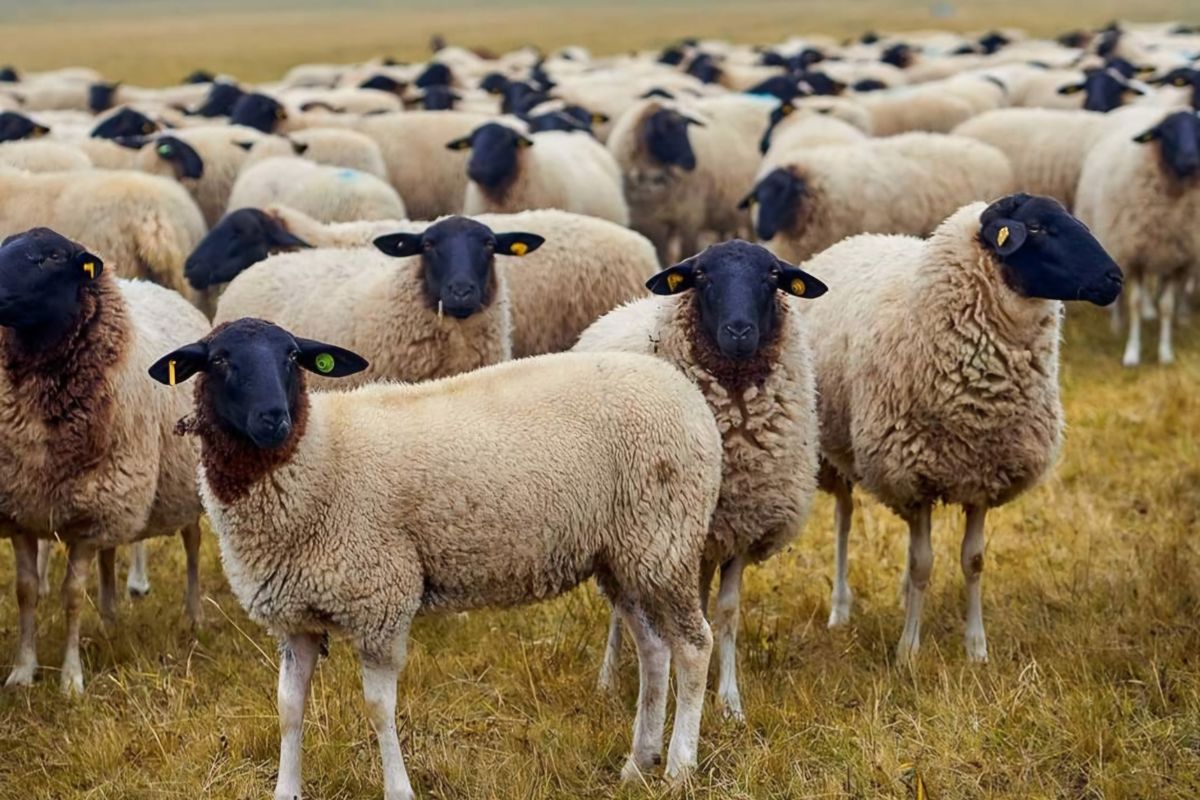
Goat and sheep farming can provide income through the sale of animals, meat, milk and wool. Disease outbreaks can reduce growth, affect reproduction and cause deaths across a flock. Preventive care, including vaccination and regular veterinary checks, helps farmers reduce these risks and protect their investment.
Peste des petits ruminants (PPR), foot-and-mouth disease (FMD), goat pox and enterotoxaemia are among the diseases that farmers should discuss with a veterinarian. PPR is particularly concerning because it can spread rapidly among susceptible sheep and goats. Early reporting of suspected outbreaks helps veterinary authorities respond and limit further transmission.
The Department of Animal Husbandry and Dairying runs the Livestock Health and Disease Control Programme to strengthen vaccination, disease surveillance and veterinary services. Its operational guidelines cover major livestock diseases and preventive measures. Farmers can contact their local veterinary centre to learn which vaccination campaigns are available in their area.
Six Steps to Protect Your Flock
1. Prepare a Vaccination Calendar
Maintain a written record of each animal’s age, previous vaccinations, pregnancy status and health history. Ask a veterinarian to prepare a vaccination calendar based on local disease risks, the animal’s age and the vaccines available. A fixed schedule copied from another region may not suit every flock.
ICAR’s Central Institute for Research on Goats has published a preventive health calendar for goats. Its guidance covers vaccination against diseases such as PPR, FMD, goat pox and enterotoxaemia. Farmers should follow the latest veterinary advice and vaccine label because schedules can differ by disease and product.
2. Ask About PPR Vaccination
PPR can cause fever, discharge from the nose and eyes, mouth lesions, diarrhoea and breathing difficulties. Suspected cases need prompt veterinary attention because these signs can overlap with other diseases. Farmers should avoid moving sick animals between herds and report unusual illness or deaths to local livestock authorities.
India’s livestock health programme includes vaccination against PPR in sheep and goats. The appropriate timing and repeat schedule should be confirmed with the local veterinary officer, especially when a government vaccination drive is underway. Do not assume that an animal is protected simply because it received a vaccine in an earlier season.
3. Follow Guidance for Other Vaccines
Veterinarians may recommend vaccines against FMD, goat pox, sheep pox, enterotoxaemia or other diseases according to local risk. Some vaccines require repeat doses or boosters, while others follow different schedules. Farmers should record the vaccine name, date, batch details and next due date after each vaccination.
Do not combine vaccines or change doses without veterinary advice. The animal’s age, pregnancy, health condition and local outbreak situation can affect the recommended plan. Keep vaccination records available when buying or selling animals, as these records help buyers and veterinarians understand the flock’s preventive health history.
4. Keep Sheds Clean and Dry
Wet bedding, poor ventilation and overcrowding can increase health problems in livestock sheds. Remove soiled bedding regularly, keep drinking water containers clean and provide enough space for animals to rest. Raised, dry platforms can be useful in damp conditions, particularly where wet floors contribute to hoof problems.
Clean feeding and watering areas routinely and dispose of manure safely. When an animal becomes sick, separate it from the healthy flock where practical and seek veterinary advice. Clean equipment and footwear before moving between groups, especially when an infectious disease is suspected.
5. Check Animals Every Day
Observe animals for changes in appetite, movement, breathing, body condition and behaviour. Early attention to symptoms can help prevent a small problem from becoming a serious loss. Pregnant animals, newborn kids and lambs, and animals recovering from illness may need closer monitoring and appropriate nutrition.
Contact a veterinarian if an animal develops fever, persistent diarrhoea, mouth sores, breathing difficulty or sudden weakness. Unexplained deaths or several animals becoming ill within a short period require urgent reporting. Avoid giving antibiotics, dewormers or other medicines without professional advice, as incorrect treatment can delay diagnosis or cause harm.
6. Maintain Records and Plan for Emergencies
A simple notebook can track animal identification, births, purchases, vaccinations, deworming, illness, treatment and deaths. These records help farmers identify recurring health problems and plan future expenses. They are also useful when a veterinarian examines the flock or when farmers seek assistance through organised livestock programmes.
Keep the nearest veterinary centre’s contact details accessible and ask about local vaccination camps before disease risks rise. When purchasing new animals, seek veterinary advice about health checks and separation from the existing flock. Introducing animals without suitable precautions can bring infection into an otherwise healthy herd.
Can Government Veterinary Services Help?
The Livestock Health and Disease Control Programme supports preventive vaccination, disease surveillance and access to veterinary services. Its components include measures to control major livestock diseases and improve veterinary infrastructure. Farmers should ask their district animal husbandry office which services, vaccination campaigns and eligibility conditions apply locally.
Vaccination availability and coverage can vary by location, so farmers should confirm dates and arrangements with the local veterinary team. Keep any vaccination certificate or record provided by the department. Government programmes can help expand access to preventive care, but farmers still need to follow the veterinarian’s instructions and report suspected disease promptly.
Vaccination works best alongside clean housing, proper nutrition, daily observation and timely veterinary care. Goat and sheep farmers should create a flock-specific vaccination calendar, maintain records and avoid unverified treatments. These practical steps can reduce preventable losses and support healthier animals and more reliable farm income.
Also Read: Punarnava Jal – The world’s first organic fertilizer! Know how it is beneficial for farmers?
Contact us – If farmers want to share any valuable information or experiences related to farming, they can connect with us via phone or whatsapp at 9599273766 or you can write to us at “kisanofindia.mail@gmail.com”. Through Kisan of India, we will convey your message to the people, because we believe that if the farmers are advanced then the country is happy.
You can connect with Kisan of India on Facebook, Twitter, and Whatsapp and Subscribe to our YouTube channel.