


Goat Farming: Most Profitable Side Business for Indian Farmers

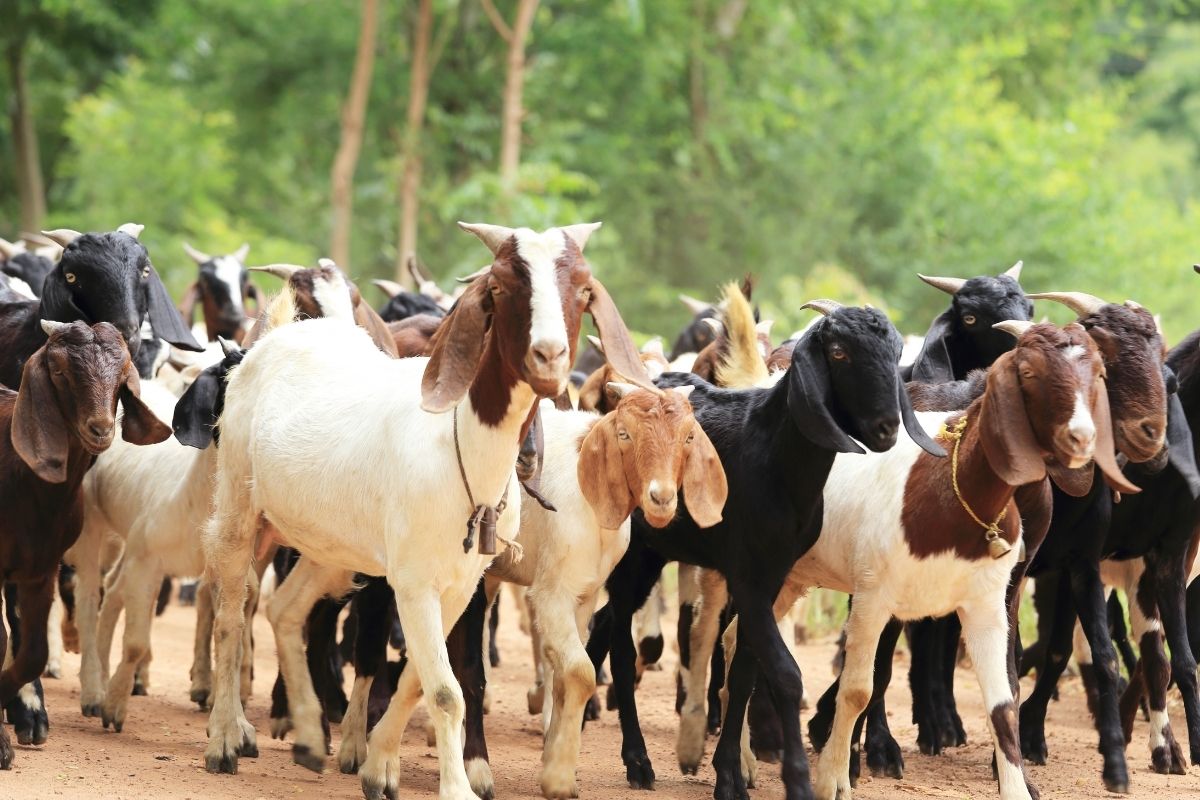
Goat farming is one of the oldest and most reliable sources of income for Indian farmers. Today it is gaining fresh attention because of rising demand for goat meat and milk. Goats are easy to manage, require low investment, and survive on simple feed. Even farmers with small land can start this business. Across India, thousands of rural families are earning steady income through scientific goat farming every year.
Why Goats Are Called the Poor Man’s Cow
Goats are hardy animals that adapt to almost any climate and terrain. They eat grass, leaves, and crop residue that other animals ignore. They fall sick less often than cattle and need smaller housing space. A single goat can give 1 to 2 liters of milk per day, which sells at a premium in local markets. Their meat, known as mutton, is one of the most consumed non-vegetarian foods across India, ensuring constant demand throughout the year.
Choosing the right breed is the first step toward profitable goat farming. The Sirohi breed is popular in Rajasthan and Gujarat for its meat quality. Barbari goats are excellent milk producers, especially in Uttar Pradesh and Haryana. Black Bengal is preferred in West Bengal and Jharkhand for its fast growth rate. Osmanabadi is a tough breed from Maharashtra that survives drought conditions well. Farmers should always choose a breed suited to their local climate and market demand.
Setting Up the Farm
A goat farm does not need expensive infrastructure to get started. A simple shed with good ventilation, clean water access, and dry flooring is enough. Goats need to be protected from rain, cold wind, and direct heat. The shed should have at least 10 to 15 square feet of space per animal. Proper fencing around the grazing area keeps predators away and prevents goats from wandering into crop fields, avoiding damage and conflict.
Goats need a balanced diet of green fodder, dry hay, and a small amount of grain concentrate. Farmers should grow fodder crops like berseem, napier grass, or stylo on spare land to cut feed costs. Vaccination against PPR, Enterotoxaemia, and Foot and Mouth Disease is essential. Deworm animals every 3 months to maintain their health. A healthy goat gains weight quickly and gives better returns at the time of sale, making health management a direct investment.
Income and Profitability
A farmer starting with 10 does and 1 buck can grow the herd to 25 to 30 animals within two years. Each goat sells for Rs. 5,000 to Rs. 15,000 depending on weight and breed. Annual income from a 20-goat farm can easily reach Rs. 1.5 to 2 lakh after deducting all expenses. Adding milk sales and manure income makes the business even more rewarding. Many farmers use goat farming as a steady income buffer during years of poor crop harvest.
The National Livestock Mission provides subsidies for goat farming. NABARD offers loans under the Animal Husbandry Infrastructure Development Fund for setting up modern goat units. State governments like Rajasthan, UP, and MP run their own goat farming subsidy schemes. Farmers can apply through their local bank or Pashu Kisan Credit Card. Getting proper documentation, including a project report, makes loan approval much smoother and faster from government financial institutions.
Also Read: Punarnava Jal – The world’s first organic fertilizer! Know how it is beneficial for farmers?
Contact us – If farmers want to share any valuable information or experiences related to farming, they can connect with us via phone or whatsapp at 9599273766 or you can write to us at “kisanofindia.mail@gmail.com”. Through Kisan of India, we will convey your message to the people, because we believe that if the farmers are advanced then the country is happy.
You can connect with Kisan of India on Facebook, Twitter, and Whatsapp and Subscribe to our YouTube channel.