



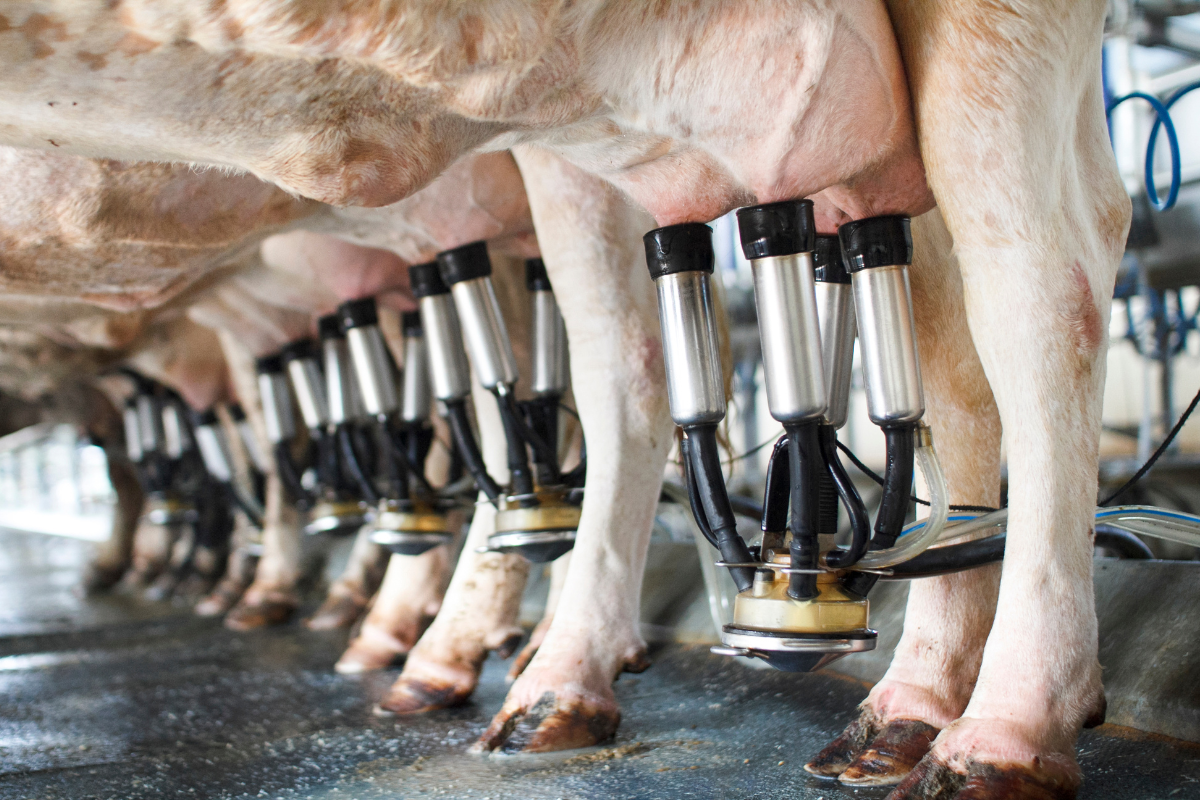
Rising temperatures are becoming a growing concern for dairy farmers. Cows and buffaloes can experience heat stress when high temperatures and humidity make it difficult for their bodies to release heat. This can reduce feed intake, affect milk production and increase pressure on animal health.
India’s dairy sector is already facing pressure from rising temperatures, higher cattle feed prices and increasing production costs. Dairy sector experts have warned that climate conditions can affect animal productivity and increase the financial burden on milk producers.
Animals produce heat inside their bodies through normal biological processes. When outside temperatures and humidity remain high, they may struggle to lose this heat. The animal then begins using more energy to regulate its body temperature instead of supporting normal production.
Common signs can include faster breathing, reduced feed intake, increased water consumption and lower activity. In severe cases, heat stress can affect reproduction and overall health. Farmers should watch animals closely rather than waiting for milk production to fall sharply.
One of the first effects of heat stress can be reduced appetite. Dairy animals may eat less when temperatures remain high because digestion itself produces additional body heat. Lower feed intake can reduce the nutrients available for milk production and maintenance.
A fall in feed intake does not always have the same effect on every animal. The impact can depend on breed, age, production level, humidity and access to cooling. High-producing dairy animals may face greater pressure because they generate more metabolic heat.
Clean water becomes more important during hot weather
Dairy animals need regular access to clean drinking water throughout the day. Water helps animals regulate body temperature and replace fluids lost through increased breathing and sweating. Farmers should check whether enough water is available when temperatures rise.
Water points should also remain clean and easily accessible. If several animals compete for limited drinking space, some may drink less than they need. Farmers should observe their animals during the hottest hours to identify problems early.
Providing shade is one of the simplest ways to reduce direct exposure to solar heat. Trees, covered sheds and suitable roofing can help lower the heat load on dairy animals during the day.
The design of the shed also matters. A poorly ventilated structure can trap heat inside. Farmers should focus on air movement as well as shade. An animal standing in a shaded but poorly ventilated shed may still experience serious discomfort.
Air movement can improve the comfort of dairy animals during hot conditions. Fans can help move air through sheds, especially where natural ventilation is limited. Farmers should ensure that equipment remains safely installed and regularly maintained.
The goal is to reduce heat accumulation around animals.
Air should move across resting and feeding areas.
Farmers should also avoid overcrowding because animals standing close together can increase heat around the group and reduce air circulation.
Cooling methods depend on local conditions
Some dairy farms use sprinklers or misting systems along with fans to cool animals. Water on the animal’s body can help remove heat when combined with sufficient air movement.
Farmers should consider water availability before adopting these systems. Cooling equipment may not suit areas facing water shortages. Poorly managed wet conditions can also create hygiene problems inside sheds.
The most suitable method depends on farm size, climate and available resources.
During hot weather, animals may prefer eating during cooler parts of the day. Farmers can consider adjusting feeding schedules so that more feed is offered during early morning or evening hours.
Feed quality remains important.
Animals eating less may receive fewer nutrients.
Farmers should therefore discuss ration adjustments with livestock experts rather than increasing feed ingredients without understanding the animal’s nutritional needs.
A sudden reduction or change in feed can create additional stress. Farmers should maintain a balanced ration and make changes gradually when required. Poor-quality or spoiled feed can create separate health problems, especially when temperatures and humidity remain high.
Feed should be stored properly.
High moisture and heat can damage stored feed and encourage spoilage. Farmers should regularly inspect fodder and concentrate feed before offering it to animals.
Buffaloes may need special attention
Buffaloes can be especially sensitive to hot conditions because their dark skin absorbs more heat and they have fewer sweat glands than cattle. Access to suitable cooling can therefore become important during periods of high temperature.
Where conditions allow, farmers can provide cooling measures suited to buffalo management. Water availability and hygiene should guide these decisions. Farmers should avoid creating stagnant or dirty water conditions that could increase other health risks.
Heat stress is not limited to milk production. High temperatures can affect reproductive performance, including visible heat signs and conception. Farmers may find it harder to detect reproductive cycles when animals experience prolonged thermal stress. This can delay breeding and affect the next production cycle.
Farmers should keep accurate breeding records and seek veterinary advice when they notice repeated conception problems or major changes in normal reproductive behaviour.
Farmers with limited resources can begin with simple improvements. Providing shade, clean water and better ventilation can reduce some of the pressure caused by hot weather. These steps may not eliminate heat stress during extreme conditions.
But they can improve the animal’s ability to cope with high temperatures. The best approach is to prepare before the hottest period begins.
Regular observation can prevent bigger problems
Farmers should observe animals daily for changes in breathing, feeding and behaviour. A sudden drop in feed intake or milk production may signal heat stress, illness or another management problem. Early action can prevent a small issue from becoming more serious. Farmers should also keep records of milk production and feed consumption. These records can help identify whether productivity changes during periods of high temperature.
Heat stress shows how changing weather can directly affect dairy farming. Rising temperatures can influence animal comfort, feed requirements, water demand and milk production. Farmers may need to include weather preparedness in routine livestock management decisions.
The Department of Animal Husbandry and Dairying continues to publish current programmes and resources related to India’s livestock and dairy sector, while research organisations such as ICAR-NDRI continue work on dairy animal management and technologies.
Also Read: Punarnava Jal – The world’s first organic fertilizer! Know how it is beneficial for farmers?
Contact us – If farmers want to share any valuable information or experiences related to farming, they can connect with us via phone or whatsapp at 9599273766 or you can write to us at “kisanofindia.mail@gmail.com”. Through Kisan of India, we will convey your message to the people, because we believe that if the farmers are advanced then the country is happy.
You can connect with Kisan of India on Facebook, Twitter, and Whatsapp and Subscribe to our YouTube channel.