


Kadaknath Chicken Farming Is Creating Premium Poultry Opportunities in Madhya Pradesh

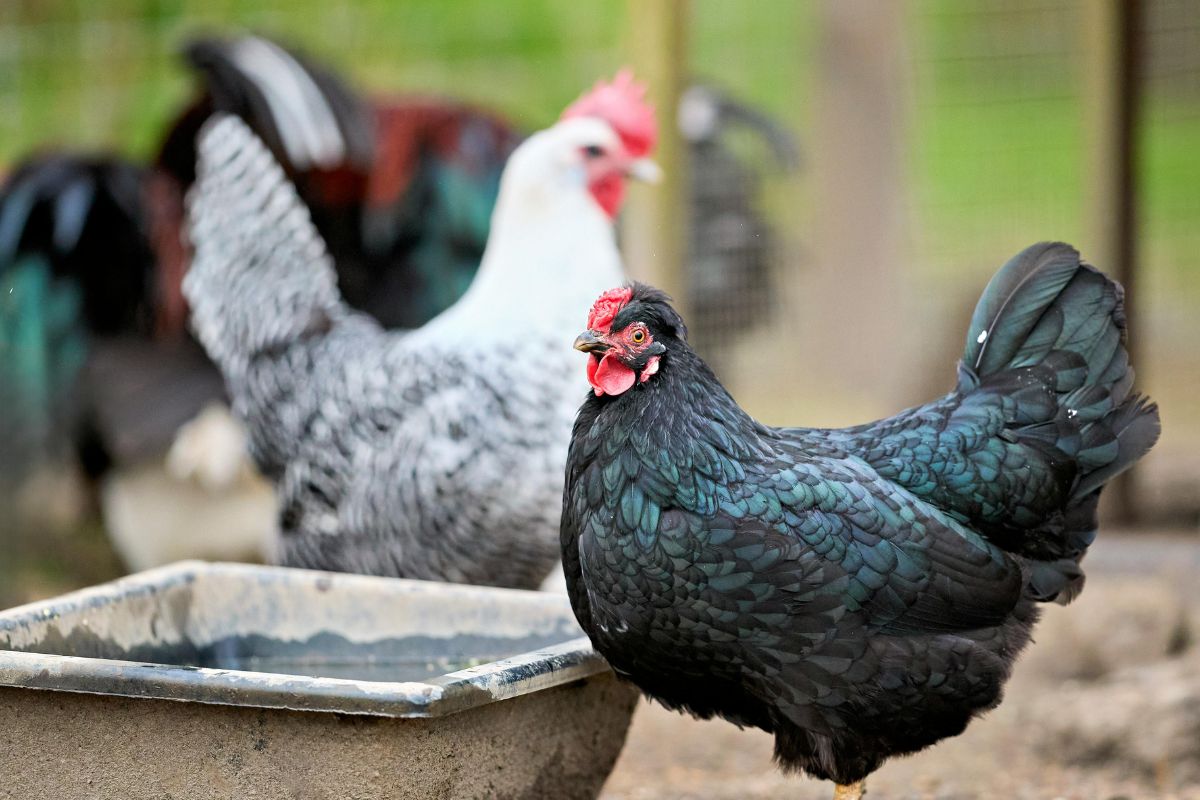
In the tribal-dominated districts of western Madhya Pradesh, a distinctive black-feathered bird is creating new opportunities for rural farmers. Known as Kadaknath, this indigenous chicken breed has moved from village backyards to premium food markets across India, attracting consumers willing to pay several times more than the price of conventional poultry.
The breed originates primarily from the Jhabua and Alirajpur regions, where tribal communities have raised Kadaknath chickens for generations. For decades, the birds were valued mainly for household consumption and local trade. Today, growing demand from restaurants, health-conscious consumers, and specialty meat markets is transforming Kadaknath farming into a profitable rural enterprise.
The story illustrates how indigenous livestock breeds can generate income when linked to strong branding and market demand.
Kadaknath is immediately recognisable because of its appearance. Unlike commercial broiler chickens, the breed has black feathers, black skin, dark meat, and even dark-coloured internal organs. This unique characteristic has helped distinguish it in the marketplace.
Traditional communities have long associated Kadaknath meat with nutritional value and medicinal benefits. While scientific studies continue to examine these claims, the breed has developed a strong reputation among consumers looking for alternatives to mass-produced poultry.
The bird grows more slowly than commercial broilers, but many buyers view that as part of its appeal. Its meat is considered firmer and more flavourful than conventional chicken.
These qualities have helped create a niche market that continues to expand.
Farmers Are Earning More Per Bird
The economics of Kadaknath farming differ significantly from conventional poultry production.
A standard broiler chicken is raised quickly and sold in high volumes at relatively low margins. Kadaknath farmers, by contrast, focus on premium pricing.
In many markets, Kadaknath meat sells at two to four times the price of ordinary chicken. Fertile eggs, chicks, and breeding stock also command strong demand.
For small farmers with limited land, this creates an opportunity to generate higher income from fewer birds.
Many producers operate small poultry units alongside crop cultivation, creating an additional source of revenue throughout the year.
The model has proven particularly attractive in tribal areas where employment opportunities can be limited.
Recognising the breed’s economic potential, government agencies have supported breeding centres, hatcheries, and farmer training programmes across Madhya Pradesh.
The breed also received Geographical Indication (GI) status, helping protect its identity and strengthen branding efforts.
Livestock departments have encouraged farmers to rear Kadaknath through subsidy schemes, technical assistance, and poultry development programmes.
These interventions helped increase awareness while improving access to quality breeding stock.
As demand grew, more farmers entered the sector.
Today, Kadaknath farming has expanded beyond its traditional home, although Jhabua remains closely associated with the breed.
One reason for the sector’s growth is changing consumer behaviour. Urban buyers are increasingly interested in indigenous foods, traditional livestock breeds, and products linked to specific regions. Restaurants and specialty meat sellers often promote Kadaknath as a premium product with a unique origin story.
Online marketing has further expanded its reach.
Consumers in major cities can now purchase Kadaknath meat, eggs, and chicks directly from producers and poultry enterprises in Madhya Pradesh.
The shift demonstrates how digital platforms are helping rural producers connect with markets that were previously inaccessible.
Challenges Remain for Farmers
Despite strong demand, Kadaknath farming is not without challenges.
The birds require more time to reach market weight compared with commercial poultry breeds. This means farmers must wait longer before generating returns.
Disease management remains important, particularly as production expands.
Maintaining breed purity is another concern. Experts warn that uncontrolled crossbreeding could weaken the characteristics that make Kadaknath unique and valuable.
Farmers also face fluctuations in feed costs, transportation expenses, and market demand.
Success depends on careful management rather than simply increasing production.
For decades, livestock development focused heavily on commercial breeds designed for maximum productivity.
Kadaknath represents a different approach. Its value comes not from rapid growth alone but from uniqueness, heritage, and consumer demand.
As interest grows in indigenous agricultural products, similar opportunities may emerge for other native livestock breeds across India.
The success of Kadaknath shows that preserving traditional genetic resources can create economic benefits alongside cultural and agricultural value.
The black chicken once raised mainly in the villages of Jhabua now reaches dining tables across the country.
What began as a traditional livestock practice has evolved into a thriving agri-business opportunity for hundreds of farmers.
For rural households in Madhya Pradesh, Kadaknath is more than a poultry breed.
It is proof that local knowledge, indigenous breeds, and changing consumer preferences can come together to create a successful rural enterprise.
Also Read: Punarnava Jal – The world’s first organic fertilizer! Know how it is beneficial for farmers?
Contact us – If farmers want to share any valuable information or experiences related to farming, they can connect with us via phone or whatsapp at 9599273766 or you can write to us at “kisanofindia.mail@gmail.com”. Through Kisan of India, we will convey your message to the people, because we believe that if the farmers are advanced then the country is happy.
You can connect with Kisan of India on Facebook, Twitter, and Whatsapp and Subscribe to our YouTube channel.