


Nicobari Chicken Farming Is Creating New Livelihood Opportunities in India’s Island Communities

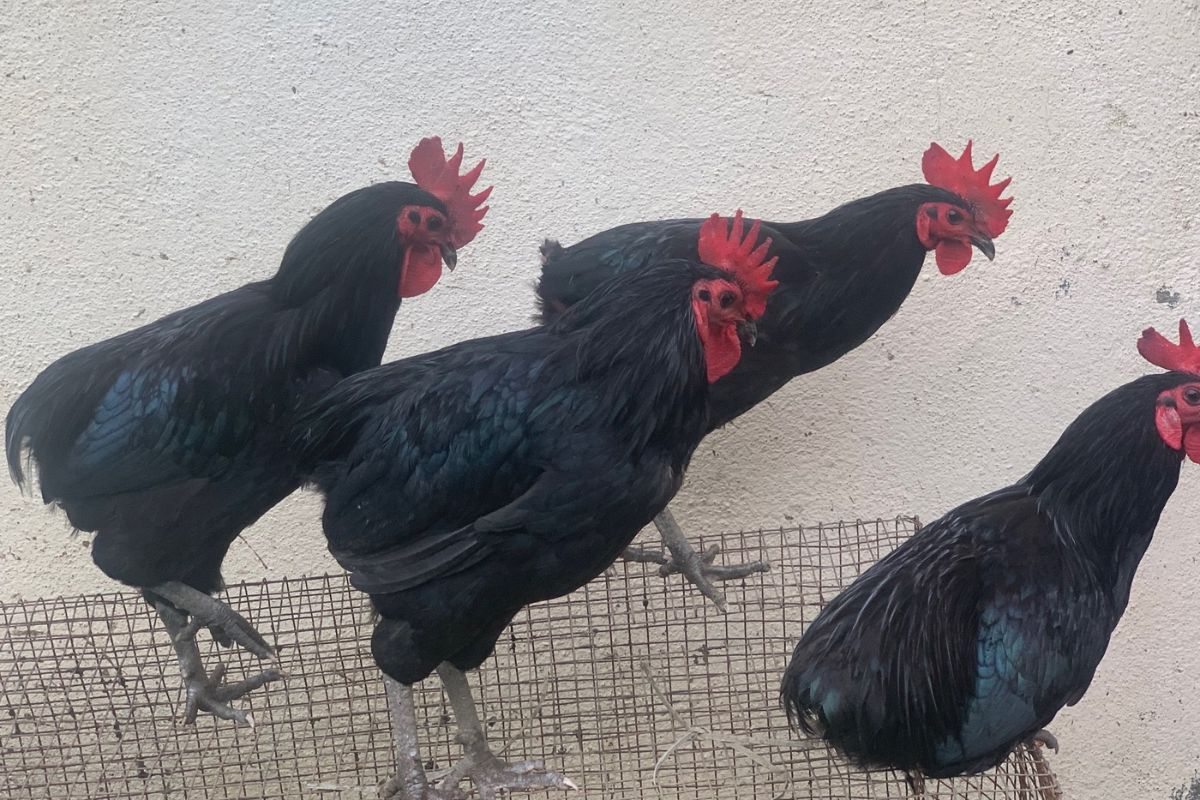
In the scattered villages of the Andaman and Nicobar Islands, a hardy poultry breed has supported rural households for generations. Known as the Nicobari chicken, this indigenous bird evolved in the island environment long before commercial poultry farming became widespread.
Today, the breed is attracting attention far beyond its native home.
Farmers, livestock departments, and poultry experts are increasingly promoting Nicobari chickens because of their adaptability, disease tolerance, and suitability for backyard farming systems. At a time when many small farmers struggle with rising feed costs and disease risks, native poultry breeds are gaining renewed importance.
The growing interest reflects a larger shift in India’s livestock sector, where farmers are beginning to recognise the economic value of indigenous genetic resources.
The Nicobari chicken developed naturally in the humid tropical climate of the Nicobar Islands. Unlike commercial broiler breeds that require intensive management, the birds adapted to local conditions over centuries. They became known for their ability to forage efficiently, survive under free-range systems, and tolerate environmental stress.
The birds are medium-sized with colourful plumage and strong disease resistance compared with many commercial varieties.
These traits make them particularly attractive for small farmers who cannot afford expensive poultry infrastructure.
Because the breed evolved under challenging island conditions, it remains well suited to low-input farming systems.
Backyard Poultry Remains an Important Income Source
Across rural India, backyard poultry continues to play a vital role in household economies.
Families often rear a small number of birds alongside crop farming, livestock rearing, and other activities. The system provides eggs, meat, and supplementary income throughout the year.
Nicobari chickens fit naturally into this model.
The birds can be raised with relatively low investment and often depend partly on scavenging for food. This reduces feed expenses, which are among the largest costs in poultry production.
For smallholders with limited resources, the breed offers a practical entry point into poultry farming.
One reason the breed is gaining popularity is its egg-laying ability. Nicobari chickens generally produce more eggs than many traditional village breeds while retaining the hardiness associated with indigenous poultry.
This combination appeals to farmers looking for a balance between productivity and resilience.
Egg sales provide regular cash income, especially for rural households where daily or weekly earnings matter more than seasonal profits.
Women often play a central role in managing backyard poultry units, making the activity an important source of household-level economic empowerment.
Consumer preferences are changing in many parts of India. Urban buyers are increasingly seeking native poultry products, believing them to offer different taste characteristics compared with commercial chicken.
This trend has created premium markets for indigenous breeds.
Restaurants, specialty meat retailers, and direct-to-consumer businesses have started sourcing native poultry from farmers and producer groups.
As awareness grows, Nicobari chickens are finding markets beyond their traditional geographic range.
The demand is encouraging livestock departments to expand breeding and distribution programmes.
Government Agencies Are Supporting Expansion
Several agricultural and animal husbandry institutions have promoted Nicobari chickens through breeding initiatives and rural development programmes.
The goal is not only to conserve the breed but also to improve rural livelihoods.
Farmers in states far from the islands have begun receiving chicks through government-supported poultry development projects. The breed is often introduced as part of efforts to strengthen backyard poultry systems among small and marginal farmers.
Officials view indigenous breeds as valuable because they perform reasonably well under conditions where commercial poultry operations may struggle.
Climate change is influencing livestock planning across India. Rising temperatures, disease outbreaks, and extreme weather events are creating new challenges for poultry farmers. Indigenous breeds often attract attention because of their ability to withstand environmental stress better than highly specialised commercial birds.
Nicobari chickens are part of this discussion.
Their adaptation to humid tropical conditions and low-input environments makes them an example of the resilience that many livestock experts believe will become increasingly important in the future.
Conserving such breeds is viewed not only as a cultural priority but also as an agricultural necessity.
A Small Bird With a Growing Role
The Nicobari chicken may not match commercial poultry breeds in terms of industrial-scale production.
That has never been its purpose.
Its strength lies in adaptability, low-cost management, and suitability for rural households.
As India searches for sustainable livestock models that support small farmers, the breed is gaining recognition for qualities that were once taken for granted.
From the islands where it originated to villages across the mainland, the Nicobari chicken is proving that indigenous livestock can still play an important role in modern agriculture.
For many farming families, it remains a reliable source of food, income, and resilience in an increasingly uncertain agricultural environment.
Also Read: Punarnava Jal – The world’s first organic fertilizer! Know how it is beneficial for farmers?
Contact us – If farmers want to share any valuable information or experiences related to farming, they can connect with us via phone or whatsapp at 9599273766 or you can write to us at “kisanofindia.mail@gmail.com”. Through Kisan of India, we will convey your message to the people, because we believe that if the farmers are advanced then the country is happy.
You can connect with Kisan of India on Facebook, Twitter, and Whatsapp and Subscribe to our YouTube channel.