
Nagaland Takes Action: Why Feeding Food Waste to Pigs Just Got Regulated

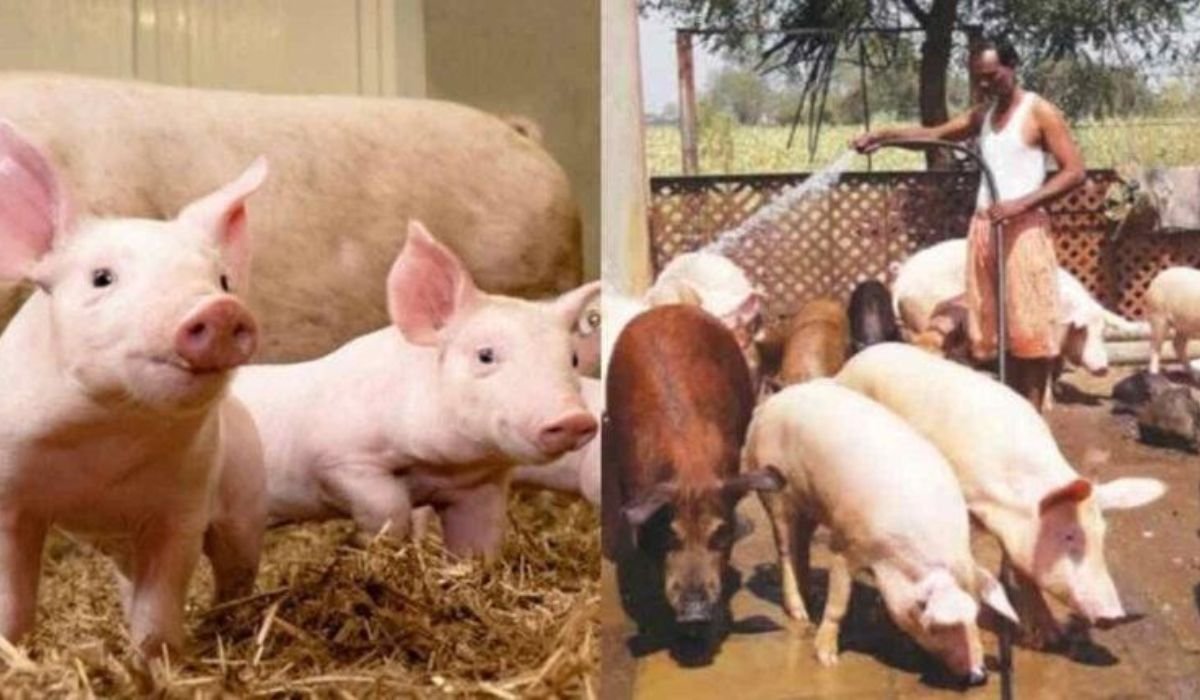
The Nagaland government has issued an important advisory to regulate how pig farmers feed their animals. The Directorate of Animal Husbandry & Veterinary Services (AH&VS) directed all district veterinary officers to control the practice of feeding untreated food waste, or swill, to pigs across the state.
This decision came after Mercy For Animals India, a non-profit animal welfare organization, sent a formal request to the department on November 24, 2025. The organization raised concerns about unsafe pig-feeding practices observed in different parts of the country.
Director of AH&VS, Dr. Imomanen Tzudir, issued the advisory on December 15, 2025. The directive asks all district veterinary officers to take action in their areas to raise awareness among pig farmers about safe and humane feeding practices.
What Is Swill Feeding?
Swill feeding means giving pigs untreated or unregulated food waste from hotels, restaurants, canteens, and similar commercial food establishments. This waste includes leftover food, kitchen scraps, plate waste, and other food materials that people did not consume.
Many small pig farmers in Nagaland and across India have traditionally used this practice to reduce feeding costs. Hotels and restaurants generate large amounts of food waste daily, and pig farmers collect this waste to feed their animals. This seems like a practical solution that helps dispose of waste while reducing feed expenses for farmers.
However, this practice carries serious risks that many farmers do not understand. The food waste often contains contaminated materials, spoiled food, and potentially disease-causing agents that can harm pigs and spread dangerous diseases.
Why Is Swill Feeding Dangerous?
Feeding food waste to pigs poses a significant risk because meat contaminated with African Swine Fever virus can infect pigs when consumed. Food waste containing meat or animal by-products may harbor viruses causing diseases like African Swine Fever and foot-and-mouth disease, which survive chilling, freezing, and curing.
Niharika Kapoor, organizing specialist for Mercy For Animals India, explained that stale, mold-infected, or highly contaminated food components with high salt, high oil, and chili fed to pigs harm both pig digestive health and public health.
The World Organisation for Animal Health and the Food and Agriculture Organisation have widely documented that feeding food waste is a major pathway for spreading livestock diseases. Research studies show that feeding swill in pens increases the odds of African Swine Fever virus infection by 3.8 times compared to pigs not fed swill.
Studies in China found that 42 percent of African Swine Fever infections were caused by swill feeding, making it the single largest transmission route. This data shows how dangerous this practice can be for the entire pig farming industry.
What Diseases Can Spread Through Swill Feeding?
African Swine Fever (ASF):
African Swine Fever is a highly contagious viral disease affecting domestic and wild pigs. The disease has mortality rates that can reach 100 percent, though it does not endanger human health. When ASF enters a farm, it can wipe out the entire pig population within days.
The virus can survive for long periods in pork products, including cured meats, hams, sausages, and frozen pork. When this contaminated meat ends up in food waste and gets fed to pigs, it starts a new outbreak. Currently, there is no vaccine or treatment available for ASF, making prevention the only option.
Foot and Mouth Disease (FMD):
Foot and Mouth Disease is another serious viral infection that affects cloven-hoofed animals including pigs, cattle, sheep, and goats. While FMD generally does not cause high mortality in adult pigs, it spreads extremely rapidly and causes severe economic losses.
The disease causes fever, blisters in the mouth and on feet, loss of appetite, and lameness. Affected farms face quarantine, movement restrictions, and cannot sell their animals. The virus can spread through contaminated food waste just like ASF.
Other Health Risks:
Apart from viral diseases, swill feeding can cause other serious problems. Moldy food contains toxins that damage pig liver and kidneys. Highly salted and oily food causes digestive problems, dehydration, and organ damage in pigs. Spoiled food with bacterial contamination can cause severe diarrhea and food poisoning in animals.
Food waste from restaurants may also contain foreign objects like plastic pieces, bones, toothpicks, and other materials that can injure pigs internally. Chemical residues from detergents, pesticides, or preservatives in the food waste can accumulate in pig tissues and eventually reach humans who consume pork.
What Does the Nagaland Advisory Say?
The advisory issued by the Animal Husbandry & Veterinary Services department includes three key directions:
Ban on Untreated Food Waste:
The department directed district veterinary officers to regulate and discourage feeding untreated or unregulated food waste from hotels, canteens, and similar commercial sources to pigs. This applies to both backyard pig farms and commercial pig farming operations across the state.
Follow Recommended Feeding Practices:
The advisory mandates that pig farms must follow only those feeding practices and diets recommended by veterinary departments, Indian Council of Agricultural Research (ICAR) institutes, and recognized livestock research authorities. Farmers should not experiment with random feeding methods but should stick to scientifically proven feeding programs.
Monitoring and Awareness:
The department instructed veterinary officers and livestock inspectors to monitor pig farms for compliance with these new regulations. They should conduct regular farm visits to check what farmers are feeding their pigs. Officers must also conduct awareness programs to educate farmers about safe and humane feeding practices.
Impact on Nagaland’s Pig Farming
Pig farming plays an extremely important role in Nagaland’s economy and culture. The state has a strong tradition of pig rearing, and pork is the most preferred meat among the tribal communities. Livestock contributes about 18 percent to Nagaland’s gross domestic product, with pig farming being the mainstay.
Research shows that swill feeding is common practice across Nagaland’s pig farming areas. A survey found that the majority of pig farmers in the state, especially in rural districts, were unaware of African Swine Fever and the risks associated with swill feeding. This lack of awareness makes the current advisory particularly important.
Most pig farms in Nagaland are small backyard operations where families rear a few pigs for income and personal consumption. These small-scale farmers often lack knowledge about modern pig farming practices and disease prevention methods. They rely on traditional feeding methods passed down through generations.
The advisory aims to change these risky traditional practices without hurting farmers financially. The goal is to protect both the pig population and the livelihoods that depend on pig farming.
What Should Farmers Feed Pigs Instead?
Farmers need practical alternatives to food waste for feeding their pigs. Here are recommended feeding options:
Commercial Pig Feed:
Properly formulated commercial pig feed contains balanced nutrition including proteins, carbohydrates, vitamins, and minerals. These feeds are scientifically designed for different pig age groups and growth stages. While commercial feed costs more than food waste, it produces healthier, faster-growing pigs.
Farm-Grown Feed Crops:
Farmers can grow their own feed crops like maize, wheat, barley, and sweet potatoes. Nagaland farmers traditionally use locally available plants and roots for pig feed. Common options include cassava (Manihot esculenta) and colocasia roots, which grow well in the state’s climate.
Treated Kitchen Waste:
If farmers want to use kitchen waste from their own homes, it must be properly treated first. The World Organisation for Animal Health recommends heating food waste to at least 90°C for 60 minutes with continuous stirring to kill any viruses. However, this treated waste should never contain any meat or meat products.
Grain By-Products:
Rice bran, wheat bran, broken rice, and other grain processing by-products make good pig feed when mixed with protein sources. Many farmers in Nagaland already use these materials mixed with locally available green fodder.
How Will This Advisory Affect Farmers?
The new regulations will require farmers to change their feeding practices, which may increase their production costs initially. Food waste is free or very cheap, while proper feed costs money. This creates a genuine challenge for small farmers who operate on tight budgets.
However, the long-term benefits outweigh the short-term costs. Properly fed pigs grow faster, stay healthier, and produce better quality meat. Farmers can get higher prices for healthier pigs. Most importantly, following safe feeding practices protects farmers from devastating disease outbreaks that could wipe out their entire stock.
The government and veterinary department should provide support to help farmers transition to safe feeding practices. This support could include subsidies for pig feed, training programs on growing feed crops, and financial assistance for small farmers.
What About Hotels and Restaurants?
The advisory also affects hotels and restaurants that currently give their food waste to pig farmers. These establishments will need to find alternative waste disposal methods.
Instead of giving food waste to pig farmers, hotels and restaurants should dispose of food waste through proper municipal waste management systems. Some cities have biogas plants that can convert food waste into energy. Composting is another option for vegetable-based waste that does not contain meat.
Establishments that want to continue supporting pig farmers could consider donating money to help farmers buy proper feed instead of giving them risky food waste. This would maintain the relationship while promoting safe farming practices.
Role of Mercy For Animals India
Mercy For Animals India is a non-profit organization dedicated to reducing suffering and cruelty endured by animals raised for food. The organization promotes transitioning to plant-based eating and works on improving conditions for farm animals.
The organization operates with over 800 volunteers across India. It uses public policy advocacy, corporate campaigns, movement building, and public engagement to create change for animals. Their intervention in Nagaland shows how animal welfare organizations can work with government departments to improve farming practices.
The organization’s request to the Nagaland government highlighted three main concerns: animal health and welfare, public health risks, and food safety. By presenting scientific evidence and international guidelines, Mercy For Animals India helped convince the government to take action.
International Examples
Many countries have already banned or strictly regulated swill feeding because of disease outbreak experiences:
Australia: The country has completely banned swill feeding after it caused a foot-and-mouth disease outbreak in the past. Australian regulations clearly state that pigs must not be fed food scraps containing meat or having contact with meat.
European Union: The EU banned swill feeding in 2002 after the United Kingdom experienced a major foot-and-mouth disease outbreak linked to this practice. The outbreak cost billions and required culling of millions of animals.
China: After massive African Swine Fever outbreaks in 2018-2019 that killed millions of pigs, China strengthened regulations on swill feeding and improved biosecurity in pig farms.
These international examples show that banning or regulating swill feeding is a proven disease control measure adopted by many countries that take animal health seriously.
What Happens Next?
Following the advisory, district veterinary officers across Nagaland will begin implementing the new regulations. This will involve several steps:
Farm Visits and Inspections: Veterinary officers and livestock inspectors will visit pig farms to assess current feeding practices and educate farmers about the risks and regulations.
Awareness Campaigns: The department will organize awareness programs, demonstrations, and training sessions for pig farmers. These programs will explain why the changes are necessary and how farmers can adopt safe feeding practices.
Monitoring Compliance: Regular monitoring will ensure farmers follow the new guidelines. Officers will check what farmers are feeding their pigs and provide guidance on improving feeding programs.
Support Services: The veterinary department should provide support services including advice on formulating pig feed using locally available materials and connecting farmers with feed suppliers.
Penalties for Non-Compliance: While the advisory focuses on education and awareness, authorities may need to enforce penalties for farmers who continue unsafe practices and risk spreading diseases.
Benefits of the New Regulations
While the changes may seem difficult initially, they bring important benefits:
Disease Prevention: Following safe feeding practices dramatically reduces the risk of African Swine Fever, Foot and Mouth Disease, and other infections entering pig farms.
Better Pig Health: Properly fed pigs grow healthier, faster, and produce better quality meat. This means higher income for farmers despite increased feed costs.
Food Safety: Pork from properly fed pigs is safer for human consumption as it does not contain toxins, chemical residues, or disease organisms that could come from contaminated swill.
Industry Protection: Preventing disease outbreaks protects the entire pig farming industry in Nagaland from devastation and trade restrictions.
Consumer Confidence: When consumers know that pigs are fed safely, they have more confidence in buying and consuming pork products.
Challenges Ahead
Implementing these regulations faces several challenges:
Cost Concerns: Small farmers worry about increased costs of proper feed. The government needs to address this through subsidies or support programs.
Awareness Gap: Many rural farmers, especially in remote areas, remain unaware of disease risks. Reaching all farmers with awareness programs requires significant effort.
Waste Management: Hotels and restaurants need alternative waste disposal solutions when they can no longer give food waste to pig farmers.
Monitoring Difficulties: With thousands of small backyard farms across the state, monitoring compliance everywhere is challenging.
Cultural Practices: Changing traditional feeding practices that families have used for generations requires time and patience.
Recommendations for Farmers
Pig farmers in Nagaland should take these steps to comply with the new advisory:
- Stop Using Hotel Food Waste Immediately: Do not collect or use food waste from hotels, restaurants, or canteens for feeding pigs.
- Learn About Proper Feeding: Contact your district veterinary officer to learn about recommended feeding practices for pigs.
- Start Growing Feed Crops: Use available land to grow maize, cassava, or other crops suitable for pig feed.
- Join Farmer Groups: Connect with other pig farmers to share knowledge and bulk purchase feed at lower costs.
- Maintain Farm Hygiene: Keep pig houses clean, provide fresh water, and maintain good biosecurity to prevent disease entry.
- Report Sick Pigs: Immediately report any sick pigs to veterinary authorities for early disease detection.
- Vaccinate Your Pigs: Follow the vaccination schedule recommended by veterinary officers.
- Keep Records: Maintain records of what you feed your pigs, their health status, and any treatments given.
Government Support Needed
For successful implementation of this advisory, the government should provide:
Feed Subsidies: Offer subsidies or reduced prices for commercial pig feed to help farmers afford proper nutrition for their animals.
Training Programs: Conduct regular training sessions on pig nutrition, feeding practices, and disease prevention.
Credit Facilities: Provide easy access to credit for farmers to purchase feed and upgrade their farming practices.
Feed Production Units: Establish community-level feed mixing units where farmers can prepare balanced feed using locally available materials at lower cost.
Veterinary Services: Strengthen veterinary services in rural areas with more officers, better facilities, and regular farm visits.
Market Support: Help farmers get better prices for properly raised pigs by creating quality certification systems.
Looking Forward
The Nagaland government’s advisory on swill feeding represents an important step toward modernizing pig farming in the state. While change is never easy, especially when it affects traditional practices and increases costs, the long-term benefits justify the effort.
Protecting Nagaland’s pig farming industry from devastating disease outbreaks should be everyone’s priority. A single African Swine Fever outbreak could destroy thousands of pigs and devastate farmer livelihoods far more severely than the cost of proper feed.
The success of this initiative depends on cooperation between government departments, veterinary officers, animal welfare organizations, farmers, and commercial food establishments. With proper support, awareness, and gradual implementation, Nagaland can transition to safer, more sustainable pig farming practices that protect both animals and human health.
The advisory is not meant to punish farmers but to protect them and help the pig farming industry grow sustainably. By working together and following scientific feeding practices, Nagaland can maintain its strong pig farming tradition while ensuring disease-free, healthy pig populations for future generations.
Contact us: If farmers want to share information or experiences related to farming with us, then they can do this by calling us on the phone number 9599273766 or by writing an email to kisanofindia.mail@gmail.com or by sending your recording. Through Kisan of India, we will convey your message to the people, because we believe that if the farmers are advanced then the country is happy.