


Silent Collapse of India’s Indigenous Cattle Breeds Is Reshaping Rural Agriculture

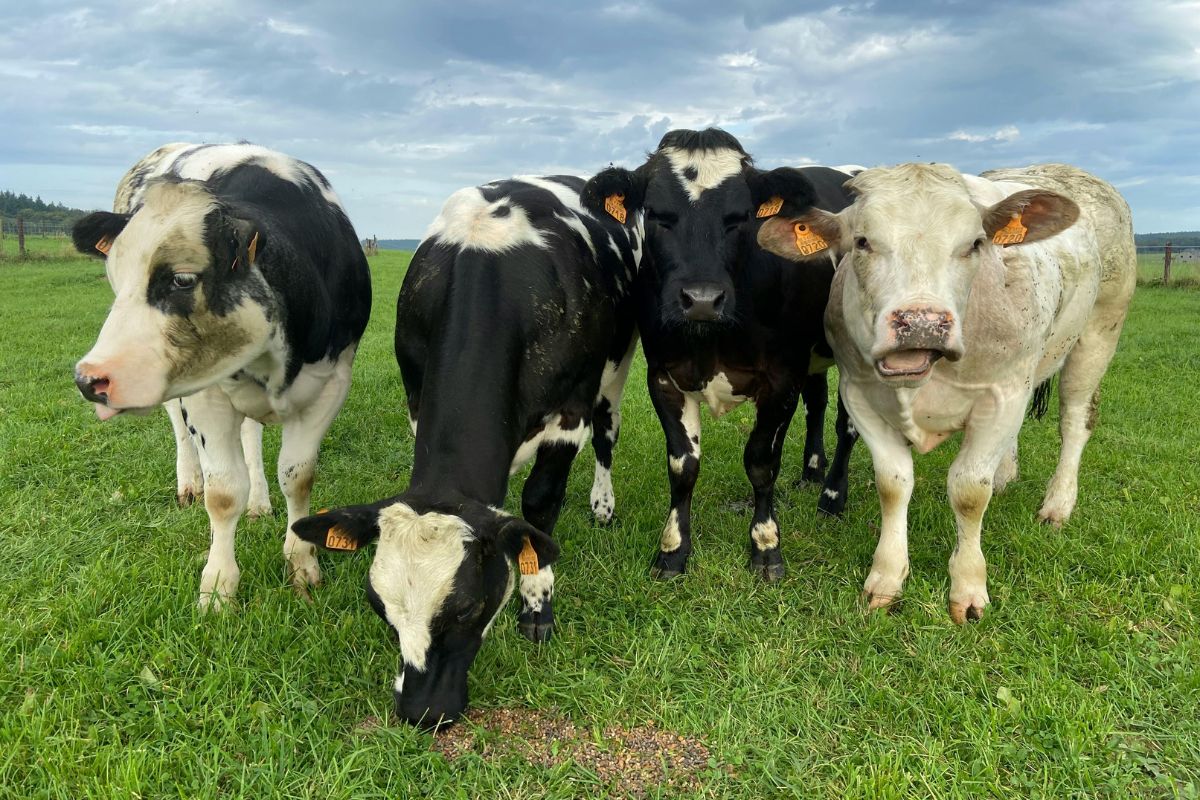
For centuries, rural India depended on a vast network of indigenous cattle breeds adapted to specific ecological regions, climates, diseases, and farming systems. Every region developed animals suited to local conditions through generations of selective breeding shaped by terrain, water availability, temperature, and agricultural needs.
In Rajasthan, hardy desert breeds survived extreme heat and long dry periods. Himalayan cattle adapted to steep mountain landscapes and cold climates. Central Indian breeds evolved for mixed farming systems combining agriculture and livestock. Coastal breeds tolerated humidity and tropical disease pressure.
Researchers say India’s traditional cattle diversity represented one of the largest livestock adaptation systems in the world.
Today, much of that diversity is shrinking quietly.
The biggest shift began after dairy expansion intensified during the late twentieth century.
Commercial dairy systems increasingly prioritized milk volume above all other traits. Crossbreeding programmes expanded rapidly across many states using foreign or hybrid breeds capable of producing higher milk yields under controlled feeding conditions.
Agriculture experts say this changed how farmers evaluated livestock.
Traditional breeds once valued for:
- Heat tolerance
- Disease resistance
- Drought survival
- Low feed dependence
- Farm labour support
were increasingly replaced by animals selected mainly for commercial dairy output.
Researchers say many indigenous breeds lost economic importance because modern agriculture separated dairy production from traditional mixed farming systems.
Mechanisation Reduced Dependence on Native Bullocks
Indigenous cattle historically served multiple roles inside Indian agriculture.
Bullocks ploughed fields, transported goods, powered irrigation systems, and supported village economies long before tractors spread across rural regions.
Mechanisation changed that relationship completely.
As tractors and machines replaced animal labour, many farmers stopped maintaining local draught breeds because the animals no longer generated direct economic value.
Researchers say this transition accelerated breed decline across several regions because traditional breeding systems depended heavily on active agricultural use.
Agriculture experts warn that once breeding populations shrink below certain levels, recovery becomes extremely difficult.
Now climate pressure is forcing agriculture scientists to revisit indigenous cattle systems again.
Heatwaves across India are intensifying. Water scarcity is growing in several regions. Researchers studying livestock adaptation say many exotic dairy breeds struggle under extreme Indian climatic conditions without expensive cooling systems, veterinary support, and high-input feeding.
Indigenous breeds often survive better under:
- Heat stress
- Poor grazing conditions
- Water scarcity
- Disease exposure
- Low-input farming environments
Agriculture experts increasingly argue that climate-resilient livestock systems may require stronger protection for native breeds adapted to Indian ecological realities.
Some Breeds Are Already Near Disappearance
Researchers warn that several indigenous breeds now face severe population decline.
In some regions, traditional cattle survive only among small groups of pastoral communities or ageing farmers maintaining old breeding lines. Younger rural generations increasingly move away from livestock farming due to labour demands and uncertain income.
Agriculture experts say many local breeds disappear quietly because:
- Breeding records remain weak
- Rural migration increases
- Grazing land shrinks
- Crossbreeding expands
- Commercial dairy markets dominate
Some livestock scientists fear valuable genetic traits may vanish permanently before proper conservation begins.
Across India, pastoral groups historically played a major role in preserving indigenous livestock systems.
Communities such as the Raikas, Maldharis, Dhangars, and Gujjars maintained mobile grazing systems allowing animals to survive across difficult ecological zones.
Researchers say these pastoral economies preserved:
- Breed diversity
- Traditional veterinary knowledge
- Seasonal migration systems
- Grazing management practices
But shrinking pastureland, forest restrictions, urban expansion, and changing land use patterns increasingly threaten these communities.
Agriculture experts argue that protecting indigenous breeds requires protecting pastoral ecosystems as well.
One reason researchers continue studying native cattle is management efficiency under rural conditions.
Many indigenous breeds survive effectively on local fodder and crop residue without requiring highly specialized feed systems. They often show stronger disease resistance under tropical conditions compared to some commercial dairy breeds.
Agriculture experts say this becomes important for small farmers unable to afford expensive commercial livestock systems.
Researchers increasingly debate whether future livestock policy should focus only on maximum milk production or broader sustainability under climate stress.
Indigenous Milk Economies Are Slowly Returning
A small revival is also emerging through niche dairy markets.
Some consumers increasingly seek milk from indigenous breeds linked with:
- Traditional dairy systems
- Organic farming
- A2 milk branding
- Low-input agriculture
Researchers say these markets remain limited but are creating renewed economic interest in certain native breeds.
Still, agriculture experts warn that commercial branding alone cannot protect livestock biodiversity without long-term breeding support and grazing security.
India remains one of the world’s largest dairy producers, but its livestock economy is changing rapidly under pressure from mechanisation, commercialisation, climate instability, and land-use change.
Researchers say the decline of indigenous cattle reflects a deeper transformation happening across rural India where traditional mixed farming systems are gradually weakening.
For generations, cattle shaped village economies, agricultural rhythms, and ecological balance.
Now many of those systems survive only in fragments across scattered rural landscapes.
Agriculture experts believe future farming may once again need some of the resilience traits embedded inside India’s indigenous livestock heritage.
The challenge is whether those breeds will survive long enough for that realization to arrive.
Also Read: Punarnava Jal – The world’s first organic fertilizer! Know how it is beneficial for farmers?
Contact us – If farmers want to share any valuable information or experiences related to farming, they can connect with us via phone or whatsapp at 9599273766 or you can write to us at “kisanofindia.mail@gmail.com”. Through Kisan of India, we will convey your message to the people, because we believe that if the farmers are advanced then the country is happy.
You can connect with Kisan of India on Facebook, Twitter, and Whatsapp and Subscribe to our YouTube channel.