



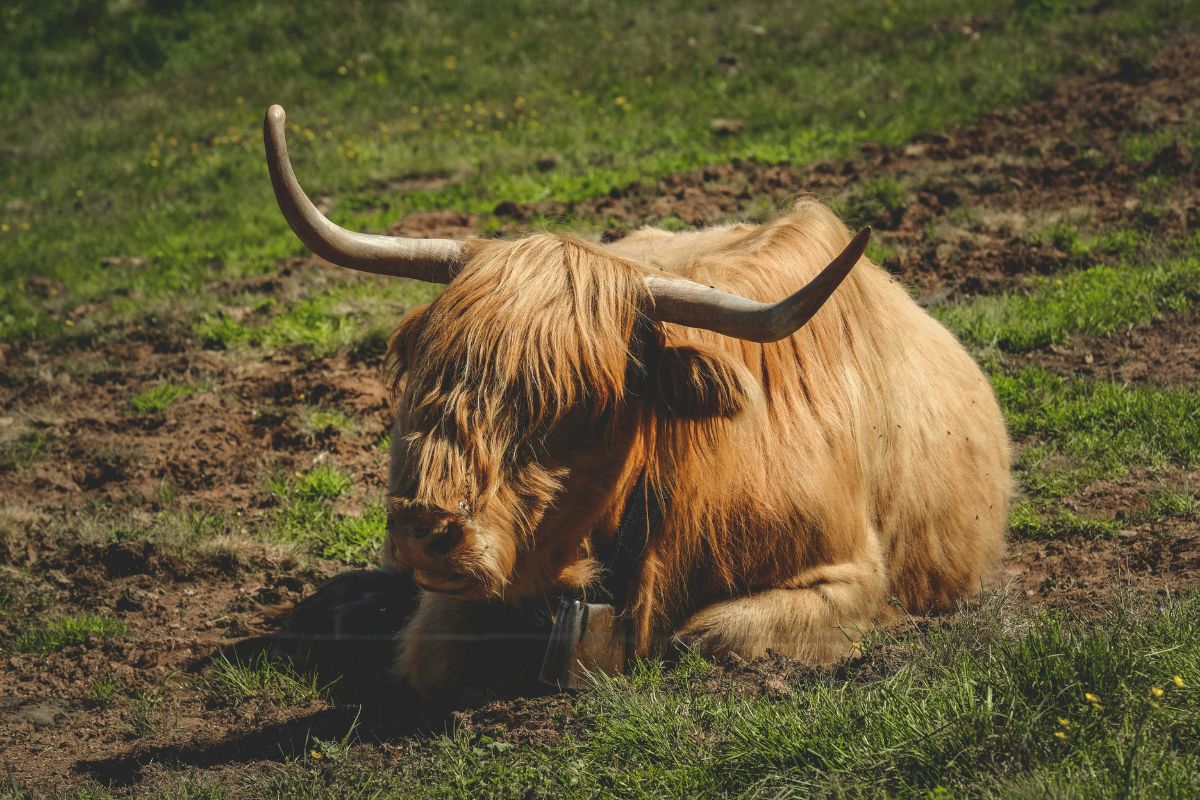
In the high-altitude regions of Arunachal Pradesh, yaks have supported mountain communities for centuries. These hardy animals provide milk, meat, fibre, transport, and manure in landscapes where conventional livestock often struggle to survive.
For generations, yak milk was consumed locally or processed into traditional dairy products for household use. While these practices remain important, a growing number of communities are discovering new opportunities through specialty cheese production.
By converting milk into value-added products, herders are earning more from each litre produced while creating market links that extend far beyond remote Himalayan villages. The development is helping transform traditional pastoralism into a stronger rural enterprise.
As demand for specialty dairy products grows, yak cheese is emerging as a promising source of income for mountain communities.
The high mountains of Arunachal Pradesh present some of the most challenging farming conditions in India. Long winters, rugged terrain, and limited grazing seasons make livestock management difficult.
Yaks are uniquely adapted to these environments.
Their thick coats, strong lungs, and ability to graze at high elevations allow them to survive in conditions that would challenge many other animals. This adaptability has made them central to local livelihoods for generations.
For pastoral communities, yaks remain more than livestock. They represent a foundation of economic and cultural life in the mountains.
Their importance continues despite changing economic conditions.
Milk Processing Adds Value
One challenge facing yak herders has always been market access.
Fresh milk is highly perishable, and transporting it from remote mountain settlements to urban centres is often impractical. Processing provides a solution by extending shelf life and increasing product value.
Cheese production allows communities to transform milk into a product that can be stored, transported, and sold more easily. The value generated per litre of milk often increases significantly compared with direct sales.
Several community groups and cooperatives are now experimenting with improved processing methods while maintaining traditional knowledge.
The focus is on capturing more value within producing regions.
Consumer interest in artisanal and region-specific foods is growing across India. Products connected to unique landscapes and traditional production systems often attract premium markets.
Yak cheese benefits from this trend.
Its association with Himalayan pastoralism, high-altitude grazing systems, and limited production volumes gives it a distinctive identity. Restaurants, specialty food retailers, and tourism businesses are increasingly exploring such products.
This demand creates opportunities for producers located far from conventional dairy markets.
Instead of competing on volume, communities compete through uniqueness and quality.
That strategy is proving increasingly successful.
Many yak herders operate on a small scale, making it difficult to access larger markets individually.
Cooperatives and producer groups are helping overcome this challenge. By collecting milk from multiple households and coordinating processing activities, these organisations improve efficiency and consistency.
Collective marketing also strengthens bargaining power and helps meet quality requirements demanded by buyers.
Several programmes supporting mountain livelihoods now emphasise producer organisations as a way to improve economic returns.
The cooperative model is becoming an important driver of growth.
It allows communities to participate more effectively in value-added markets.
Climate Change Creates New Challenges
While opportunities are expanding, yak herders also face growing environmental pressures.
Changes in snowfall patterns, shifting vegetation, and rising temperatures are affecting grazing systems across the Himalayas. Researchers monitoring mountain ecosystems report increasing concern about the long-term condition of alpine pastures.
Healthy grasslands are essential for yak production.
Communities are therefore paying closer attention to pasture management, grazing practices, and ecosystem conservation. The sustainability of the cheese sector depends directly on the sustainability of mountain landscapes.
Economic development and environmental stewardship are closely linked.
The future of one depends on the future of the other.
Yak herding remains one of India’s most distinctive livestock systems. It has survived because communities adapted to challenging environments using knowledge developed over centuries.
Today, value-added dairy products are helping that tradition evolve.
Cheese production allows herders to generate greater income without fundamentally changing the livestock systems on which they depend. It creates opportunities for younger generations while preserving a way of life deeply connected to the mountains.
The cheese produced in Arunachal Pradesh’s highlands carries more than flavour.
It carries the story of communities, landscapes, and livestock that have worked together for generations.
As demand continues to grow, that story is becoming an increasingly valuable part of the rural economy.
Also Read: Punarnava Jal – The world’s first organic fertilizer! Know how it is beneficial for farmers?
Contact us – If farmers want to share any valuable information or experiences related to farming, they can connect with us via phone or whatsapp at 9599273766 or you can write to us at “kisanofindia.mail@gmail.com”. Through Kisan of India, we will convey your message to the people, because we believe that if the farmers are advanced then the country is happy.
You can connect with Kisan of India on Facebook, Twitter, and Whatsapp and Subscribe to our YouTube channel.