



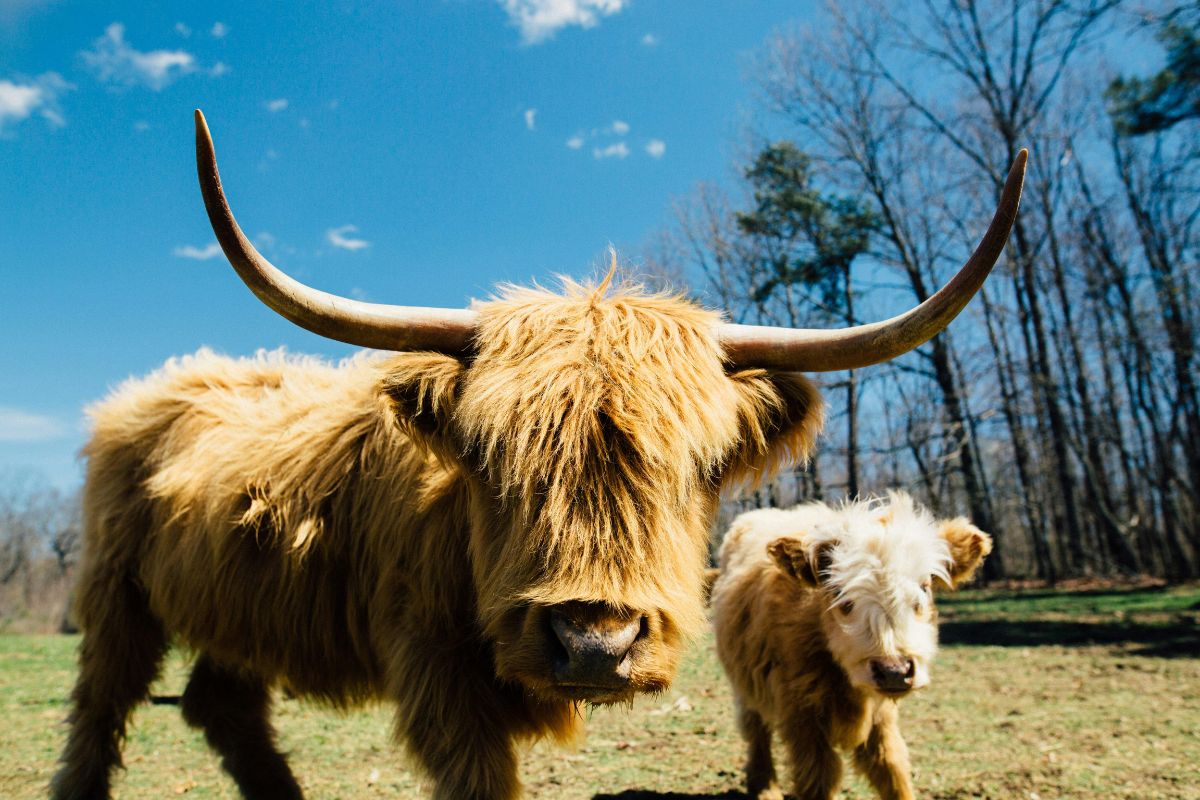
For much of India, livestock farming means cows, buffaloes, goats, or poultry. In the remote high-altitude regions of Arunachal Pradesh, however, another animal has sustained communities for centuries. The yak, often called the lifeline of the Himalayas, remains one of the most important livestock species for tribal families living in some of the country’s harshest environments.
Across districts such as Tawang, West Kameng, Shi Yomi, and parts of Upper Subansiri, yak farming continues to support livelihoods where conventional agriculture faces severe limitations. At elevations often exceeding 10,000 feet, long winters, rugged terrain, and limited cultivation opportunities make livestock a crucial part of daily life. In these regions, the yak is more than an animal. It is a source of food, transport, income, and cultural identity.
Unlike cattle raised in the plains, yaks are naturally adapted to extreme cold and thin mountain air. Their thick coats protect them from temperatures that can fall far below freezing during winter months. They can graze on sparse alpine vegetation where many other livestock species would struggle to survive.
For generations, herding communities have moved yaks across seasonal grazing routes, taking advantage of mountain pastures that change throughout the year. During summer, animals graze in higher alpine meadows rich in grasses and herbs. As winter approaches, herders gradually move them to lower elevations where conditions remain less severe.
This migratory grazing system has shaped both local economies and mountain ecosystems for centuries.
Every Part of the Animal Has Economic Value
The importance of yak farming comes from its versatility. Families depend on the animal for multiple products throughout the year.
Yak milk is used to make butter, cheese, curd, and traditional dairy products that remain important in local diets. Yak meat commands premium prices in many mountain markets and is often consumed during festivals and community gatherings.
The animal’s hair is used for ropes, tents, blankets, and traditional handicrafts. In remote villages where mechanised transport remains difficult, yaks continue to carry supplies across mountain trails that vehicles cannot access.
For many households, this diversity of uses makes yak farming more reliable than depending on a single agricultural activity.
Despite its importance, yak farming faces growing challenges.
Younger generations increasingly move to towns and cities for education and employment opportunities. As a result, fewer people are entering traditional herding occupations. Maintaining large yak herds requires extensive labour, long periods in remote grazing areas, and a lifestyle that many young people no longer wish to pursue.
Changing land-use patterns have also affected traditional grazing routes in some regions. Infrastructure development, road construction, and shifts in land management practices have reduced access to certain pastures that communities historically depended upon.
Local livestock officials say maintaining traditional grazing systems is becoming more difficult than it was a generation ago.
Climate change is adding another layer of uncertainty.
Herders report that snowfall patterns have become less predictable in recent years. Some areas experience shorter winters, while others face sudden extreme weather events that can affect grazing conditions. Changes in temperature also influence the growth of alpine vegetation that supports yak herds.
Mountain ecosystems are highly sensitive to climate shifts. When pasture quality declines, livestock productivity can also suffer. Many herders say they are already noticing subtle changes in grazing landscapes that have remained stable for decades.
The challenges are forcing communities to adapt while trying to preserve a way of life closely connected to the mountains.
Government Efforts to Protect Yak Farming
Recognising the importance of yaks, several institutions have expanded efforts to support herders through breeding programmes, veterinary services, and research initiatives. The National Research Centre on Yak in Arunachal Pradesh has been working to improve breeding, animal health, and productivity while conserving indigenous yak populations.
State agencies are also encouraging value addition through products such as yak cheese, organic meat, and traditional wool-based handicrafts. These initiatives aim to improve incomes while making yak farming economically attractive for younger generations.
Some farmer groups are exploring tourism-linked opportunities where visitors can learn about traditional yak-herding culture alongside mountain agriculture.
Yak farming survives because it remains deeply connected to the social and cultural life of Himalayan communities. Festivals, ceremonies, traditional food systems, and community identities all remain closely tied to the animal.
In many villages, owning yaks is still regarded as a sign of prosperity and social standing. Families pass down herding knowledge across generations, preserving skills developed over centuries of life in the mountains.
As modernisation reaches even the most remote parts of Arunachal Pradesh, yak farming stands at a crossroads. Yet the animal continues to play a central role in regions where few other livestock species can thrive.
For thousands of families living among the high peaks of the eastern Himalayas, the yak remains what it has always been — the foundation of life above the clouds.
Also Read: Punarnava Jal – The world’s first organic fertilizer! Know how it is beneficial for farmers?
Contact us – If farmers want to share any valuable information or experiences related to farming, they can connect with us via phone or whatsapp at 9599273766 or you can write to us at “kisanofindia.mail@gmail.com”. Through Kisan of India, we will convey your message to the people, because we believe that if the farmers are advanced then the country is happy.
You can connect with Kisan of India on Facebook, Twitter, and Whatsapp and Subscribe to our YouTube channel.