



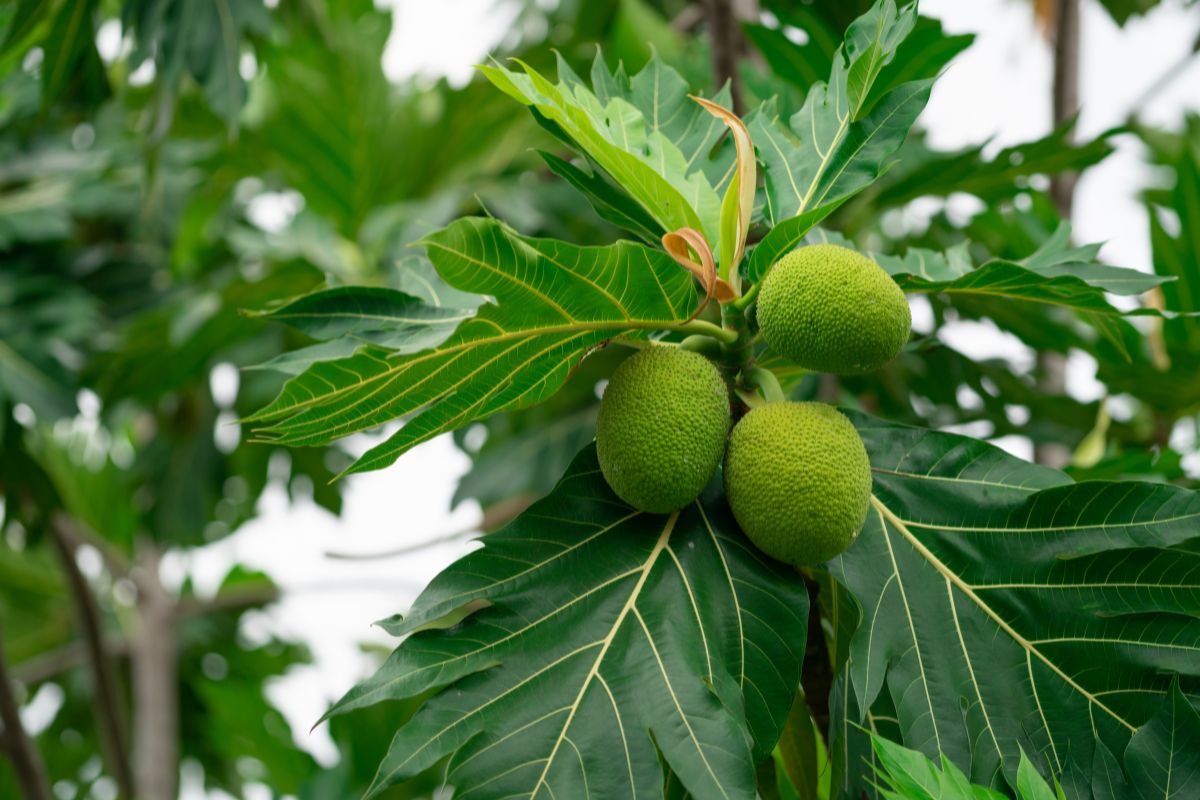
d fs climate change places increasing pressure on global food systems, researchers are paying closer attention to crops that can produce large quantities of food while tolerating challenging environmental conditions. One crop attracting growing interest is breadfruit, a tropical tree that has supported communities across Pacific islands and parts of Southeast Asia for centuries.
Despite its long history, breadfruit remains underutilised in many parts of the world. Agricultural scientists now view it as a promising option for future food systems because of its productivity, adaptability, and nutritional value. The tree produces large quantities of starchy fruits that can be consumed fresh or processed into a range of food products.
Interest in breadfruit is increasing as governments, researchers, and farmers search for crops capable of strengthening food security under changing climatic conditions.
One reason breadfruit is attracting attention is its remarkable productivity. Mature trees can produce hundreds of fruits annually, generating substantial quantities of food from relatively small areas of land. Unlike seasonal crops that require replanting every year, breadfruit trees continue producing harvests for decades.
This long productive lifespan reduces labour requirements and lowers production costs over time. Researchers studying sustainable agriculture often highlight perennial crops because they provide continuous output while reducing soil disturbance.
The ability to generate large harvests from a single tree makes breadfruit particularly attractive for smallholder farming systems.
Climate Resilience Supports Future Farming
Many agricultural regions are experiencing rising temperatures, changing rainfall patterns, and more frequent weather extremes. Breadfruit has shown strong adaptability to tropical environments and can continue producing under conditions that challenge some annual crops.
Scientists are evaluating its role in climate adaptation because perennial trees often tolerate environmental stress better than short-duration crops. Deep root systems help access water during dry periods, while permanent tree cover contributes to landscape stability.
Researchers believe climate-resilient crops will become increasingly important as farmers adapt to future environmental conditions.
Breadfruit is no longer viewed only as a traditional food crop. Food companies and entrepreneurs are developing products such as breadfruit flour, chips, baked goods, snacks, and processed ingredients aimed at modern markets.
Processing increases shelf life and creates opportunities to reach consumers far beyond production areas. Agricultural economists frequently note that value addition is essential for transforming underutilised crops into commercially viable enterprises.
The growth of processing industries is helping create new demand and improve market prospects for producers.
Breadfruit fits naturally into agroforestry systems where trees are combined with other crops and livestock. Such systems are receiving increasing attention because they support biodiversity, improve soil health, and diversify farm income.
Farmers can cultivate vegetables, spices, medicinal plants, or fodder crops alongside breadfruit trees, creating multiple revenue streams from the same land area. Researchers studying regenerative agriculture often identify agroforestry as an effective strategy for balancing productivity and environmental sustainability.
The crop’s compatibility with diversified farming systems adds to its appeal.
Nutrition Is Driving Interest
Consumers are showing growing interest in foods that provide nutritional diversity beyond major staples. Breadfruit contains carbohydrates, fibre, and several important nutrients that contribute to balanced diets.
Nutrition experts view it as a valuable addition to food systems because it offers an alternative source of calories while supporting dietary diversity. As awareness increases, demand for breadfruit-based products is expected to grow in both domestic and international markets.
This trend is encouraging greater investment in cultivation and processing.
Breadfruit demonstrates how traditional crops can gain new importance in response to contemporary challenges. Its productivity, resilience, nutritional value, and compatibility with sustainable farming systems align closely with many goals of modern agriculture.
For farmers, the crop offers an opportunity to diversify production and strengthen resilience anFor consumers, it provides access to new food products. For researchers, it represents a promising example of how underutilised species can contribute to future food security.
As agriculture searches for solutions to climate change and resource constraints, breadfruit is emerging as a crop whose time may be coming again.
Across tropical regions, a tree that has quietly fed communities for generations is beginning to attract attention as a potential food crop for the future.
Also Read: Punarnava Jal – The world’s first organic fertilizer! Know how it is beneficial for farmers?
Contact us – If farmers want to share any valuable information or experiences related to farming, they can connect with us via phone or whatsapp at 9599273766 or you can write to us at “kisanofindia.mail@gmail.com”. Through Kisan of India, we will convey your message to the people, because we believe that if the farmers are advanced then the country is happy.
You can connect with Kisan of India on Facebook, Twitter, and Whatsapp and Subscribe to our YouTube channel.