



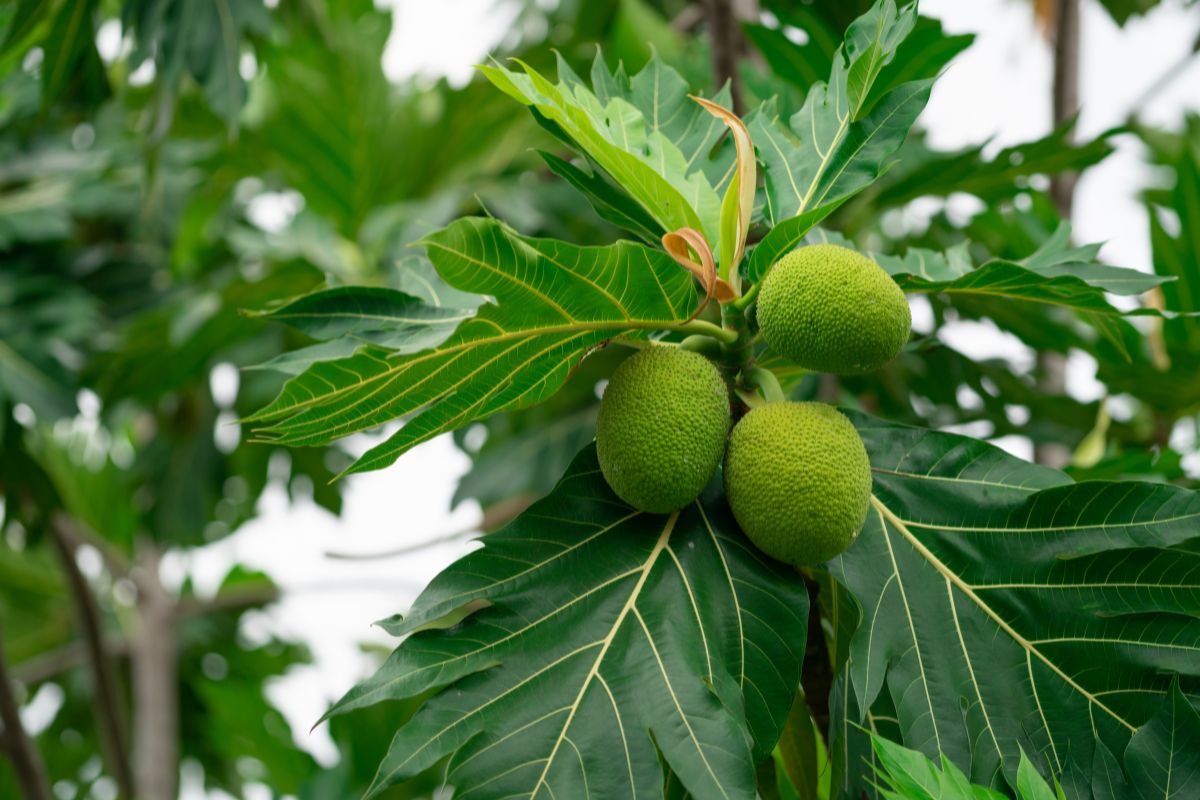
Across the Andaman and Nicobar Islands, a tropical tree once grown mainly in home gardens is attracting fresh interest from farmers and agricultural researchers. Breadfruit, a crop widely cultivated in parts of the Pacific, has adapted well to the islands’ humid climate and is increasingly being recognised for its commercial potential.
For decades, breadfruit remained largely outside mainstream agricultural discussions in India. Most production was limited to local consumption, and few organised markets existed for growers. As consumers search for alternative foods and climate-resilient crops gain attention, that situation is beginning to change.
Farmers are now exploring whether breadfruit can become a profitable addition to diversified farming systems in the islands.
The crop’s ability to produce substantial yields from a single tree is one of its biggest attractions.
Unlike annual crops that require replanting every season, breadfruit trees can remain productive for many years. Once established, a mature tree produces large quantities of fruit during the harvesting season. This long productive lifespan reduces recurring cultivation costs and provides farmers with a relatively stable source of output.
The fruit is rich in carbohydrates and can be cooked in various ways. In many tropical countries, breadfruit serves as an important food crop and contributes significantly to local diets.
Researchers believe its nutritional profile and productivity deserve greater attention in India.
The crop combines food security and commercial potential.
The climate of the Andaman Islands provides favourable conditions for breadfruit cultivation. High humidity, warm temperatures, and regular rainfall support tree growth throughout much of the year. Unlike some fruit crops that require intensive management, breadfruit generally adapts well to local environmental conditions once established.
Farmers appreciate its ability to fit within mixed farming systems. Trees can be integrated alongside spices, fruits, vegetables, and other crops, allowing producers to diversify without abandoning existing enterprises.
Food Processing Could Drive Growth
One reason agricultural experts are optimistic about breadfruit is its potential for value addition. Beyond fresh consumption, the fruit can be processed into flour, chips, bakery ingredients, and packaged food products. Internationally, breadfruit flour has attracted attention as an alternative ingredient for various food applications.
Processing could significantly expand market opportunities for growers. Instead of depending solely on local fresh-fruit sales, producers could access broader consumer markets through value-added products. Several researchers and entrepreneurs are exploring such possibilities in tropical regions.
The success of the crop may ultimately depend on processing as much as production.
Market development remains crucial.
Climate change is encouraging greater interest in perennial crops capable of performing under variable environmental conditions. Breadfruit has attracted attention because established trees can continue producing even when seasonal weather patterns fluctuate. Their deep root systems help access moisture and improve resilience compared with some annual crops.
Agricultural scientists increasingly emphasise the importance of diversified food systems that include both annual and perennial crops.
Breadfruit fits within this broader discussion.
Its ability to provide food from long-lived trees is viewed as a valuable characteristic in a changing climate.
The crop’s environmental adaptability is becoming an important selling point.
Consumer awareness remains one of the biggest challenges facing the sector. Many Indian consumers are unfamiliar with breadfruit despite its long presence in parts of the country. Farmers and agricultural agencies are therefore working to promote the crop through demonstrations, food festivals, and awareness campaigns.
Restaurants and food entrepreneurs are also experimenting with breadfruit-based products. Such efforts help introduce the crop to new audiences and create demand beyond traditional consumption areas. Market education will play a major role in determining future growth.
Awareness often precedes commercial success.
A Forgotten Crop Finds New Relevance
Agriculture frequently rediscovers crops that were overlooked for years.
Breadfruit appears to be entering that phase in India. A tree once valued mainly within local communities is now being evaluated for its potential contribution to food security, climate resilience, and rural incomes. For farmers in the Andaman Islands, the crop offers an opportunity to diversify production while making use of conditions well suited to tropical tree agriculture.
Its future remains uncertain, but interest is clearly growing.
As consumers seek new foods and farmers search for resilient crops, breadfruit may move from the margins of Indian agriculture to a more prominent position in the years ahead.
Also Read: Punarnava Jal – The world’s first organic fertilizer! Know how it is beneficial for farmers?
Contact us – If farmers want to share any valuable information or experiences related to farming, they can connect with us via phone or whatsapp at 9599273766 or you can write to us at “kisanofindia.mail@gmail.com”. Through Kisan of India, we will convey your message to the people, because we believe that if the farmers are advanced then the country is happy.
You can connect with Kisan of India on Facebook, Twitter, and Whatsapp and Subscribe to our YouTube channel.