


Maize Farmers May Get Better Access to Hybrid Seeds. What Is Changing?

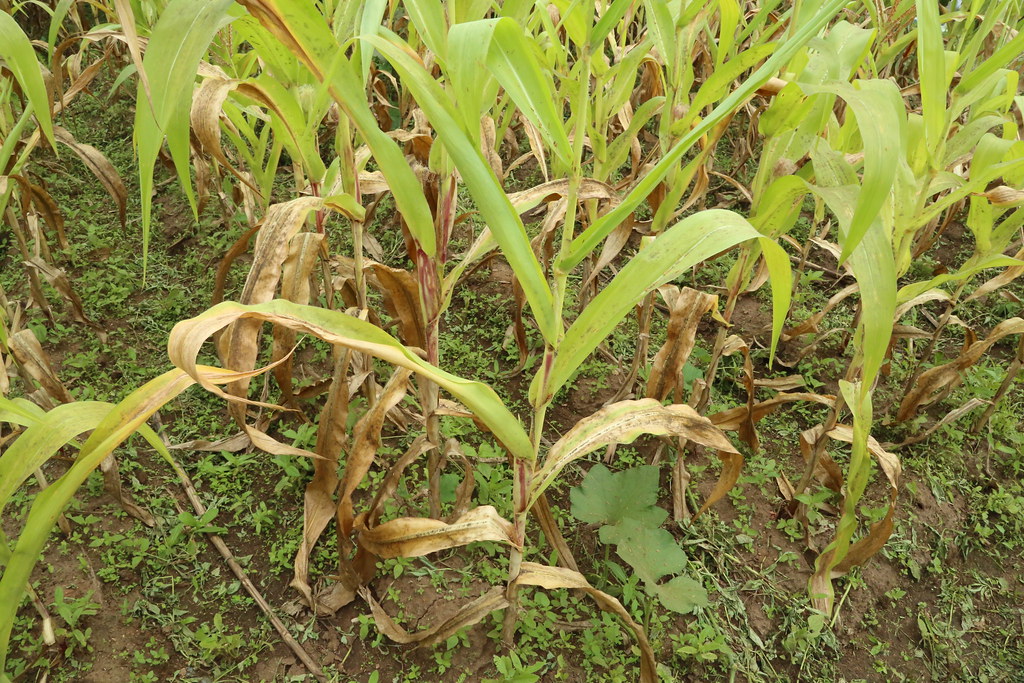
Maize farmers often face a simple problem before sowing: getting good hybrid seed at the right time and at a reasonable price. Most hybrid maize seed production is concentrated in southern India. ICAR is now expanding production locations to make some of its hybrids more accessible to farmers elsewhere.
Many commercial maize hybrids are produced in Andhra Pradesh and Telangana. When seed has to travel long distances, transportation can add to the final price. Delays can also create problems when farmers need seed within a short sowing window.
ICAR-Indian Institute of Maize Research has developed 25 maize hybrids over the past seven years. The institute says these hybrids have received official notification, while another 15 hybrids are in the pipeline for release and notification.
The institute has now started branding and selling its own hybrid seed. Initial consignments of LQMH 1, IMH 221, IMH 229, DMRH 1308 and IMH 222 are being sent to Himachal Pradesh, Jammu and Kashmir and West Bengal.
What Makes Hybrid Seed Different?
Hybrid seed is produced by crossing selected parent lines to combine desirable traits. Farmers usually get stronger performance from the first-generation hybrid when they use fresh certified seed.
But farmers should not save hybrid seed from their harvested crop for planting the next season. The resulting plants may not retain the same combination of traits and can give uneven crop performance.
This makes reliable seed supply important. If farmers cannot get the recommended hybrid at the right time, they may be forced to use another variety or delay sowing. Both choices can affect crop performance.
ICAR-IIMR is working with the West Bengal government and the West Bengal State Seed Corporation to establish and standardise seed production sites in the state. The aim is to reduce dependence on distant seed-producing regions.
Local or regional seed production can reduce transportation requirements and improve availability. It can also create opportunities for trained seed producers and local agencies to participate in the seed supply chain.
But farmers should not assume that locally produced seed is automatically better. They should still check whether the hybrid is officially recommended for their region, whether the seed is certified and whether the seller provides proper labelling.
Farmers should choose maize hybrids according to their local conditions rather than selecting a variety only because it has a high yield in another state.
Important factors include crop duration, rainfall, irrigation, soil type, pest pressure and the purpose of cultivation. A farmer growing maize for grain may have different requirements from one growing maize for fodder or another market.
Farmers should ask their Krishi Vigyan Kendra or agriculture department which hybrids are recommended locally. Seed companies and dealers should also provide the variety name, lot information, germination details and other required information on the packet.
Seed Quality Matters as Much as Variety
Even a good hybrid can perform poorly if the seed is old, damaged or stored badly. Farmers should check the packing date, validity, lot number and germination information before buying.
Seed packets should be purchased from reliable and authorised sources. Farmers should keep the purchase bill and packet label until the crop is harvested. These documents can become important if there is a serious quality problem.
Recent complaints from farmers in Odisha over alleged crop losses linked to defective seeds have also highlighted the importance of keeping purchase records and using formal channels when seeking compensation.
Farmers should first estimate the seed requirement based on their field size and recommended plant population. Buying extra seed without a clear need can increase costs.
They should also avoid waiting until the last moment. Early purchase gives farmers more time to check the variety, compare prices and verify whether it is recommended for their location.
If a new hybrid is being introduced in the area, farmers can first try it on a small portion of land. Comparing it with the locally recommended variety can give useful information before adopting it across the entire farm.
Better Seeds Need Better Access
Maize is an important crop for food, animal feed and industrial uses. Its demand also connects farmers to the livestock and poultry sectors, where maize is a major feed ingredient.
ICAR-IIMR’s move to expand seed production sites could make some hybrids easier to access outside traditional seed-producing regions. But farmers should judge every hybrid on local performance, seed quality, cost and market demand.
For farmers, the lesson is simple: do not choose maize seed only by the name on the packet. Check whether the hybrid suits your area, buy from a reliable source and keep the purchase records. Good seed selection can be one of the easiest ways to avoid problems before the crop even reaches the field.
Also Read: Punarnava Jal – The world’s first organic fertilizer! Know how it is beneficial for farmers?
Contact us – If farmers want to share any valuable information or experiences related to farming, they can connect with us via phone or whatsapp at 9599273766 or you can write to us at “kisanofindia.mail@gmail.com”. Through Kisan of India, we will convey your message to the people, because we believe that if the farmers are advanced then the country is happy.
You can connect with Kisan of India on Facebook, Twitter, and Whatsapp and Subscribe to our YouTube channel.