



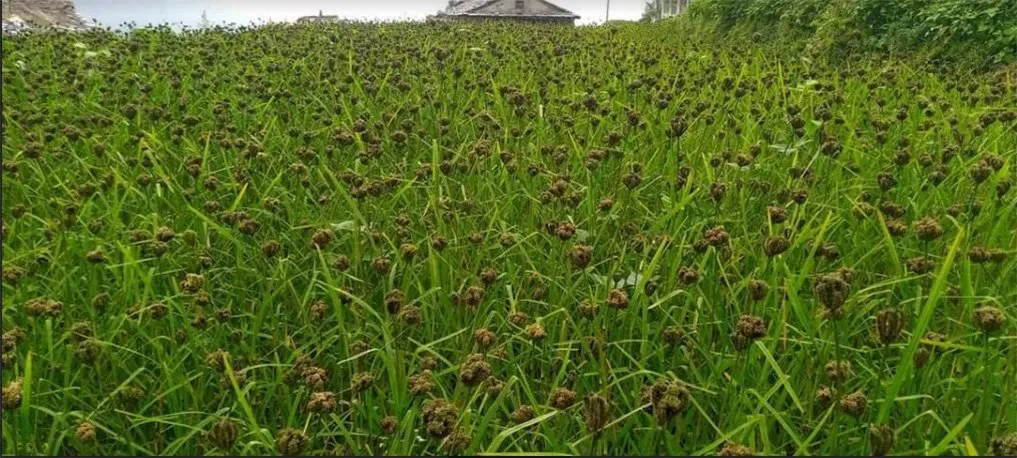
Millet farming is increasing in many Indian states as farmers search for crops that survive difficult weather conditions. Rising temperatures and irregular rainfall affected rice and wheat cultivation in several regions during recent years. Because of this, many farmers are returning to millets like bajra, ragi, and jowar. Agriculture experts say millets require less water and can survive in dry conditions. Government promotion campaigns and growing urban demand also encouraged farmers to expand millet cultivation during the current season.
Demand for Healthy Grains Increases
Urban consumers are buying more millet-based products because of health awareness. Supermarkets and food companies now sell millet flour, snacks, and ready-to-cook products in many cities. Farmers say this demand has improved market prices compared to earlier years. In Karnataka and Rajasthan, some farmer groups signed supply agreements with food processing companies. These agreements gave growers stable buyers before the harvest season. Experts believe value-added millet products may create stronger rural income opportunities in coming years.
Climate Conditions Support Millet Cultivation
Millets are gaining attention because they can survive difficult climate conditions better than many other crops. Farmers in dryland regions say millet crops continued growing even when rainfall was delayed. This year, several districts in Maharashtra reported better millet performance during heat stress periods. Agricultural scientists are also promoting climate-resilient seed varieties to improve productivity. Many farmers now see millets as a safer crop option during uncertain weather patterns.
Government Push Supports Production
The government continues promoting millet farming after the International Year of Millets campaign increased global attention. State agriculture departments are conducting awareness programs and seed distribution drives in villages. Farmers also receive training about millet processing and storage methods. In some states, millet procurement systems improved this year to encourage more production. Experts say stable procurement and processing support are important if farmers want to continue expanding millet cultivation.
Processing Units Create Rural Jobs
Millet processing units are opening in several rural areas to meet growing demand. These units clean, package, and process grains for urban markets. Farmer Producer Organizations are also investing in small processing centers with government support. Women self-help groups are preparing millet snacks and flour products for local sale. This has created new income opportunities beyond traditional farming. Experts believe rural food processing may become an important part of the millet economy.
Export Opportunities Continue to Grow
Indian millet exports increased after international buyers showed interest in climate-friendly grains. Countries in Europe and the Middle East imported more millet products this year. Exporters say organic millet demand is also rising in foreign markets. Farmers who follow organic methods may receive better prices through export-linked buyers. Agricultural trade experts believe India can become a stronger global millet supplier if quality standards improve further.
Farmers Face Some Challenges
Despite growing demand, millet farmers still face challenges. Processing infrastructure remains limited in some districts. Farmers also need better storage systems to prevent grain damage after harvest. Market prices can change sharply when procurement support is weak. Some growers say awareness among consumers is still limited outside major cities. Experts stress the need for stable market systems and farmer training to maintain millet farming growth.
Millets May Shape Future Crop Planning
Millets are slowly returning to regular crop planning in many states. Farmers now view them as both climate-resistant and market-friendly crops. Rising health awareness and government support are helping the sector grow. Agriculture experts believe millets may play an important role in future food security planning because they require fewer resources compared to many traditional crops. This shift could change farming patterns across dryland regions over the next decade.
Also Read: Punarnava Jal – The world’s first organic fertilizer! Know how it is beneficial for farmers?
Contact us – If farmers want to share any valuable information or experiences related to farming, they can connect with us via phone or whatsapp at 9599273766 or you can write to us at “kisanofindia.mail@gmail.com”. Through Kisan of India, we will convey your message to the people, because we believe that if the farmers are advanced then the country is happy.
You can connect with Kisan of India on Facebook, Twitter, and Whatsapp and Subscribe to our YouTube channel.