



Farmers often lose part of their produce because fruits, vegetables and spices cannot be stored for long. Drying can extend shelf life, but traditional open-sun drying exposes produce to dust, insects, rain and uneven drying. Low-cost solar dryers offer another option for small farmers and rural enterprises.
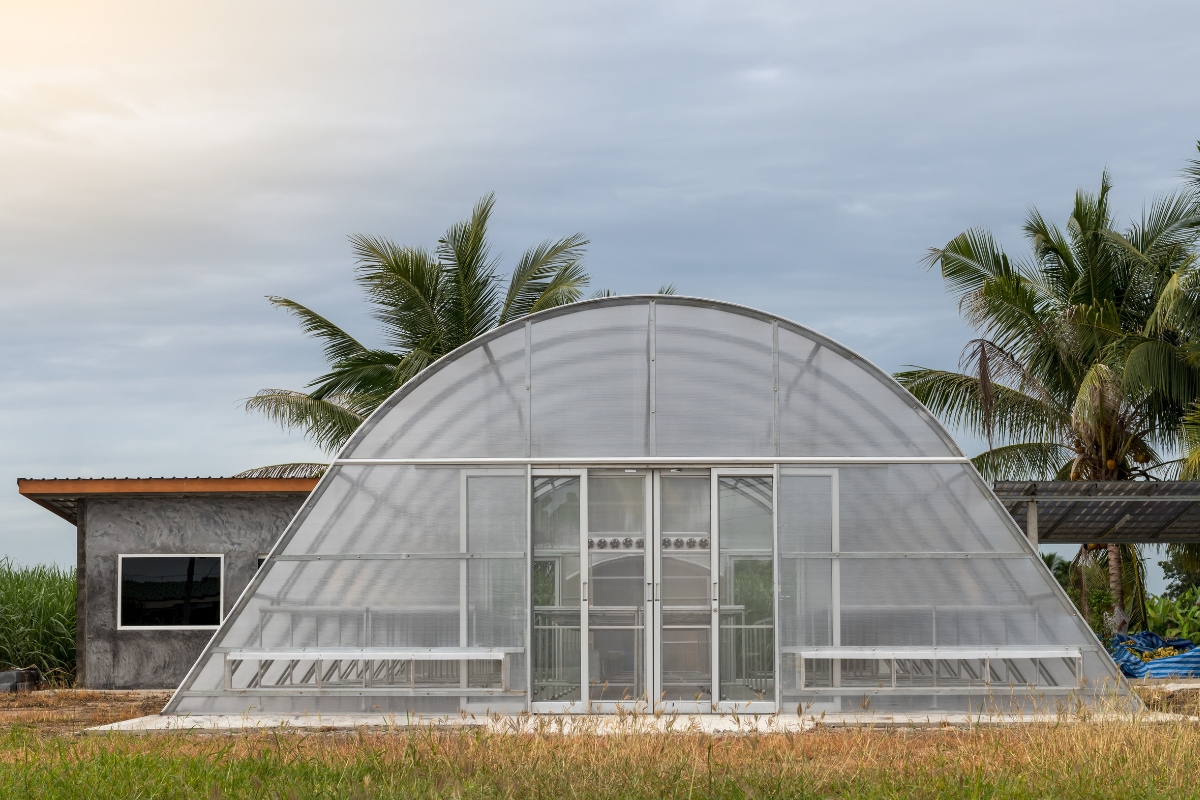
ICAR has documented a solar dryer developed by a young innovator in Nagaland using locally available and recycled materials. The unit uses bamboo, wood, aluminium cans and recycled fan parts. It was designed to dry products such as kiwi, persimmon, turmeric and king chilli while protecting them from dust, pests and direct sunlight.
The reported cost is ₹5,000–8,000, making it far cheaper than many industrial dryers. ICAR says the system can reduce drying time by about 30% and has a reported benefit-cost ratio of 2.8:1. The figures come from the documented innovation and should not be treated as guaranteed returns for every farm.
Why Is Solar Drying Useful?
Open-sun drying remains common in many farming areas because it costs little. But it can take several days and depends heavily on weather. Rain, high humidity and contamination can damage produce before it reaches the desired moisture level.
A solar dryer creates a more controlled environment. Solar heat warms the air inside the drying chamber, while airflow helps remove moisture from the produce. The crop does not need to remain directly exposed to sunlight, which can help protect colour and quality.
ICAR-Central Institute of Agricultural Engineering has developed larger solar drying systems for farm-level use. Its technology park in Bhopal includes a one-tonne IoT-based smart solar dryer with sensors that monitor temperature and humidity and automatically activate aeration when required.
The larger dryer reduced drying time for green chilli and maize to about three to four days, compared with six to seven days under open-sun drying in the institute’s evaluation. A 200-kg solar dryer with auxiliary heating can dry products such as pigeonpea dal and wheat in about four to five days, compared with seven to eight days in open-sun conditions.
The biggest advantage of the Nagaland model is its low entry cost. The dryer was designed using materials that can be sourced locally, which can make construction and maintenance easier for small farmers.
Its modular design allows it to be adapted for different crops and climatic conditions. A small farmer can potentially use it during the harvest season for fruits, vegetables and spices and then use the same equipment for another crop later.
But farmers should first identify what they want to dry. Kiwi, chilli, turmeric, vegetables and grains have different moisture levels and drying requirements. A design that works well for one product may need changes for another.
Farmers should also calculate the quantity they produce. A ₹5,000–8,000 dryer may make sense for a farmer or small group handling several batches of high-value produce. Someone with only a few kilograms of surplus may find the equipment less useful.
Can Drying Create Another Income?
Drying changes the product from something highly perishable into something that can potentially be stored and sold later. This can give farmers more flexibility when fresh-market prices are low or when transportation is difficult.
For spices such as turmeric and king chilli, drying can also become the first step towards further processing. Farmers can sell dried whole products, powder them or develop packaged products if they have the required facilities and comply with food-safety rules.
ICAR-NIRCA has been promoting scientific drying and post-harvest processing among chilli and turmeric farmers and FPOs. Its training programmes have focused on reducing losses, improving product quality and achieving better market returns through improved drying technology.
A farmer group can make the economics stronger by sharing equipment. Instead of every farmer purchasing a dryer, an FPO, self-help group or Custom Hiring Centre can operate one unit and charge members for drying services.
What About Rainy Weather?
Solar drying depends on sunlight, so cloudy and rainy periods can reduce drying performance. This is why some larger systems include auxiliary heating.
ICAR-CIAE’s 200-kg solar dryer has a biomass or electric heating system that can provide additional heat when solar radiation is insufficient. This makes the system more useful in areas where weather changes during the drying season.
Small farmers do not necessarily need an expensive backup system. They can plan drying during periods of better weather, use smaller batches and make sure the dryer has good ventilation. But farmers in high-rainfall areas should consider backup heating before investing.
The goal should be consistent drying rather than simply faster drying. If the outer surface dries too quickly while moisture remains inside, the product can develop quality problems during storage. Temperature, airflow and drying time therefore need to be managed according to the crop.
Should Farmers Buy One?
Farmers should first calculate how much produce they normally lose or sell at a low price because it cannot be stored. If the value of recoverable produce is regularly higher than the cost of operating and maintaining a dryer, the investment may make sense.
An FPO or SHG may have a stronger case because one dryer can serve many farmers. The group can collect produce, dry it, package it and market it collectively. This also creates an opportunity to develop products rather than selling only raw farm produce.
Farmers should also compare solar drying with other options such as mechanical dryers, community processing units and existing government-supported facilities. The cheapest machine is not always the best option if it cannot handle the quantity or crops produced locally.
Solar drying is therefore not simply a machine for reducing post-harvest losses. It can become part of a small processing business. For farmers growing high-value but perishable crops, a low-cost dryer can provide more control over when and how the produce reaches the market.
The Nagaland example shows that farm machinery does not always have to be expensive or highly complicated. Locally available materials and simple designs can sometimes solve a practical problem. The key is to match the technology with the crop, production volume and market opportunity.
Also Read: Punarnava Jal – The world’s first organic fertilizer! Know how it is beneficial for farmers?
Contact us – If farmers want to share any valuable information or experiences related to farming, they can connect with us via phone or whatsapp at 9599273766 or you can write to us at “kisanofindia.mail@gmail.com”. Through Kisan of India, we will convey your message to the people, because we believe that if the farmers are advanced then the country is happy.
You can connect with Kisan of India on Facebook, Twitter, and Whatsapp and Subscribe to our YouTube channel.