



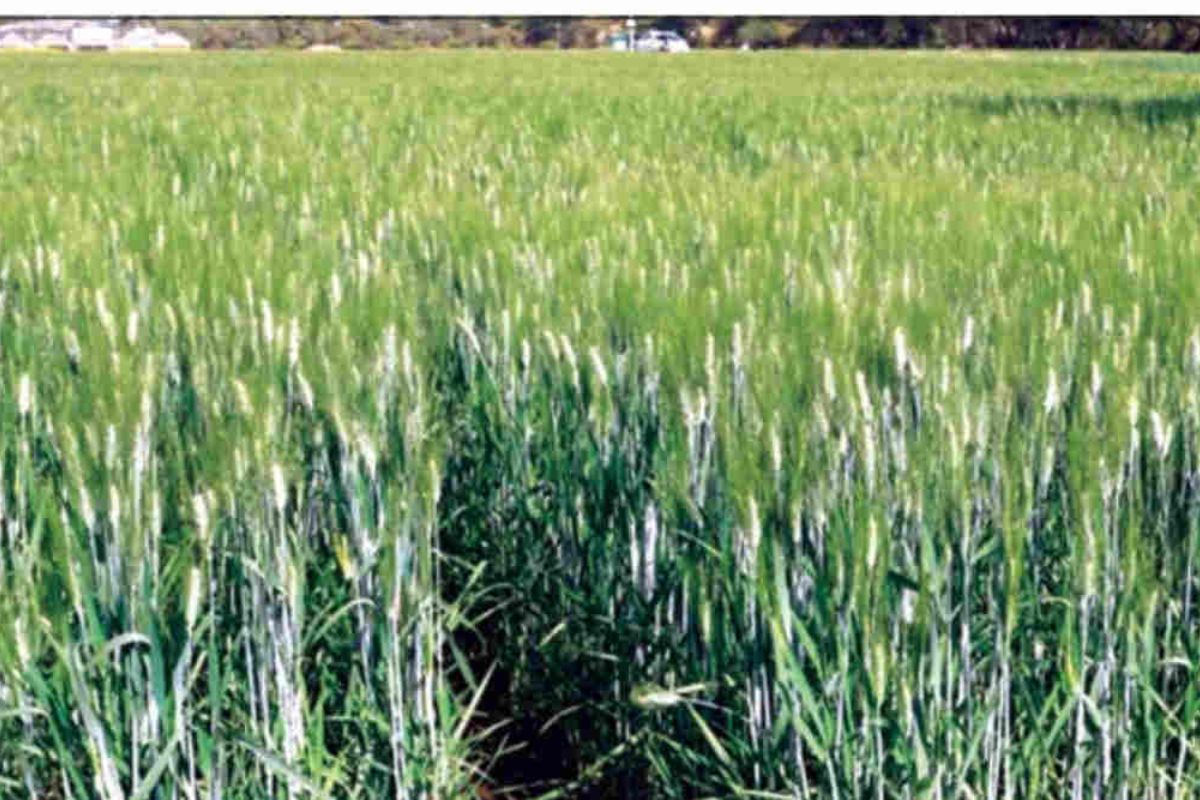
Farmers preparing for the Rabi season can book wheat and barley seed through the ICAR-Indian Institute of Wheat and Barley Research seed portal. The portal’s 2026 notification says farmer registration and seed booking opened on September 15.
The portal was created to provide farmers with recent wheat and barley varieties developed by ICAR-IIWBR. Farmers from 13 wheat-growing states have used the system, including Jammu and Kashmir, Punjab, Haryana, Uttar Pradesh, Rajasthan and Madhya Pradesh.
Farmers register online by providing basic details such as their name, address, mobile number, state and other required information. The system uses a one-time password for confirmation before a farmer can complete the booking. The portal also asks farmers to select a variety and quantity. ICAR says registered farmers are grouped according to state and district, with collection information communicated through messages.
Which wheat varieties are available?
The IIWBR portal currently lists several wheat varieties, including DBW 370, DBW 371, DBW 372, DBW 327, DBW 359, DBW 386, DBW 425, DBW 426 and DBW 443.
The varieties differ in sowing time, agro-climatic zone and other characteristics. Farmers should not select a variety simply because it is newer. The recommended zone and sowing condition should come first.
Some IIWBR varieties are specifically recommended for parts of Jammu and Kashmir. The portal lists DBW 327 for parts of J&K, including Jammu and Kathua districts, within the North Western Plains Zone. That does not mean every IIWBR variety is suitable throughout J&K. Farmers should check the recommended zone, altitude, sowing condition and local agricultural advice before booking seed.
What is DBW 370?
DBW 370, also called Karan Vaidehi, is listed for early sowing under irrigated conditions in the North Western Plains. DBW 371 and DBW 372 are also listed for early sowing under irrigated conditions in the same zone. The three varieties were recommended by the Central Sub-Committee for Release and Notification of Varieties in 2023. Farmers should check whether their district falls within the recommended area before choosing them.
Wheat varieties are developed and recommended for particular sowing windows. A variety suited to early sowing may not perform in the same way when planted much later. Farmers should therefore consider the date when their fields will be ready, irrigation availability and the variety’s recommended sowing period. Seed selection should fit the farm calendar rather than the other way around.
The IIWBR portal provides truthfully labelled, or TL, seed of selected varieties. ICAR has used the portal to distribute such seed directly to farmers. Truthfully labelled seed carries information about the seed’s stated quality and identity under the applicable seed rules. Farmers should still check the label, variety name, lot information and source before purchasing or collecting seed.
The portal has attracted substantial demand. ICAR reported 27,876 bookings for 1,863.95 quintals of TL seed from 13 states within 20 hours of the portal opening in an earlier booking cycle. The system has also recorded registrations from farmers across 13 wheat-growing states. This includes Jammu and Kashmir, making the platform relevant to farmers in parts of the Union Territory.
Can farmers book barley seed too?
Yes. The IIWBR portal also lists barley varieties. These include DWRB 160, DWRB 123, DWRB 244, DWRB 182, DWRB 137 and DWRB 223.
Different barley varieties are intended for different purposes and growing conditions. Farmers should check whether a variety is meant for malt, feed or another use before making a selection.
No. Yield depends on the variety, soil, irrigation, sowing date, temperature, fertiliser management and disease pressure. A variety developed for one zone may perform differently elsewhere. Farmers should look at local trial results and recommendations rather than assuming that the newest variety will automatically produce a higher yield on their farm.
Farmers should first check the recommended zone and sowing period. They should then compare maturity duration, disease resistance, irrigation requirements and the intended use of the grain. They should also check the quantity available through the portal. Seed availability can change quickly, especially when demand is high.
The portal asks farmers to select the required variety and quantity during registration. The quantity available to each farmer can depend on the seed stock and the portal’s current booking rules. Farmers should check the current portal instructions before completing their booking. They should not assume that every listed variety will remain available throughout the booking period.
How do farmers collect the seed?
ICAR’s digital seed system groups registered farmers by state and district. Farmers are informed about the collection date and time through messages, allowing distribution to be organised rather than handled entirely on a first-come basis.
The system also supports digital payments, including QR code, net banking and card payments, according to ICAR’s description of the portal.
A variety name does not tell farmers whether it fits their field. Wheat is grown across different agro-climatic zones, and varieties are released for specific conditions. For example, DBW 327 is listed for early-sown irrigated conditions in the North Western Plains Zone. Farmers outside its recommended area should first check whether it is suitable for their location.
What if farmers cannot access the portal?
Farmers who cannot use the online system can seek help from local Krishi Vigyan Kendras, agriculture departments or agricultural universities. These organisations can also help farmers understand which varieties are recommended for their area.
Farmers should use official seed sources and avoid purchasing seed solely from unverified online sellers or dealers making unsupported claims about yield.
The IIWBR seed portal gives farmers a direct route to several wheat and barley varieties developed by the research institute. The 2026 portal notification says bookings opened on September 15, making the information timely for farmers planning Rabi sowing.
The important step is to match the variety with the farm. Farmers should check their district, sowing window, irrigation conditions and the variety’s recommended zone before booking. A suitable variety is more useful than simply choosing the newest seed available.
Also Read: Punarnava Jal – The world’s first organic fertilizer! Know how it is beneficial for farmers?
Contact us – If farmers want to share any valuable information or experiences related to farming, they can connect with us via phone or whatsapp at 9599273766 or you can write to us at “kisanofindia.mail@gmail.com”. Through Kisan of India, we will convey your message to the people, because we believe that if the farmers are advanced then the country is happy.
You can connect with Kisan of India on Facebook, Twitter, and Whatsapp and Subscribe to our YouTube channel.