


Floating Solar Pumps Are Changing Irrigation in Eastern Uttar Pradesh

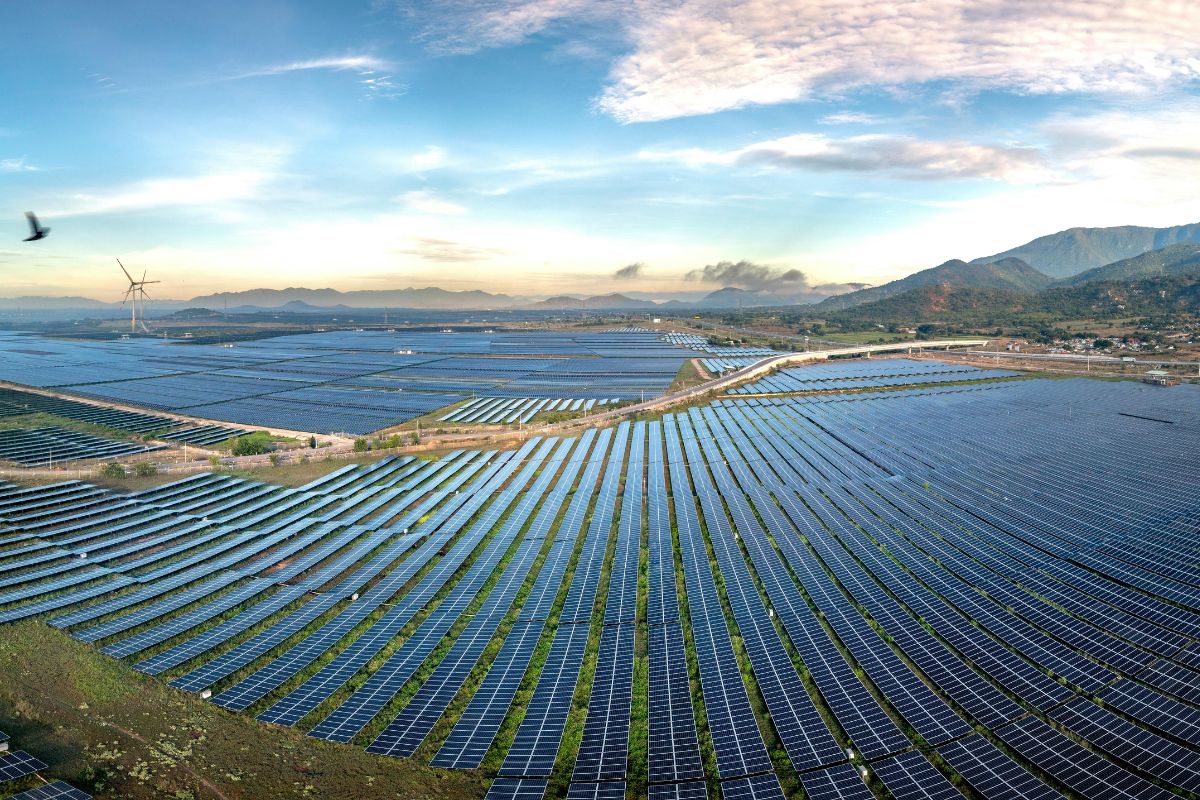
In several districts of eastern Uttar Pradesh, farmers are beginning to install floating solar pump systems on ponds, irrigation tanks, and village water bodies instead of nearby agricultural land. The panels generate electricity while powering irrigation pumps used for vegetable cultivation, paddy farming, and small horticulture plots.
Researchers studying renewable agriculture say floating systems are gaining attention because they save land space while reducing water evaporation from open ponds during extreme summer temperatures. Agriculture experts believe such systems may become increasingly important in densely cultivated rural regions where both land and water remain under pressure.
For years, small farmers depended heavily on diesel pumps for irrigation during weak rainfall periods. Rising fuel prices sharply increased cultivation costs across several farming regions in Uttar Pradesh, especially for vegetable growers requiring repeated watering cycles.
Researchers say irrigation expenses now consume a major share of small farmers’ seasonal budgets. Floating solar systems reduce fuel dependence while providing longer-term irrigation stability. Agriculture experts believe renewable-energy irrigation may expand rapidly because energy costs increasingly determine whether small-scale farming remains profitable during climate uncertainty.
Many traditional ponds across rural Uttar Pradesh gradually lost agricultural importance after groundwater extraction and borewell irrigation expanded during previous decades. Some water bodies became neglected or partially encroached upon over time.
Now floating solar systems are bringing renewed economic value to village ponds. Researchers say combining renewable energy with traditional water storage creates dual-use infrastructure supporting both irrigation and local electricity generation. Agriculture experts believe restoring water bodies alongside climate-smart farming systems may become critical in regions facing groundwater stress and rising temperatures.
Heatwaves Are Increasing Water Pressure
Eastern Uttar Pradesh increasingly experiences stronger summer heatwaves and irregular rainfall patterns affecting crop cycles and irrigation demand. Researchers studying climate-linked agriculture say rising temperatures increase evaporation losses rapidly from both soil and open water sources.
Floating solar panels partially shade pond surfaces, reducing direct sunlight exposure and slowing evaporation. Agriculture experts say even small reductions in water loss become important during prolonged dry periods. Some researchers now study whether floating systems can improve long-term water management efficiency in vulnerable agricultural districts.
Vegetable growers are among the earliest adopters because crops such as tomato, chilli, cucumber, bottle gourd, and leafy vegetables require reliable irrigation throughout the season. Researchers say unstable water supply directly affects both yield and market quality in horticulture farming.
Agriculture experts believe decentralized irrigation systems allow farmers greater flexibility compared to waiting for irregular electricity supply schedules. Some floating systems also support drip irrigation networks designed to reduce water use further in small farming plots.
Interest in solar irrigation expanded after central and state-level renewable energy programmes promoted solar pumps across rural India. Researchers say farmers increasingly view solar irrigation as both a cost-saving and climate-adaptation investment under unstable weather conditions.
Agriculture experts believe floating systems may gain stronger attention in states with:
high population density,
limited land availability,
and large networks of ponds or water bodies.
Several districts are now testing pilot models through local agriculture and renewable energy departments.
Rural Irrigation Is Slowly Becoming Renewable
For decades, irrigation depended mainly on diesel engines, electric tube wells, and groundwater extraction. Floating solar pumps represent a different direction where water management and renewable energy become linked directly inside farming systems.
Researchers say future agriculture may depend heavily on decentralized energy systems capable of operating under climate stress and rising fuel costs. In eastern Uttar Pradesh, farmers are now turning village ponds into small energy-producing irrigation hubs supporting crops during increasingly uncertain seasons.
Also Read: Punarnava Jal – The world’s first organic fertilizer! Know how it is beneficial for farmers?
Contact us – If farmers want to share any valuable information or experiences related to farming, they can connect with us via phone or whatsapp at 9599273766 or you can write to us at “kisanofindia.mail@gmail.com”. Through Kisan of India, we will convey your message to the people, because we believe that if the farmers are advanced then the country is happy.
You can connect with Kisan of India on Facebook, Twitter, and Whatsapp and Subscribe to our YouTube channel.