


Integrated Farming Gives Mizoram Farmers More Than One Source of Income

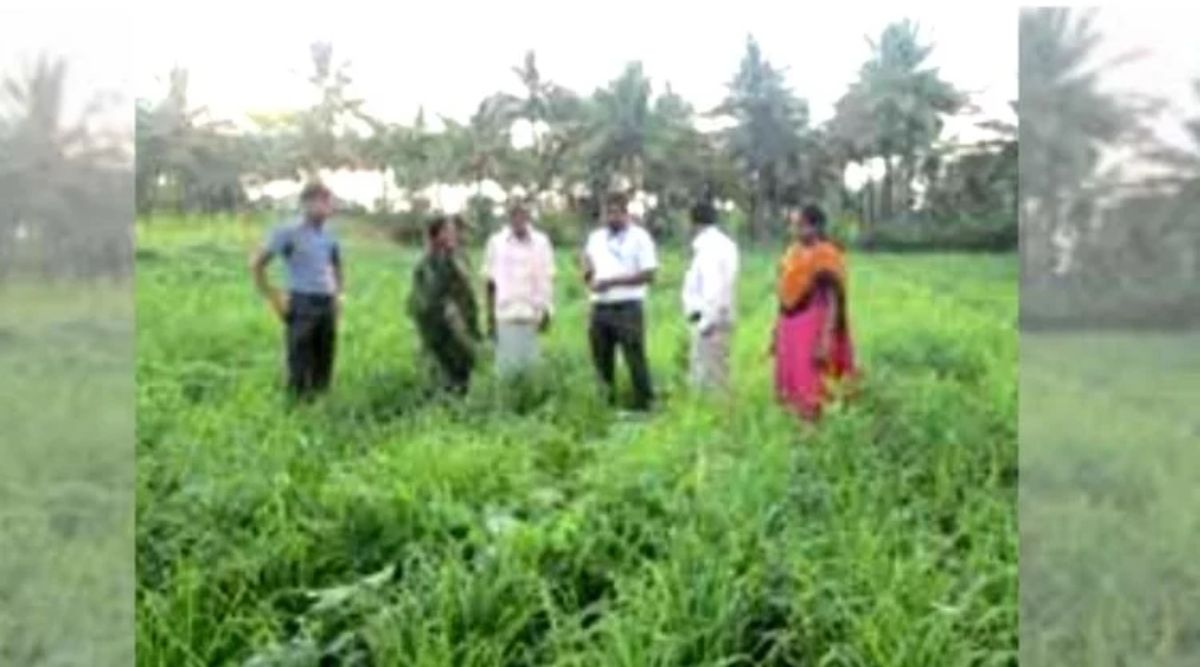
Farmers in Mizoram are combining crops, livestock and other farm activities on the same farms as an alternative to relying on a single source of income.
ICAR has highlighted integrated farming systems as a potential option for Mizo farmers. The approach combines different agricultural activities so that crops, animals and other farm resources can support each other.
For farmers working on small and hilly holdings, the model can help make better use of available land and farm resources.
One farm, several activities
An integrated farming system can include crop cultivation, livestock, poultry, fishery, horticulture or other activities depending on the local conditions. The idea is to connect these activities instead of managing each one separately.
Crop residues can become livestock feed or compost. Animal manure can be used to improve soil fertility. Farm ponds can support fish production while also providing water for other activities.
This creates a cycle in which material from one activity can become an input for another. For small farmers, this can reduce dependence on purchased inputs while creating more than one possible source of farm income.
Mizoram’s hilly terrain limits the availability of large areas of level agricultural land. Farmers therefore need production systems that can work with smaller and uneven holdings. ICAR has described integrated farming as a potential alternative for Mizo farmers because it can improve livelihoods while supporting ecosystem services and reducing pressure on natural resources.
The model also spreads risk. If income from one crop falls because of poor weather or weak prices, farmers may still earn from livestock, vegetables, poultry or other activities. This does not remove farm risks, but it can prevent the household from depending entirely on one crop.
Farm waste can become another input
One advantage of integrated farming is the ability to reuse materials produced on the farm.
Crop residues that are not needed for food or fodder can be used for composting. Animal manure can return nutrients to the soil.
This can reduce the amount of organic material leaving the farm and lower spending on some external inputs.
Farmers still need to manage these resources carefully. Poorly prepared manure or compost can create problems, while livestock feed must meet the nutritional needs of the animals.
The goal is not simply to add more activities. Each activity needs to support the others.
Integrated farming does not follow one fixed model. A farmer with enough water may combine vegetables, fish and poultry. Another farmer may focus on fruit trees, livestock and fodder. In hilly areas, horticulture and livestock may be more suitable than water-intensive crops.
The right combination depends on land, water, labour, market demand and household resources.
Farmers also need to consider how much time each activity requires. Adding too many enterprises can increase labour demands and make farm management harder.
Local agricultural experts can help farmers select activities suited to their conditions.
More than production, it is about farm planning
The strength of integrated farming lies in planning the farm as one system.
A farmer can decide which crop residues will be used as feed, how manure will be returned to the field and which products have a reliable local market.
This can also help farmers reduce waste and use resources that might otherwise have little value.
For tribal and small farmers, such systems can be particularly useful when land is limited and household labour is available.
ICAR’s recent work in Mizoram points to integrated farming as one possible route towards better livelihoods and more sustainable use of farm resources.
The practical lesson is simple. Farmers do not always need to expand their land to increase farm income. They can also look at how different activities on the same farm can work together.
For Mizoram’s small farmers, combining crops, livestock and other enterprises could provide a more diverse income base while making better use of the resources already available on the farm.
Also Read: Punarnava Jal – The world’s first organic fertilizer! Know how it is beneficial for farmers?
Contact us – If farmers want to share any valuable information or experiences related to farming, they can connect with us via phone or whatsapp at 9599273766 or you can write to us at “kisanofindia.mail@gmail.com”. Through Kisan of India, we will convey your message to the people, because we believe that if the farmers are advanced then the country is happy.
You can connect with Kisan of India on Facebook, Twitter, and Whatsapp and Subscribe to our YouTube channel.