



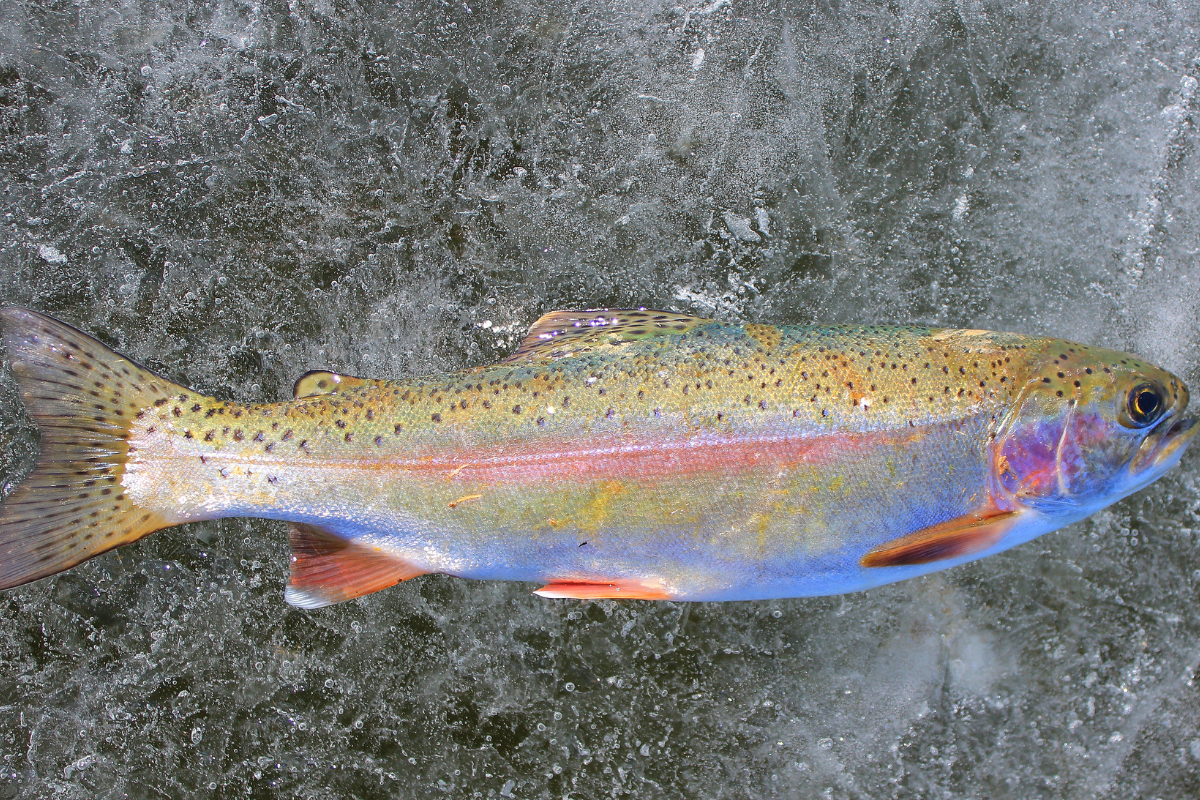
Meghalaya could see new opportunities in high-value fish farming after the ICAR-Directorate of Coldwater Fisheries Research (ICAR-DCFR) identified potential sites for rainbow trout farming in Mawphlang in East Khasi Hills. The assessment marks a step towards expanding coldwater aquaculture beyond India’s traditional trout-producing regions.
Rainbow trout requires cool, clean and well-oxygenated water, making suitable farming locations limited. The identification of potential sites in Meghalaya could allow farmers in the hill state to explore a new form of aquaculture suited to its local geography.
Why Trout Farming Is Different
Unlike carp and other commonly farmed fish, rainbow trout needs colder water and high oxygen levels.
Farmers need reliable water sources, suitable temperatures and good-quality feed to maintain production. The fish also requires careful management because water quality can quickly affect growth and survival.
This makes site selection one of the most important parts of trout farming.
ICAR-DCFR’s assessment in Mawphlang is aimed at identifying locations where these conditions are available naturally.
Meghalaya’s Hill Areas Offer Potential
Meghalaya has a large network of streams, springs and other water resources across its mountainous terrain.
The identification of suitable trout farming locations could allow farmers to use these natural conditions for high-value aquaculture. It could also create an alternative source of income for rural households that have limited opportunities for conventional crop cultivation on steep terrain.
The focus on Mawphlang in East Khasi Hills is particularly relevant because the area’s elevation and water resources can provide conditions suitable for coldwater fish production.
High-Value Fish Can Create New Income
Trout generally commands a higher market price than many commonly farmed freshwater fish.
This creates an opportunity for farmers to target premium markets, including hotels, restaurants and consumers looking for high-value fish. The business can also create demand for local services such as hatcheries, feed supply, transportation and fish processing.
For Meghalaya, developing a local trout value chain could allow farmers to earn from both production and activities after harvesting.
Research Comes Before Expansion
The identification of potential sites does not mean commercial trout farming can begin everywhere.
Farmers need reliable assessments of water temperature, flow, oxygen levels, disease risks and year-round water availability before investing in infrastructure.
ICAR-DCFR’s role is important because scientific site assessment can reduce the risk of farmers investing in unsuitable locations. The institute’s work can also help determine the management practices required for successful trout production under Meghalaya’s conditions.
A New Aquaculture Option for the Northeast
Coldwater aquaculture has been concentrated in a limited number of Indian regions. Meghalaya’s emerging potential could help expand the sector into another part of the Northeast.
For farmers, trout farming could offer a high-value alternative where conventional agriculture is constrained by terrain and climate.
The next step will be to test identified sites through controlled farming, establish access to quality seed and feed, and develop reliable markets. If these links are built successfully, rainbow trout could become a new source of rural income in Meghalaya while adding another high-value activity to India’s growing aquaculture sector.
Also Read: Punarnava Jal – The world’s first organic fertilizer! Know how it is beneficial for farmers?
Contact us – If farmers want to share any valuable information or experiences related to farming, they can connect with us via phone or whatsapp at 9599273766 or you can write to us at “kisanofindia.mail@gmail.com”. Through Kisan of India, we will convey your message to the people, because we believe that if the farmers are advanced then the country is happy.
You can connect with Kisan of India on Facebook, Twitter, and Whatsapp and Subscribe to our YouTube channel.