
Hybrid Tomato Cultivation in February: Step-by-Step Guide

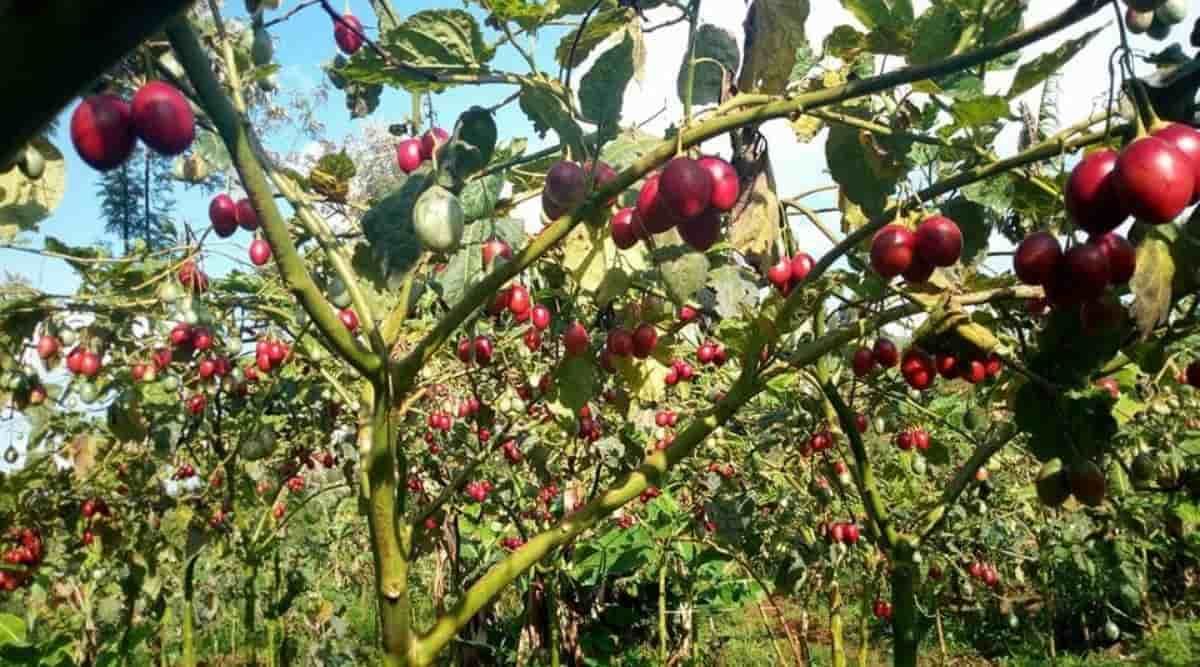
February offers moderate temperatures that support strong vegetative growth in tomato plants. The weather during this month is neither too cold nor too hot, making it suitable for starting hybrid tomato cultivation. If farmers raise seedlings in early February and transplant them on time, the first harvest can begin by late March or early April, ensuring an early market advantage.
Seed selection plays a decisive role in tomato cultivation. A wrong variety can lead to crop loss due to viral infections or fungal diseases. Farmers should select disease-resistant hybrid varieties from certified and reliable sources. Popular hybrids include Adhiraj, Pusa Hybrid-4, Avinash-2, Red Gold, Shaktiman, 501, 2535, Swarn Sampada, and Swarn Vaibhav. For one acre, 80 to 100 grams of quality hybrid seed is sufficient. Investing in certified seeds reduces the risk of crop failure and improves yield potential.
Soil preparation is equally important. Hybrid tomatoes grow well in loamy or sandy loam soils with a pH range of 6.0 to 6.8. The field should be ploughed two to three times to achieve fine tilth. Farmers should incorporate 10 to 15 tonnes of well-decomposed cow dung manure or vermicompost per acre to improve soil fertility. Fertilizer application per acre should include 80–100 kg nitrogen, 50–60 kg phosphorus, and 60–80 kg potash. Half of the fertilizers should be applied as a basal dose during land preparation, while the remaining half should be given later in split doses. After fertilization, the field must be levelled and raised beds prepared for better drainage and root development.