



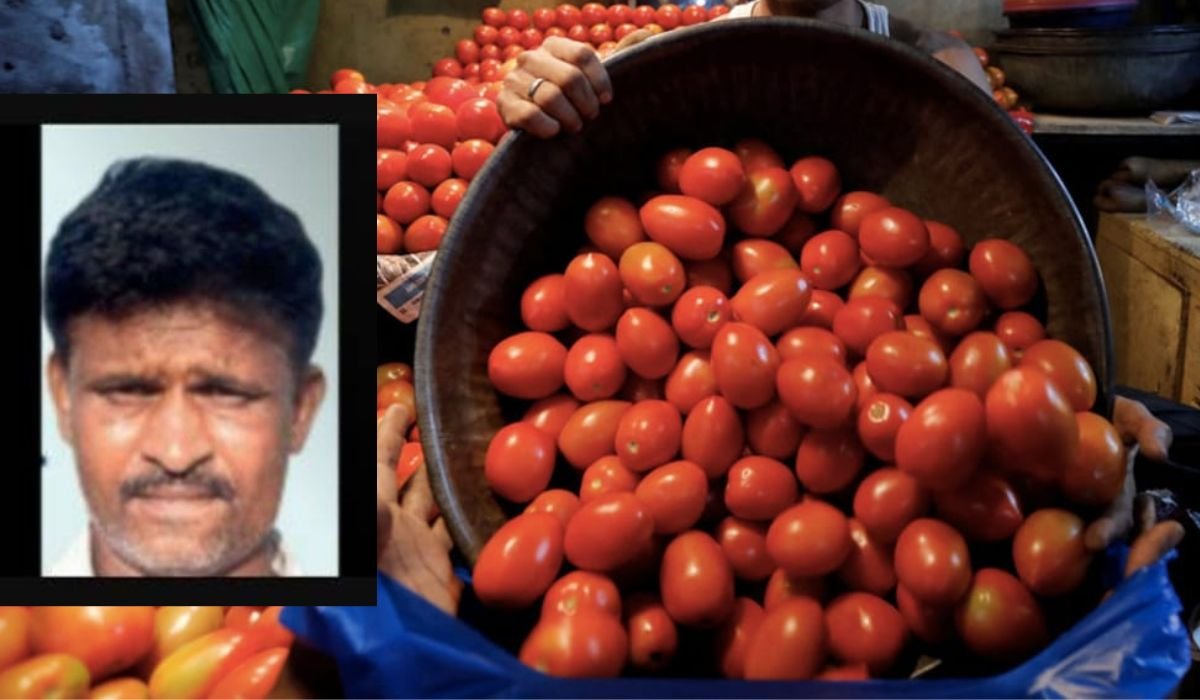
Tomato farming depends heavily on stable weather. The crop can suffer when temperatures rise sharply, rainfall becomes irregular or extreme weather arrives during flowering and fruit development. A September 2 report examining India’s tomato crop highlighted how heat and rainfall at the wrong stage are creating growing problems for producers. For tomato farmers, the issue is not simply how much rain falls during a season. The timing of weather events can also affect the crop.
Tomatoes grow across different regions and seasons in India, so the impact is not identical everywhere. A heatwave may damage one crop while intense rainfall affects another region. Farmers therefore need to manage their fields according to local weather conditions, soil and crop stage. As weather patterns become less predictable, planning based only on the traditional crop calendar may become more difficult.
Heat can affect flowering and fruit development
High temperatures can create problems during important stages of tomato growth. Flowering and fruit setting require suitable conditions. When temperatures become unusually high, plants may experience stress that affects their ability to develop healthy fruit.
Farmers may notice increased flower drop, weaker plant growth or other signs of heat stress depending on the severity and duration of high temperatures.
Water management becomes important during hot periods. But more irrigation is not always the answer. Overwatering can also damage roots and increase disease risks. Farmers need to assess soil moisture and crop conditions rather than irrigating according to a fixed schedule.
Mulching can help reduce moisture loss from the soil and limit direct exposure to high surface temperatures.
Tomatoes also face risks when intense rainfall arrives suddenly. Heavy rain can damage plants, increase waterlogging and create conditions that favour certain diseases. Rain can also affect the quality of fruits and make harvesting more difficult.
Fields with poor drainage face higher risks. Water remaining around plant roots for long periods can reduce oxygen availability and weaken the crop. Farmers should therefore examine drainage before planting tomatoes, particularly in areas that receive intense monsoon rainfall.
Raised beds can help in some situations by improving water movement away from the root zone. The right approach will depend on soil type and local rainfall patterns.
Weather timing can matter as much as total rainfall
A crop can receive sufficient rainfall during a season and still suffer losses.
This can happen when long dry periods occur during a sensitive growth stage or when intense rain arrives during flowering, fruit development or harvest. The September 2 analysis of India’s tomato crop points to this problem of extreme weather arriving at the wrong moment. Farmers should therefore pay attention to short-term weather forecasts during the crop cycle. A forecast of heavy rainfall can give farmers time to inspect drainage and harvest mature fruit where possible.
A forecast of unusually high temperatures can help farmers prepare irrigation and other field management measures. Weather information becomes most useful when farmers connect it with the stage of their crop.
Tomato farmers can examine varieties suited to their local climate and growing season. A variety that performs well in one region may not produce the same results elsewhere. Farmers should consider temperature tolerance, disease resistance, maturity period and market demand before selecting seed.
Agricultural universities and Krishi Vigyan Kendras can provide information about varieties tested under local conditions. Farmers should avoid changing their entire crop to a new variety without first testing its performance. A small trial can provide useful information about yield, fruit quality and resistance to local weather conditions. Seed selection becomes more important when weather conditions are becoming less predictable.
Polyhouses, shade nets and other protected cultivation systems can help farmers manage some weather-related risks.
These systems may provide greater control over rainfall exposure and temperature. But they also require investment and careful management. Protected cultivation is not suitable for every farmer or every location.
Farmers need to calculate construction, maintenance and operating costs before investing. They should also examine market demand. Producing tomatoes during a period of lower supply may offer better prices, but this is not guaranteed.
A higher investment needs a clear business plan.
Soil health can improve crop resilience
Healthy soil can help crops manage weather stress. Soils with better organic matter can hold water more effectively and support plant roots during dry periods. Good soil structure can also improve drainage during heavy rainfall.
Farmers can work on soil health through suitable organic matter management, crop rotation and other locally recommended practices. The aim should be to improve both water retention and drainage. These two needs may appear different, but healthy soil structure can support both. Farmers should test their soil and use recommendations suited to their own fields instead of applying the same practices everywhere.
Farmers need more than a fixed crop calendar
Tomato farming has traditionally depended on seasonal knowledge. That knowledge remains useful. But changing weather patterns mean farmers may also need to rely more on regular forecasts and field observations.
They can track:
- Maximum and minimum temperatures
- Rainfall forecasts
- Soil moisture
- Flowering and fruit development
- Signs of disease after rainfall
- Local market prices
This information can help farmers respond earlier when conditions change. A weather forecast cannot prevent crop damage.
It can give farmers more time to prepare.
The changing weather challenge does not affect every tomato farmer in the same way. One farmer may face heat stress. Another may face waterlogging. A third may experience both problems during the same season.
This is why local crop management is becoming increasingly important. Farmers need advice based on their region, soil and crop stage rather than relying only on national weather trends. The latest examination of India’s tomato crop shows how sensitive farming systems can become when heat and rainfall patterns shift.
For tomato growers, the practical question is changing. It is no longer only about when to plant.
It is also about how to prepare the crop for weather that may not follow the pattern farmers expected.
Also Read: Punarnava Jal – The world’s first organic fertilizer! Know how it is beneficial for farmers?
Contact us – If farmers want to share any valuable information or experiences related to farming, they can connect with us via phone or whatsapp at 9599273766 or you can write to us at “kisanofindia.mail@gmail.com”. Through Kisan of India, we will convey your message to the people, because we believe that if the farmers are advanced then the country is happy.
You can connect with Kisan of India on Facebook, Twitter, and Whatsapp and Subscribe to our YouTube channel.