

Haryana Paddy Procurement Begins October 1, What Farmers Need to Know Before Taking Crop to Mandis

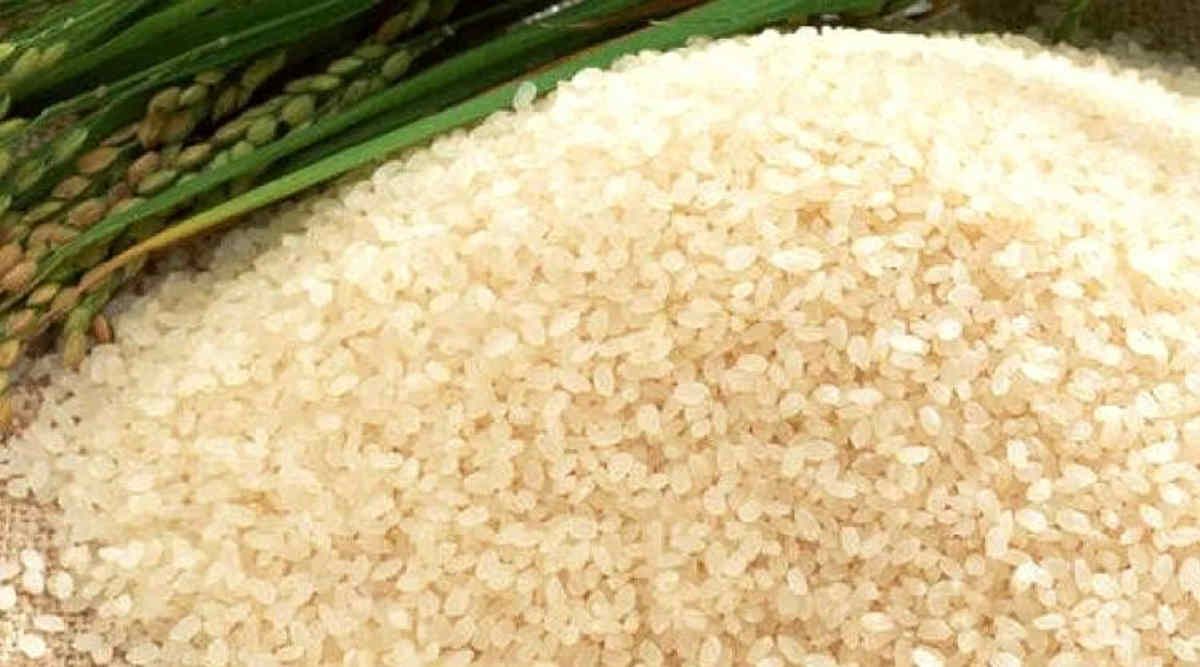
Paddy arrivals have started increasing in Haryana mandis ahead of the government’s scheduled procurement date of October 1. The state has been preparing procurement centres, weighing facilities and storage arrangements as farmers bring early harvested crops to markets.
The timing matters because farmers selling before government procurement begins may have fewer options for securing the notified Minimum Support Price. Haryana had asked the Centre to advance procurement to September 20 after reporting early arrivals, but the scheduled procurement period remains October 1 to November 15.
For the 2026–27 Kharif Marketing Season, the MSP is ₹2,441 per quintal for common paddy and ₹2,461 per quintal for Grade A paddy. Haryana districts are making arrangements to receive the crop under the procurement system.
Farmers should know the procurement date, required registration, quality requirements and payment process before taking their crop to the mandi. These details can affect how quickly the produce is accepted, weighed and lifted.
The government increased the MSP for common paddy from ₹2,369 per quintal in the previous marketing season to ₹2,441 for 2026–27. Grade A paddy has an MSP of ₹2,461 per quintal, compared with ₹2,389 previously.
MSP is the notified benchmark for government procurement. Farmers should distinguish it from prices offered by private buyers, traders or commission agents, which can vary according to market conditions and quality.
Haryana’s procurement arrangements are linked with the state’s Meri Fasal-Mera Byora system. The state government has also directed officials to ensure procurement takes place according to prescribed rules and that farmers are not made to sell below the MSP through government procurement channels.
The state reviewed procurement arrangements on September 25, including farmer registration, rice miller registration, mandi facilities and additional procurement centres where required. Officials were also directed to prepare for paddy arrivals and ensure adequate storage arrangements.
For farmers, this means checking their registration and crop details before taking produce to the market. Correct records can reduce problems during the procurement process.
The state’s e-Kharid system covers registration, sale, payment, transportation and storage. Haryana says the system is designed to improve transparency and facilitate payments to farmers after their produce is sold through the procurement system.
Why are farmers asking for early procurement?
Some paddy has reached mandis before the scheduled procurement date. Haryana had asked the Centre to begin procurement earlier after farmer organisations raised concerns about early arrivals and the need to dispose of harvested crops.
Early arrivals can create pressure when government procurement has not yet started. Farmers who have already harvested need storage, drying and marketing options while waiting for official procurement agencies to begin buying. The issue also reflects the importance of timing in agriculture. Weather conditions can influence harvesting schedules, while changes in rainfall and temperature can affect crop maturity and field operations. Farmers increasingly need to plan harvesting around both crop condition and market arrangements.
The government has not shifted the scheduled procurement period nationally for Haryana. State authorities are preparing mandis for the October 1 start, including weighing facilities, storage and coordination with procurement agencies. Farmers should therefore confirm the procurement status at their local mandi rather than relying on information from social media or informal messages.
They should also check whether their crop meets the applicable quality specifications. Moisture, grain quality and other procurement standards can influence whether the produce is accepted and how the transaction proceeds.
What are mandis doing before October 1?
District administrations are checking procurement infrastructure before the season starts. In Palwal, officials reviewed mandi arrangements and instructed agencies to coordinate crop arrival, procurement and lifting so farmers do not face unnecessary waiting. In Ambala, the district administration said paddy procurement would begin in 15 mandis from October 1. It expects around 5.26 lakh metric tonnes of paddy to arrive during the 2026–27 season.
Officials in Ambala also reviewed weighing arrangements. The administration said 13 of the district’s 15 mandis had identified weighbridges, while arrangements for the remaining two were being completed. Calibration of weighing equipment was also scheduled before procurement began.
Storage is another part of the process. Haryana officials have directed agencies to ensure adequate space with rice millers and government warehouses so purchased paddy can be moved without creating congestion inside mandis.
The state has also directed officials to use geo-tagging for storage locations and strengthen physical verification of stocks. These measures are intended to improve tracking during the procurement and storage process. For farmers, the practical issue is simple: a mandi needs to be ready not only to receive grain but also to weigh, purchase, lift and store it without unnecessary delays.
What should farmers do before taking paddy to market?
Farmers should first check their registration under Meri Fasal-Mera Byora and confirm that their crop and land details are correctly recorded. They should also carry the documents or information required by their local procurement system. Before harvesting, farmers should follow local advice on crop maturity and grain moisture. Paddy harvested too early can have quality problems, while delayed harvesting can expose standing crops to weather-related losses.
Farmers should also avoid taking wet grain to the mandi without checking procurement requirements. Proper drying and storage can reduce quality problems and make the crop easier to handle.
The e-Kharid system allows farmers to participate in the digital procurement process. Haryana says payments are designed to reach farmers through the system after the sale, with the platform covering procurement-related transactions and movement of produce.
Farmers should keep their sale records, weighment slips and payment details. These records can help them check whether the quantity and price recorded in the transaction match the actual sale.
The 2026 paddy procurement season also comes as farmers face greater weather uncertainty. The wider agricultural response includes better water management, climate-resilient varieties and crop planning based on local conditions, areas that ICAR is promoting through its climate-resilience programmes.
For Haryana’s paddy farmers, the immediate priority is getting harvested grain to the market through the official procurement system once buying begins. Knowing the MSP, registration requirements, quality rules and local mandi arrangements can help farmers prepare before October 1.
Also Read: Punarnava Jal – The world’s first organic fertilizer! Know how it is beneficial for farmers?
Contact us – If farmers want to share any valuable information or experiences related to farming, they can connect with us via phone or whatsapp at 9599273766 or you can write to us at “kisanofindia.mail@gmail.com”. Through Kisan of India, we will convey your message to the people, because we believe that if the farmers are advanced then the country is happy.
You can connect with Kisan of India on Facebook, Twitter, and Whatsapp and Subscribe to our YouTube channel.