



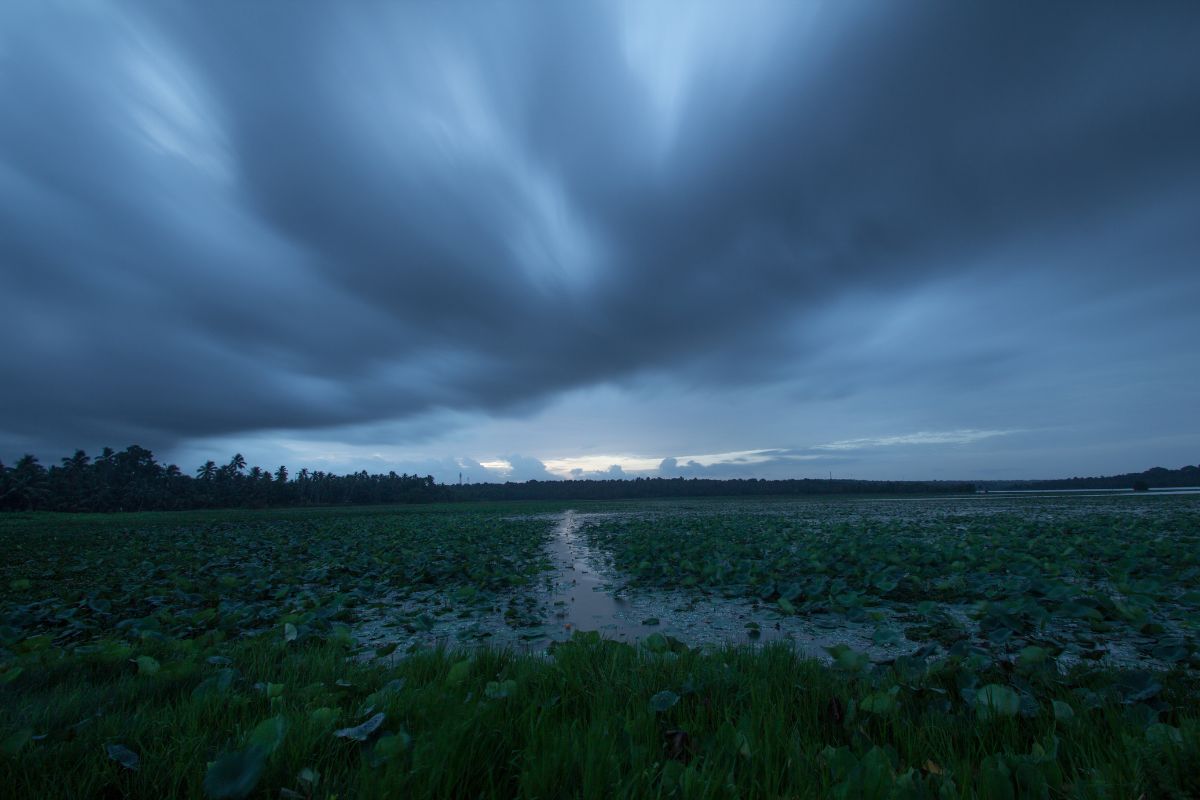
The India Meteorological Department (IMD) has forecast below-normal rainfall for July 2026, placing the country’s Kharif season under close watch. The forecast comes after June recorded one of the driest starts to the monsoon in recent decades, delaying sowing operations in several states and increasing concerns about soil moisture availability. According to IMD, July rainfall is expected to remain below 94 percent of the Long Period Average (LPA), although rainfall activity may improve during the first half of the month.
The outlook is important because July is traditionally the most critical month for Kharif agriculture. Crops such as rice, soybean, cotton, maize, pulses, and oilseeds depend heavily on rainfall during this period for sowing and early growth. Nearly half of India’s farmland still relies primarily on rainfall rather than irrigation, making monsoon performance a major factor in agricultural production.
The weak onset of the monsoon has already left its mark on agriculture. June rainfall was nearly 40 percent below normal, making it the fifth-driest June since records began in 1901. The rainfall shortage slowed field preparation and delayed sowing activities across major agricultural states.
Data released at the end of June showed that Kharif planting was running significantly behind last year’s pace. Rice, soybean, cotton, and maize recorded lower sown areas as farmers waited for adequate moisture before planting. Agricultural experts believe that rainfall during the next few weeks will determine whether this gap can be recovered.
Early July Rain Could Improve Conditions
Despite the below-normal monthly forecast, weather conditions during the first week of July have shown signs of improvement. IMD has predicted active monsoon conditions across several parts of the country, including central India, western India, and eastern states. Heavy rainfall events are expected in Maharashtra, Gujarat, Madhya Pradesh, Odisha, Chhattisgarh, and adjoining regions.
Meteorologists believe these rains could help reduce the national rainfall deficit and improve soil moisture levels in many crop-growing areas. If rainfall remains consistent through mid-July, farmers may be able to complete delayed sowing operations and support crop establishment during the early growth phase.
The Centre and state governments have already begun preparing for a weaker monsoon scenario. More than 300 vulnerable districts have been identified for contingency planning, with special focus on rainfed areas facing high rainfall risks. Farmers in some regions are being advised to consider shorter-duration crops, pulses, oilseeds, and less water-intensive alternatives if rainfall remains inadequate.
Agriculture agencies have also prepared district-level contingency plans covering crop selection, water conservation, irrigation management, and alternative farming practices. Water harvesting structures, farm ponds, and local storage systems are receiving renewed attention as part of drought preparedness efforts.
Climate Concerns Continue to Grow
Weather experts have linked the weak monsoon outlook partly to the increasing probability of El Niño conditions developing during the season. Historically, El Niño years have often been associated with lower rainfall and greater weather variability across India. Scientists are also warning that higher temperatures could place additional stress on crops if rainfall remains inconsistent.
The Finance Ministry has also flagged rainfall deficits as a concern, suggesting greater emphasis on climate-resilient crops and water conservation measures to reduce agricultural risks. Policymakers increasingly view weather resilience as a central component of future farming strategies.
The Next Few Weeks Are Critical
For now, the Kharif season remains highly dependent on how the monsoon performs through July. While the overall monthly forecast remains below normal, improved rainfall during the coming days could help narrow the deficit and support sowing progress across major agricultural regions.
Farmers, agricultural departments, and commodity markets will closely monitor rainfall distribution rather than monthly totals alone. Good rainfall at the right time can still support crop establishment even in a below-normal month.
The next few weeks will therefore play a decisive role in determining whether India’s Kharif season recovers from its slow start or faces deeper challenges later in the year
Contact us: If farmers want to share information or experiences related to farming with us, then they can do this by calling us on the phone number 9599273766 or by writing an email to kisanofindia.mail@gmail.com or by sending your recording. Through Kisan of India, we will convey your message to the people, because we believe that if the farmers are advanced then the country is happy.