


India Expands FCI Rice Supply for Ethanol Production to 72 LMT

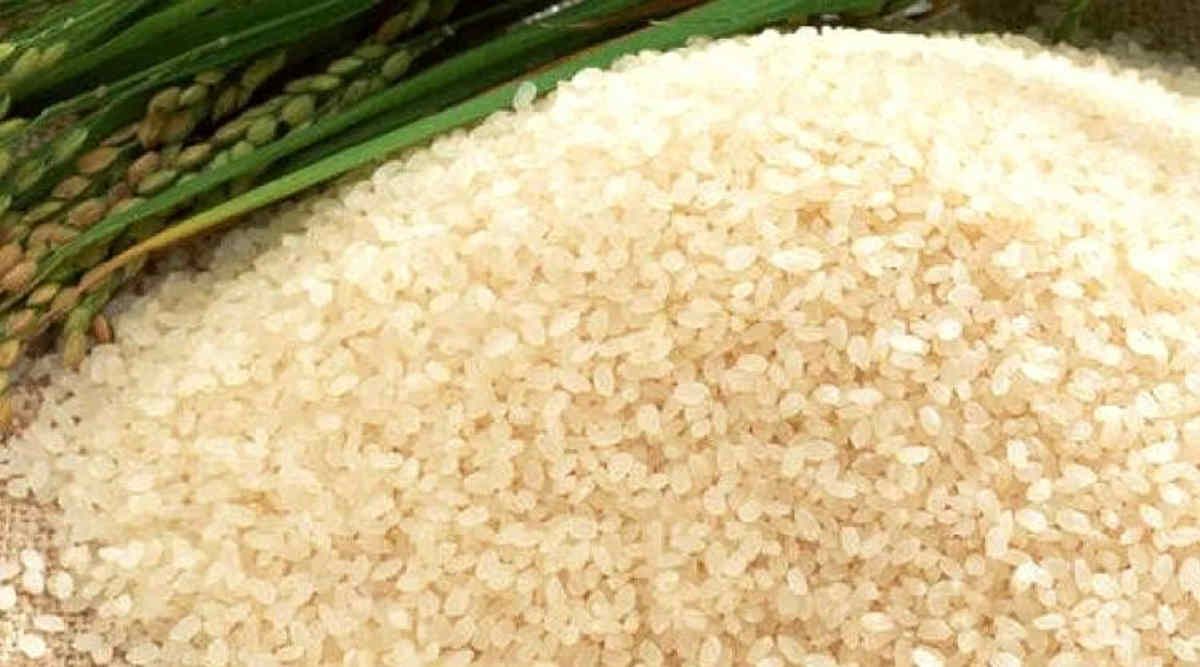
The Indian government has expanded rice supply for ethanol production by increasing Food Corporation of India allocation from 52 lakh metric tonnes to 72 lakh metric tonnes for Ethanol Supply Year 2025-26. The revised decision was issued by the Department of Food and Public Distribution under the Open Market Sale Scheme Domestic. Officials said the move aims to improve feedstock availability for ethanol distilleries while managing surplus grain stocks held by FCI.
The rice will continue to be supplied at a fixed national price of Rs 2,320 per quintal from November 1, 2025, to June 30, 2026. No extra transportation charge will be added from the government side. The revised policy is expected to strengthen India’s ethanol blending programme, which remains one of the major energy and agriculture priorities of the government.
Old and Broken Rice Gets Priority
One of the biggest changes in the revised guidelines is the priority given to old and broken rice for ethanol production. Officials said ageing rice stocks in central warehouses need faster movement to reduce storage pressure and carrying costs. By diverting older grain to ethanol plants, the government plans to improve stock rotation while supporting renewable fuel production.
Agriculture market experts say this decision may also help stabilize grain management at a time when central rice inventories remain high. Ethanol producers had been seeking more clarity regarding grain allocation because maize prices and damaged grain supply fluctuated during recent months. The expanded rice availability may help distilleries maintain stable operations.
Distilleries Must Be Linked With Oil Companies
The government also tightened rules regarding which distilleries can purchase FCI rice. Under the revised system, only distilleries officially registered with Oil Marketing Companies as ethanol suppliers will be eligible for rice allocation. Distilleries must provide signed contracts with OMCs before applying through FCI divisional offices.
The quantity of rice approved for each distillery will depend on the amount of ethanol committed under its supply contract. Officials say this system will improve monitoring and reduce misuse of subsidized grain stocks. After ethanol delivery, distilleries must also submit proof of supply certified by the concerned oil company.
The revised policy introduced new timelines to speed up rice lifting from FCI depots. All sales will continue on a pre-payment basis with no credit facility available. Once payment verification is completed, FCI will issue release orders within 24 hours. Distilleries must lift allocated rice within ten working days after receiving approval.
Depot managers have also been instructed to maintain labour support even during holidays when possible. Additional rail-rake supply provisions were included for large distilleries requiring bulk grain movement. Industry officials say these changes may reduce delays and improve supply chain efficiency during peak ethanol production periods.
Ethanol Blending Remains National Priority
India continues pushing ethanol blending to reduce fuel imports and strengthen renewable energy use. The government has steadily increased ethanol procurement from sugar mills and grain-based distilleries during recent years. Grain-based ethanol production became more important after fluctuating sugar output and rising fuel demand increased pressure on feedstock supply.
Experts say expanded rice allocation may help India move closer toward higher ethanol blending targets. At the same time, grain diversion policies are being closely watched by rice traders and food market analysts because large-scale ethanol use could influence future grain availability and pricing patterns.
Farmers and Grain Markets Watch Developments
The revised policy may also influence crop planning decisions in some regions. Farmers growing maize and rice are monitoring ethanol sector demand because industrial use has become a stronger market driver. Agriculture economists believe grain demand from ethanol plants may create new opportunities for farmers over the next few years.
Market participants are now watching how quickly distilleries lift rice under the revised system. Higher grain diversion, storage movement, and ethanol production trends are expected to remain important agriculture and energy market topics during the rest of 2026.
Also Read: Punarnava Jal – The world’s first organic fertilizer! Know how it is beneficial for farmers?
Contact us – If farmers want to share any valuable information or experiences related to farming, they can connect with us via phone or whatsapp at 9599273766 or you can write to us at “kisanofindia.mail@gmail.com”. Through Kisan of India, we will convey your message to the people, because we believe that if the farmers are advanced then the country is happy.
You can connect with Kisan of India on Facebook, Twitter, and Whatsapp and Subscribe to our YouTube channel.