



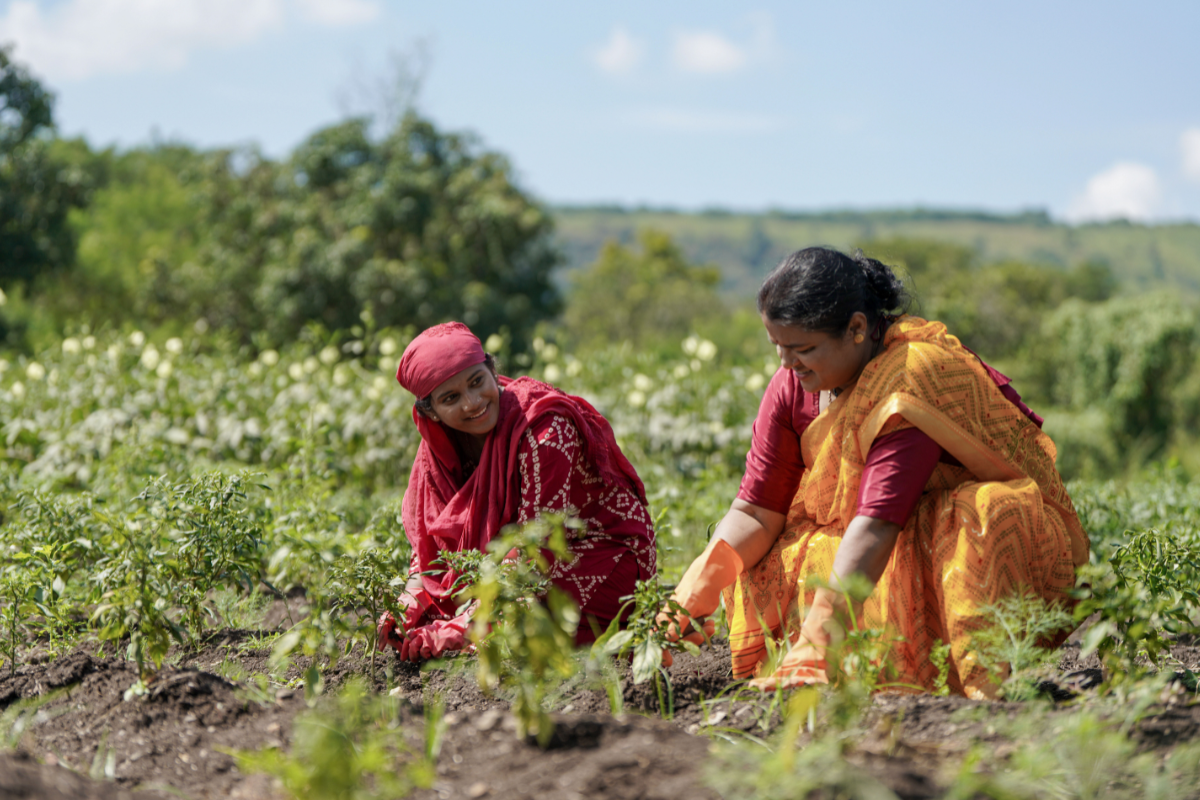
The latest National Crime Records Bureau report showed that 10,546 people linked with India’s farming sector died by suicide during 2024. The figures included both farmers and agricultural labourers. According to the report, 4,633 were farmers or cultivators, while 5,913 were agricultural labourers. Farm sector suicides accounted for around 6.2 percent of all suicides reported across the country during the year.
The NCRB figures showed that agricultural labourers continued recording higher suicide numbers compared to cultivators. Agriculture experts say labourers remain more financially vulnerable because they depend heavily on seasonal farm work and daily wages. During droughts, crop failures, or weak harvest seasons, employment opportunities reduce sharply in many rural regions. Experts believe unstable income and rising living costs continue affecting agricultural labourers across several states.
Maharashtra and Karnataka Remain Major Concern Areas
Previous NCRB data showed Maharashtra and Karnataka among the states reporting the highest number of farm sector suicides. Agriculture researchers say regions dependent on cotton, soybean, and rain-fed farming remain especially vulnerable to climate-related crop losses and debt pressure. Experts believe repeated weather shocks and fluctuating market prices continue increasing financial stress for many farming families.
Punjab recorded 90 farm suicides in 2024, including 84 farmers and six agricultural labourers. This was lower compared to previous years according to NCRB data. Farmer groups, though, questioned the official numbers and claimed many cases may remain underreported because of classification and reporting issues. Researchers earlier estimated much higher long-term figures in Punjab farming regions.
Agriculture experts say climate uncertainty remains one of the biggest reasons behind rural financial pressure. Heatwaves, irregular rainfall, pest attacks, and water shortages continue affecting crop productivity across several farming regions. Farmers dependent on loans often face repayment pressure when crops fail or market prices remain weak. Experts believe climate-resilient farming systems and stronger irrigation support may reduce long-term risks in agriculture.
Small Farmers Face Greater Financial Risk
Small and marginal farmers remain highly vulnerable because they usually operate on limited land and low savings. Rising fertilizer costs, labour expenses, irrigation charges, and market fluctuations increase pressure during difficult farming seasons. Agriculture economists say diversified farming systems may help reduce dependence on one single crop source. Farmers combining dairy farming, vegetables, poultry, or fishery often manage income instability more effectively.
Mental health discussions are slowly increasing in agriculture policy and rural outreach programs. Experts say financial stress, social pressure, crop uncertainty, and repeated debt cycles affect emotional health among farming families. Some rural organizations and state departments have started awareness and counselling initiatives related to farmer wellbeing. Agriculture experts believe support systems at village level may help vulnerable households manage stress better.
The NCRB data again highlighted the need for stronger rural support systems linked with agriculture. Experts believe irrigation expansion, crop insurance access, fair market pricing, storage support, and climate-resilient farming methods may improve stability in the farm sector over time. Agriculture continues supporting millions of rural households, making farmer welfare and rural income security important national concerns.
Also Read: Punarnava Jal – The world’s first organic fertilizer! Know how it is beneficial for farmers?
Contact us – If farmers want to share any valuable information or experiences related to farming, they can connect with us via phone or whatsapp at 9599273766 or you can write to us at “kisanofindia.mail@gmail.com”. Through Kisan of India, we will convey your message to the people, because we believe that if the farmers are advanced then the country is happy.
You can connect with Kisan of India on Facebook, Twitter, and Whatsapp and Subscribe to our YouTube channel.