
Pick Strawberries at the Right Stage Before Losses Begin

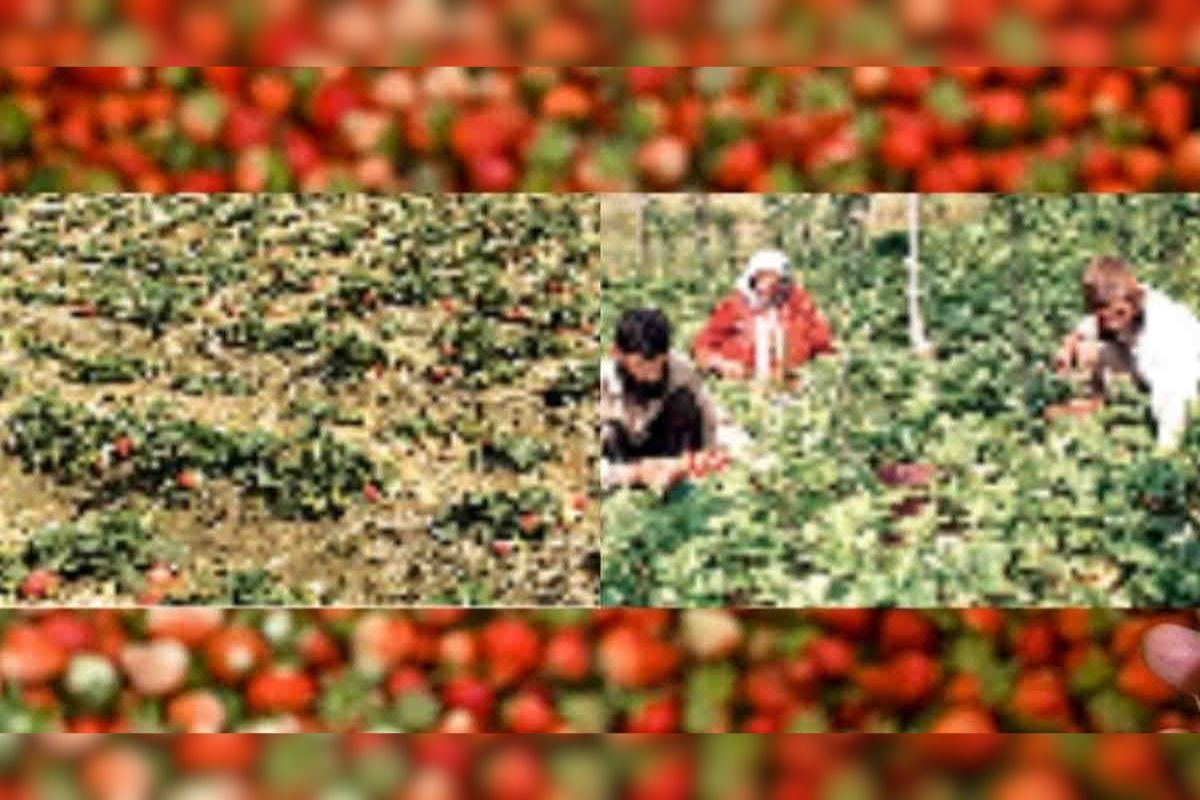
Late February and March mark the main harvest phase for strawberries across many growing regions. This period decides how much of your crop reaches the market in good condition and how much gets lost due to softness or spoilage. Once strawberries begin turning red, ripening moves fast. Fruit left on the plant beyond the right stage quickly loses firmness. Soft berries get damaged during picking, packing, and transport.
Regular field checks are important during this time. Waiting for bulk harvest often leads to mixed maturity levels. Some fruit becomes overripe while others stay underdeveloped. This affects both quality and pricing.
Harvest fruit when:
surface turns fully red
seeds settle slightly into the skin
fruit feels firm to touch
Avoid harvesting when:
tips remain pale
fruit feels too soft
Morning harvest helps retain firmness. Lower temperatures reduce moisture loss. Picking in the afternoon exposes fruit to heat stress and reduces storage life.
Use shallow containers during harvest.
Deep piling leads to:
bruising
leakage
faster spoilage
Move harvested fruit to shade without delay.
Sun exposure after harvest weakens structure.
Sorting at the field level saves time later.
Separate:
uniform berries
damaged fruit
overripe fruit
Uniform lots improve buyer confidence.
Irrigation also needs control.
Excess watering near harvest leads to:
softer fruit
reduced sweetness
Watch for disease signs such as fruit rot.
Remove affected berries early to prevent spread.
Post-harvest care matters.
If transport takes time:
keep fruit cool
avoid stacking pressure
Stagger picking every few days instead of clearing entire plots at once.
This supports:
steady supply
better pricing
Are you visiting your field daily to track ripening?