


Rajasthan Launches Climate-Resilient Agriculture Drive Focused on Fodder Security

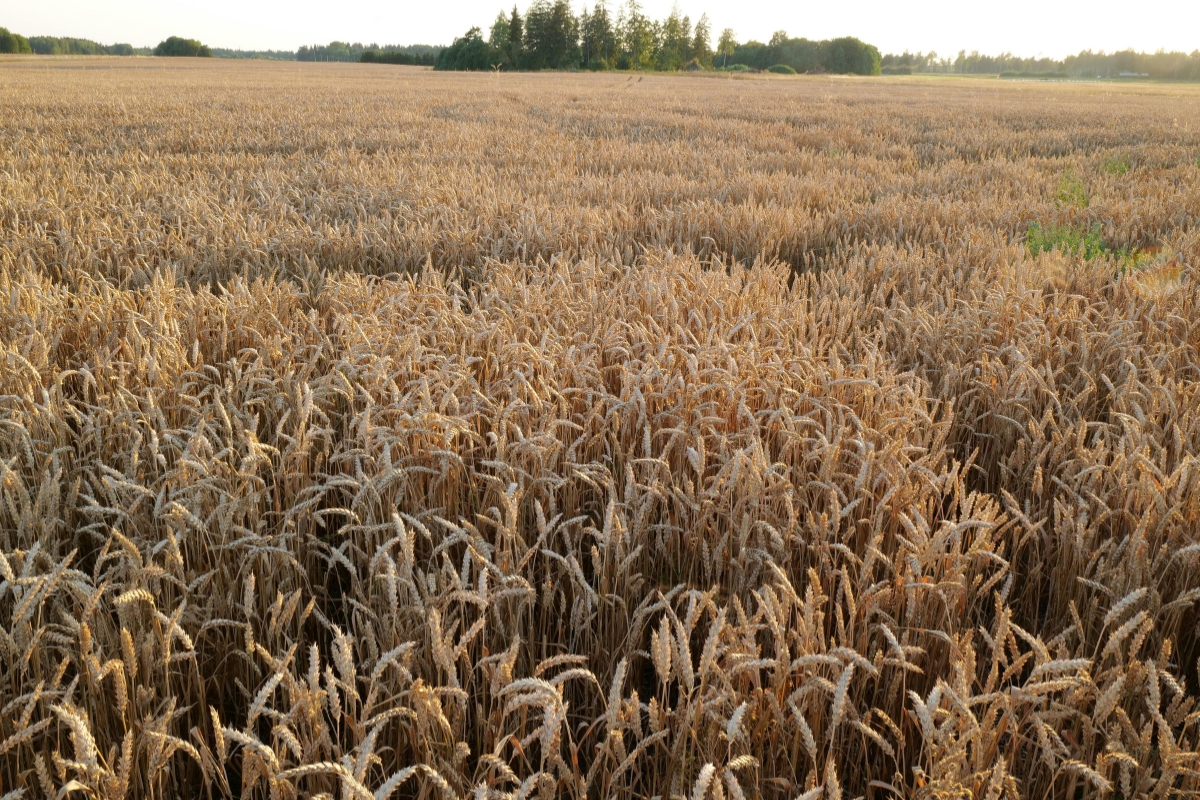
Rajasthan’s Barmer district has launched a major climate-resilient agriculture programme aimed at helping farmers adapt to increasing weather variability and recurring drought conditions. The initiative focuses on strengthening fodder security, conserving the Khejri tree, and promoting farming practices designed to improve resilience in one of India’s most climate-vulnerable regions.
District officials say the programme is intended to support long-term agricultural sustainability while protecting rural livelihoods. Barmer, located in the arid western part of Rajasthan, frequently faces challenges related to low rainfall, water scarcity, and land degradation. The new initiative seeks to address these issues through a combination of ecological restoration and agricultural planning.
One of the central goals of the programme is to improve fodder availability for livestock owners. Feed shortages remain a recurring challenge in drought-prone areas, often forcing farmers to spend heavily on animal feed or reduce herd sizes.
Officials plan to strengthen local fodder resources and encourage practices that improve year-round feed availability. Livestock plays a crucial role in rural incomes across Rajasthan, making fodder security an important component of climate adaptation strategies.
Agricultural experts note that livestock resilience is closely linked to the availability of quality fodder during dry periods.
Khejri Conservation Forms Key Component
The programme places significant emphasis on protecting and expanding Khejri trees, which are widely regarded as one of the most valuable tree species in Rajasthan’s desert ecosystem.
Khejri supports agriculture by improving soil fertility, providing fodder, and helping reduce land degradation. Farmers have traditionally integrated the tree into agricultural landscapes because of its ability to survive harsh climatic conditions while offering multiple benefits.
Researchers studying dryland farming frequently identify Khejri-based agroforestry systems as an important tool for sustainable agriculture in arid regions.
The district administration is also encouraging climate-smart farming methods designed to improve resilience against drought and erratic rainfall. These practices include better water management, soil conservation measures, and farming systems that reduce vulnerability to extreme weather.
Agricultural scientists increasingly recommend such approaches as climate change alters rainfall patterns and increases the frequency of weather-related shocks. Farmers are being encouraged to adopt techniques that improve resource efficiency while protecting long-term productivity.
The programme aligns with broader efforts to strengthen climate adaptation across India’s dryland agricultural regions.
Focus on Sustainable Rural Livelihoods
Officials say the initiative is not limited to environmental conservation. It also aims to improve rural livelihoods by ensuring that farming and livestock systems remain productive under changing climatic conditions.
By combining ecological restoration with agricultural development, the programme seeks to create long-term benefits for farming communities. Experts believe integrated approaches are often more effective than isolated interventions because they address multiple challenges simultaneously.
The effort reflects growing recognition that climate adaptation and rural development must progress together.
A Model for Dryland Agriculture
As climate variability increases across India’s arid and semi-arid regions, programmes such as the one launched in Barmer are attracting attention from policymakers and researchers. Strengthening fodder security, conserving native tree species, and improving farm resilience are becoming increasingly important priorities.
For farmers, the initiative offers practical support in managing climate risks. For policymakers, it provides an example of how environmental conservation and agricultural development can be linked within a single programme.
With droughts and weather uncertainty expected to remain major challenges, Rajasthan’s latest effort highlights the growing importance of climate-resilient agriculture in securing the future of rural communities.
Also Read: Punarnava Jal – The world’s first organic fertilizer! Know how it is beneficial for farmers?
Contact us – If farmers want to share any valuable information or experiences related to farming, they can connect with us via phone or whatsapp at 9599273766 or you can write to us at “kisanofindia.mail@gmail.com”. Through Kisan of India, we will convey your message to the people, because we believe that if the farmers are advanced then the country is happy.
You can connect with Kisan of India on Facebook, Twitter, and Whatsapp and Subscribe to our YouTube channel.