



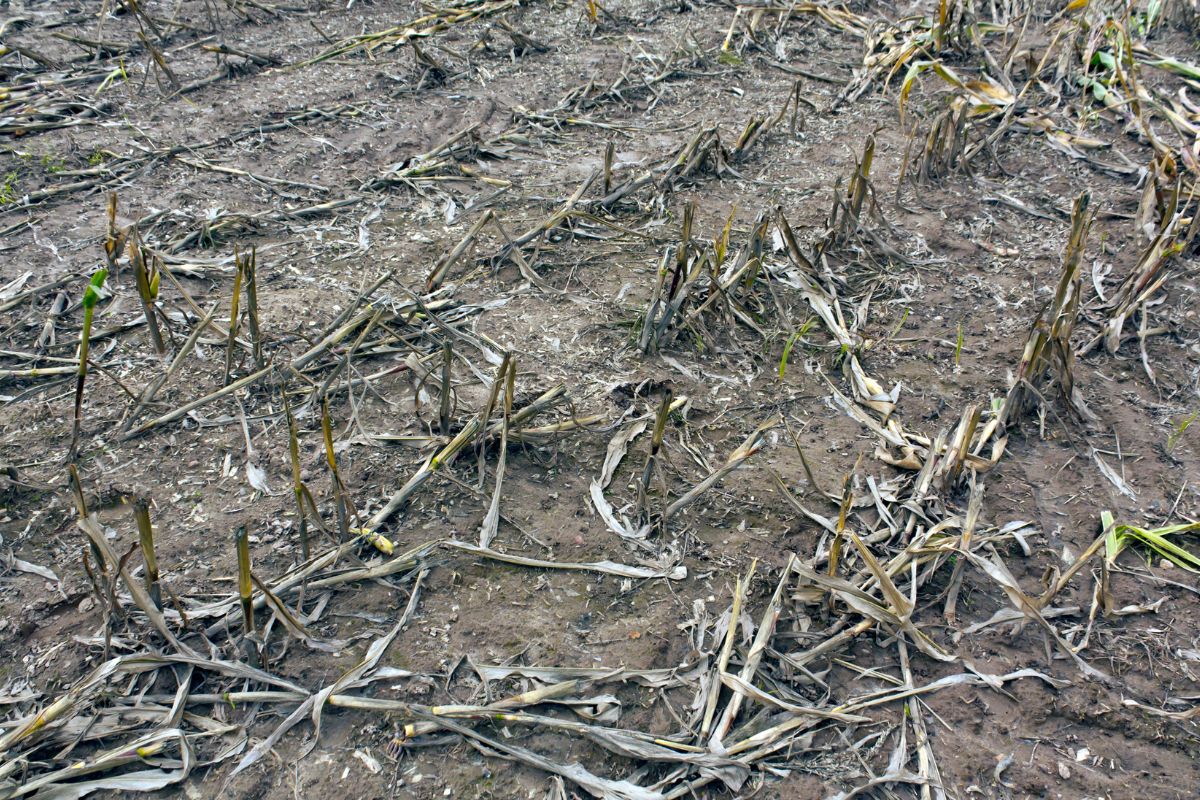
Across the farming districts of Odisha, agricultural residues have traditionally been treated as a challenge after harvest. Rice straw, maize stalks, millet residues, and other crop waste often accumulate in fields with limited economic use. In some cases, farmers burn the material to clear land for the next season.
A growing number of farmers are choosing a different approach.
Instead of treating crop residues as waste, they are converting them into biochar, a carbon-rich material produced through controlled heating in low-oxygen conditions. Once incorporated into fields, biochar can improve soil quality and support long-term productivity.
Researchers and extension agencies are increasingly promoting the practice as a way to address soil degradation while making productive use of agricultural waste.
The approach is attracting attention as both an environmental and farming solution.
Every harvest season generates large quantities of crop residues. Managing this material can be difficult, especially for small farmers with limited access to machinery or processing facilities. Biochar production offers a practical alternative to disposal or open-field burning.
The process converts plant material into a stable form of carbon that can remain in soils for many years.
Farmers using biochar often combine it with compost, farmyard manure, and other organic inputs before applying it to fields.
The result is a product that contributes to soil improvement rather than becoming a waste-management problem.
The shift changes how farmers view crop residues.
Improving Soil Structure
One reason biochar is attracting attention is its impact on soil condition. The material contains numerous microscopic pores that help improve soil structure and support beneficial microbial activity. Farmers report that soils treated with biochar often become easier to manage over time.
Researchers studying soil health note that physical structure plays a major role in crop performance. Healthy soils allow better root development, improved nutrient movement, and greater biological activity. Biochar contributes to these processes by enhancing the soil environment.
Its benefits often accumulate gradually over multiple seasons. Long-term improvement is one of its strongest advantages.
Water management is becoming increasingly important as rainfall patterns grow less predictable. Biochar’s porous structure helps soils retain moisture for longer periods, reducing water loss during dry spells. This characteristic is particularly valuable in rainfed farming systems where irrigation access remains limited.
Farmers frequently cite moisture conservation as one of the most noticeable benefits. Fields treated with biochar may maintain favourable soil conditions for longer after rainfall events. This can help crops withstand short periods of water stress more effectively.
The technology supports resilience as much as productivity. Both outcomes matter to farmers.
Reducing Dependence on External Inputs
Many organic farming systems focus on improving local resource use. Biochar aligns with this objective because it allows farmers to create a soil amendment from materials already available on their farms. Instead of purchasing all fertility inputs from outside sources, producers can utilise residues generated during cultivation.
Agricultural experts emphasise that sustainable farming often depends on nutrient recycling.
The more effectively resources circulate within a farming system, the less dependent it becomes on external inputs. Biochar contributes to that cycle. Its value comes partly from what it replaces.
Researchers studying climate change have shown growing interest in biochar because of its carbon content. When crop residues decompose or are burned, much of their carbon returns to the atmosphere relatively quickly. Biochar stabilises a portion of that carbon, allowing it to remain stored in soils for extended periods.
This characteristic has made biochar relevant to discussions about climate-smart agriculture. While farmers primarily adopt the practice for soil improvement, environmental benefits provide an additional advantage. The combination of agricultural and climate outcomes is attracting policy attention. Interest continues to expand across several states.
Building Healthier Soils for the Future
Agricultural productivity ultimately depends on soil health. No matter how advanced seeds, machinery, or irrigation systems become, long-term success requires healthy soils capable of supporting crop growth year after year.
Biochar is emerging as one tool that can contribute to that goal.
By transforming crop residues into a valuable soil amendment, farmers are improving fertility, conserving moisture, and reducing waste. The practice demonstrates how simple innovations can create multiple benefits within a farming system.
Across Odisha, fields enriched with biochar are showing that one of agriculture’s most valuable resources may already be present after every harvest.
It simply needs to be used differently.
Also Read: Punarnava Jal – The world’s first organic fertilizer! Know how it is beneficial for farmers?
Contact us – If farmers want to share any valuable information or experiences related to farming, they can connect with us via phone or whatsapp at 9599273766 or you can write to us at “kisanofindia.mail@gmail.com”. Through Kisan of India, we will convey your message to the people, because we believe that if the farmers are advanced then the country is happy.
You can connect with Kisan of India on Facebook, Twitter, and Whatsapp and Subscribe to our YouTube channel.