


Can Beneficial Microbes Help Farmers Reduce Their Dependence on Chemical Fertilisers?

Farmers often apply fertilisers because crops need nutrients that may not be available in sufficient quantities in the soil. But not all nutrients present in the soil are immediately available to plant roots. Scientists are now working with beneficial microorganisms that can help improve nutrient availability. A 2026 ICAR programme in Uttar Pradesh highlighted how microbial technologies may support soil health and reduce dependence on some chemical inputs.
The programme was organised by the ICAR-National Bureau of Agriculturally Important Microorganisms at Surabojh village in Mau district. Scientists discussed the role of microorganisms in improving soil fertility and nutrient-use efficiency. Farmers were also introduced to Bio-Phos, a microbial formulation designed to help convert insoluble phosphorus in soil into forms that plants can absorb more easily.
Why crops cannot always use all nutrients in the soil
A soil may contain nutrients that are not readily available to plants. Phosphorus provides one example. Farmers may apply phosphorus-containing fertilisers, but some phosphorus can become fixed in the soil and remain difficult for plant roots to access. This can reduce nutrient-use efficiency and increase pressure on farmers to apply additional fertilisers.
Certain microorganisms can help make some unavailable nutrients more accessible to plants. ICAR scientists explained that phosphate-solubilising microbial technologies can convert insoluble phosphorus into plant-available forms, helping improve nutrient uptake and plant growth.
For farmers, this does not mean that microbial products can automatically replace every fertiliser. The result depends on soil conditions, crop needs and the microbial product being used.
Soil contains a large community of living organisms. These include bacteria, fungi and other microorganisms that can influence how nutrients move through the soil. Some microorganisms help break down organic material.
Others can influence nutrient cycling and make certain nutrients more available to crops. Natural and organic farming systems often focus on supporting these biological processes. The goal is not simply to add more material to the soil.
Farmers also need to create conditions where beneficial soil organisms can remain active. ICAR’s 2026 programme in Mau highlighted microbial technologies as one tool for improving nutrient availability and maintaining soil fertility.
Bioinputs should match the needs of the soil
Farmers should avoid assuming that every microbial product will work in the same way on every field. Soil type, moisture, temperature and existing nutrient levels can influence the performance of biological inputs. This makes soil testing important.
A farmer first needs to understand which nutrients are lacking before deciding what product to use.
ICAR has also promoted soil-test-based nutrient management alongside the use of microbial technologies. A farmer with sufficient phosphorus in the soil may face a different problem from a farmer whose soil has low phosphorus availability.
The right treatment should depend on the actual condition of the field.
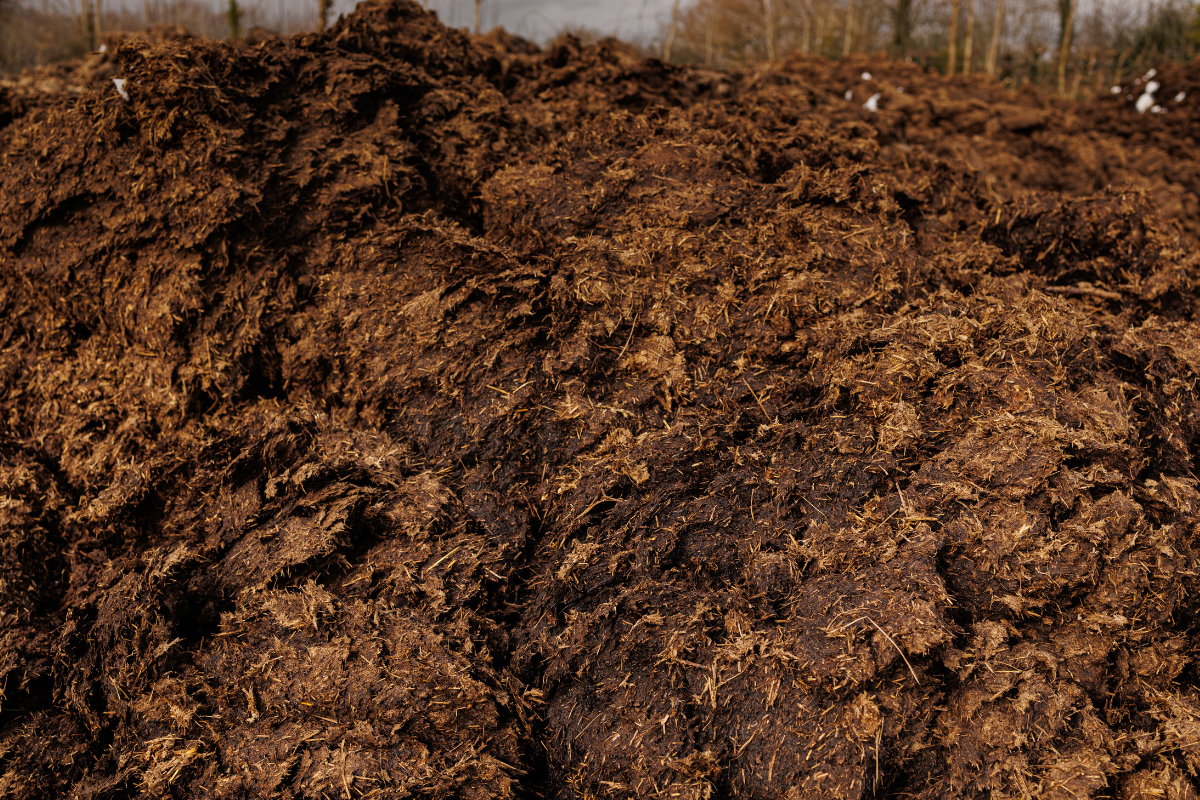
Microorganisms need suitable conditions to remain active. Organic matter can support soil biological activity while also improving soil structure and water-holding capacity. Farmyard manure, compost, crop residues and green manures can contribute organic material to the soil when used appropriately.
ICAR’s natural farming outreach programmes have highlighted practices such as green manuring, organic amendments, crop residue recycling and the use of biological inputs to improve long-term soil fertility. Farmers should avoid burning crop residues when those residues can be safely used for soil improvement.
The best approach will depend on the crop and local farming system. Some residues may also have competing uses as fodder or other farm resources. A biological product cannot fix every soil problem.
Poor drainage, severe nutrient deficiencies and damaged soil structure may require different management measures. Farmers should therefore avoid treating microbial products as a quick substitute for good farm management.
A healthy farming system requires several practices to work together.
These may include:
- Regular soil testing
- Balanced nutrient management
- Organic matter application
- Crop rotation
- Suitable irrigation
- Crop residue management
- Use of recommended bioinputs
The purpose is to improve how efficiently the soil supports crop growth.
ICAR has stressed the role of beneficial microorganisms alongside integrated nutrient management and regular soil testing.
Farmers should use verified products
The growing interest in natural and organic farming has also increased the number of products marketed as biological inputs.
Farmers should check the source before buying any microbial product.
They should ask:
- What microorganism does the product contain?
- Which crops is it recommended for?
- What soil problem does it address?
- How should it be stored?
- What is the recommended application method?
- Is the product from a recognised or reliable source?
Microorganisms are living organisms.
Poor storage or improper handling can affect their usefulness.
Farmers should follow the recommended instructions instead of applying larger quantities in the belief that more will always produce better results.
A farmer interested in microbial bioinputs does not need to change the entire farm immediately. A small comparison plot can provide useful information. The farmer can compare crop growth and input costs between the usual management system and a recommended microbial treatment.
Simple records can include:
- Fertiliser used
- Cost of inputs
- Crop growth
- Yield
- Soil test results
This approach can help farmers understand whether a particular practice works under their local conditions. A result from another district may not always produce the same outcome in a different soil.
Microbes could become part of a wider soil strategy
The growing interest in microbial technologies reflects a wider shift in farming. Scientists are looking for ways to improve nutrient-use efficiency and maintain soil fertility while reducing unnecessary input use. ICAR’s work in Mau shows how microorganisms can become part of this approach by helping improve nutrient availability and supporting soil biological activity.
For natural and organic farmers, the main lesson is practical. Soil is not simply a surface where fertiliser is added. It is a living system. The next question for farmers is how they can support that system while still producing enough food and maintaining farm income.
Microbial bioinputs may provide one tool. Their value will depend on whether farmers use them with proper soil testing, good organic matter management and practices suited to their own fields.
Also Read: Punarnava Jal – The world’s first organic fertilizer! Know how it is beneficial for farmers?
Contact us – If farmers want to share any valuable information or experiences related to farming, they can connect with us via phone or whatsapp at 9599273766 or you can write to us at “kisanofindia.mail@gmail.com”. Through Kisan of India, we will convey your message to the people, because we believe that if the farmers are advanced then the country is happy.
You can connect with Kisan of India on Facebook, Twitter, and Whatsapp and Subscribe to our YouTube channel.