


Can Mulching Reduce Water Use and Weed Growth? What Farmers Should Know Before Using It

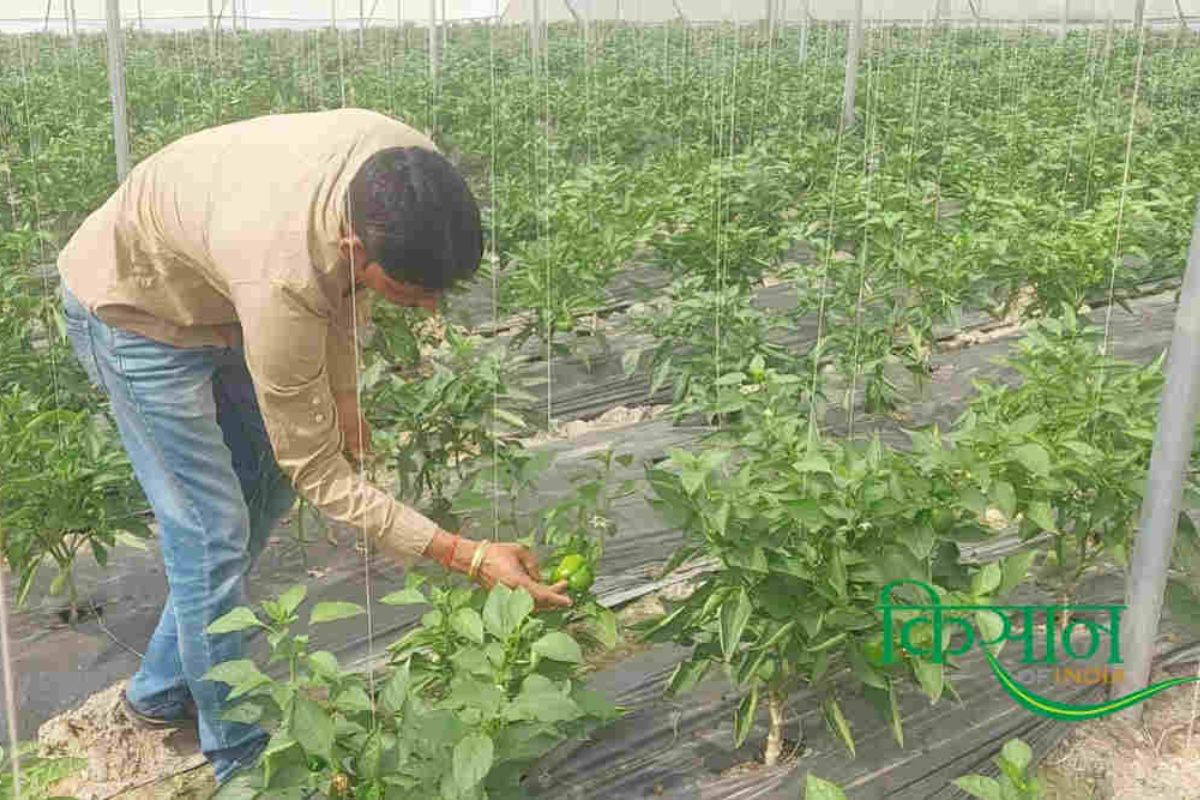
Farmers can use mulch to cover soil around crops and reduce moisture loss, weed growth and soil erosion. Materials such as straw, crop residue, leaves and other organic matter can form a protective layer over the soil.
ICAR identifies mulching as an important method for conserving soil moisture. Its farmer guidance says straw mulch can reduce evaporation substantially while also helping regulate soil temperature, suppress weeds and improve soil fertility as the material decomposes.
What is mulching?
Mulching means covering exposed soil around crops with a layer of organic or synthetic material. Farmers can use straw, leaves, crop residues, grass, compost or plastic films depending on the crop and production system.
The material creates a barrier between soil and the atmosphere. This can slow evaporation, reduce the impact of rain on bare soil and limit the space available for weeds to emerge and grow.
Bare soil loses moisture directly through evaporation. A mulch layer reduces the amount of soil exposed to sunlight and moving air, helping retain moisture for longer periods between irrigations or rainfall.
ICAR reports that straw mulch can reduce evaporation by up to 70% under suitable conditions. The actual reduction depends on mulch material, thickness, weather, soil type and crop management.
Can mulch reduce weeds?
Yes. A sufficiently thick mulch layer can block light from reaching weed seeds and make it harder for weeds to emerge. This can reduce competition between weeds and crops for water, nutrients and sunlight.
ICAR research on vegetable crops lists mulching among cultural methods that can help manage weeds. It can also be combined with other weed-management practices rather than used as the only method.
Farmers can use suitable crop residue as mulch, provided it is free from materials that could create pest, disease or contamination problems. Straw and other plant residues can protect the soil while gradually decomposing.
ICAR’s guidance recommends materials such as straw, crop residue, leaves and live plants for moisture conservation. Organic mulch can also contribute nutrients and improve soil physical condition as it breaks down.
Organic mulch can contribute to soil health because decomposing plant material adds organic matter to the soil. It can also protect the surface from erosion and help maintain a more stable soil environment.
ICAR notes that organic mulch can improve soil fertility as it decomposes. Its benefits are linked to both moisture conservation and the gradual return of organic material to the soil.
Mulch changes how much heat reaches the soil surface. Organic materials can reduce direct exposure to sunlight during hot periods and help moderate temperature fluctuations around plant roots.
This can be useful in crops where excessive soil heating increases moisture stress. The effect depends on the type and thickness of mulch, local weather and whether the material covers the entire soil surface or only areas around plants.
Can mulch increase crop yield?
Mulching can contribute to higher yields when moisture stress and weeds limit crop growth. An ICAR field experiment in a rainfed foothill region found that full-plot mulch increased soil moisture and produced higher maize grain and straw yields than unmulched treatments.
The same study found that full-plot mulch increased maize grain yield by 58.6% compared with the unmulched control. Such results come from specific field conditions and should not be treated as a guaranteed increase for every crop.
Organic mulch can be used in many vegetable, fruit and field-crop systems, but the material and method need to match the crop. ICAR advisories recommend organic mulch for fruit crops and vegetables to retain moisture and suppress weeds.
Recent ICAR guidance for papaya recommends applying 5–10 cm of organic mulch around plants. Farmers should keep mulch away from direct contact with stems to reduce moisture-related disease risks.
Plastic mulch uses polymer films placed over soil, usually with openings for crop plants. Black plastic mulch is commonly used in some vegetable production systems because it can suppress weeds and influence soil temperature and moisture.
ICAR research has recorded higher tomato and brinjal yields under drip irrigation combined with black polyethylene mulch in specific field trials. The study also reported water savings under the combined system.
Is plastic mulch always better?
No. Plastic mulch can provide benefits, but farmers must manage the material after use. Poor disposal can create environmental problems and leave plastic fragments in agricultural fields.
ICAR’s 2025 national workshop on polymulching highlighted concerns about excessive plastic use, soil effects and microplastic pollution. Scientists also discussed biodegradable mulch films as one possible way to reduce these problems.
Farmers should not leave used plastic mulch in the field or burn it. They should collect it carefully after the crop cycle and follow available recycling or disposal systems.
The type of film also matters. Farmers should check whether a product can be recovered and recycled before purchasing it. A lower-cost film can become a larger problem if collection and disposal costs are ignored.
There is no single thickness suitable for every crop. The required amount depends on the material, crop, climate, soil and purpose of mulching.
For example, ICAR-MGIFRI recently advised farmers growing papaya to apply 5–10 cm of organic mulch. Farmers should follow crop-specific recommendations rather than applying an unnecessarily thick layer.
Can too much mulch cause problems?
Yes. Excessive or poorly managed mulch can retain too much moisture around plant stems, interfere with air movement and create favourable conditions for some pests and diseases.
Farmers should keep organic mulch slightly away from the stem or trunk. They should also monitor the field after rainfall and irrigation to ensure that the root zone does not remain excessively wet.
It is better to leave a small gap around the stem or trunk. Direct contact with constantly wet organic material can increase the risk of stem or collar problems in some crops.
Mulch should cover the soil where it provides the greatest benefit, while keeping the immediate stem area relatively clear. This also makes it easier to inspect plants for pests and disease symptoms.
Can farmers combine mulch with drip irrigation?
Yes. Mulching and drip irrigation can complement each other. Drip irrigation delivers water close to the root zone, while mulch reduces evaporation from the surrounding soil.
ICAR research on tomato and brinjal found that combining drip irrigation with black polyethylene mulch increased yield and water productivity compared with conventional irrigation systems in the tested conditions.
Farmers should first identify the main problem they want to address. If water loss is the concern, an organic mulch may help retain moisture. If weeds are the main problem, the material and coverage need to provide sufficient soil shading.
Farmers should also calculate material availability, labour and application costs. Crop residue already available on the farm can make organic mulching cheaper than purchasing commercial materials.
Is crop residue mulch useful after harvest?
Yes. Returning suitable crop residues to the soil can provide both soil cover and organic material. Farmers need to ensure that the residue is properly managed and does not carry significant pest or disease risks.
Recent field reporting from Punjab also shows farmers incorporating paddy residue into soil before planting potatoes, using mulching as part of their crop-residue management system. Farmers can start with a small area and compare mulched and unmulched sections. They can record irrigation frequency, weed pressure, soil moisture, labour requirements and crop performance.
This gives farmers field-specific information before they spend money on larger quantities of mulch or plastic films. The results can also show whether the practice fits the crop, soil and local weather conditions.
Mulching is a relatively simple way to protect exposed soil, conserve moisture and suppress weeds. Organic materials such as straw, crop residue and leaves can also return organic matter to the soil as they decompose.
For farmers, the choice between organic and plastic mulch should depend on the crop, water needs, material cost and disposal options. Organic mulch can provide several soil benefits, while plastic mulch requires careful collection and disposal to avoid creating another waste problem.
Also Read: Punarnava Jal – The world’s first organic fertilizer! Know how it is beneficial for farmers?
Contact us – If farmers want to share any valuable information or experiences related to farming, they can connect with us via phone or whatsapp at 9599273766 or you can write to us at “kisanofindia.mail@gmail.com”. Through Kisan of India, we will convey your message to the people, because we believe that if the farmers are advanced then the country is happy.
You can connect with Kisan of India on Facebook, Twitter, and Whatsapp and Subscribe to our YouTube channel.