


Sea Buckthorn Cultivation Is Creating New Opportunities in Mountain Agriculture

Farmers in mountainous regions often face unique challenges. Steep terrain, limited arable land, harsh weather conditions, and transportation constraints can restrict agricultural opportunities. Finding crops that can thrive under such conditions while generating good income remains a priority for many farming communities.
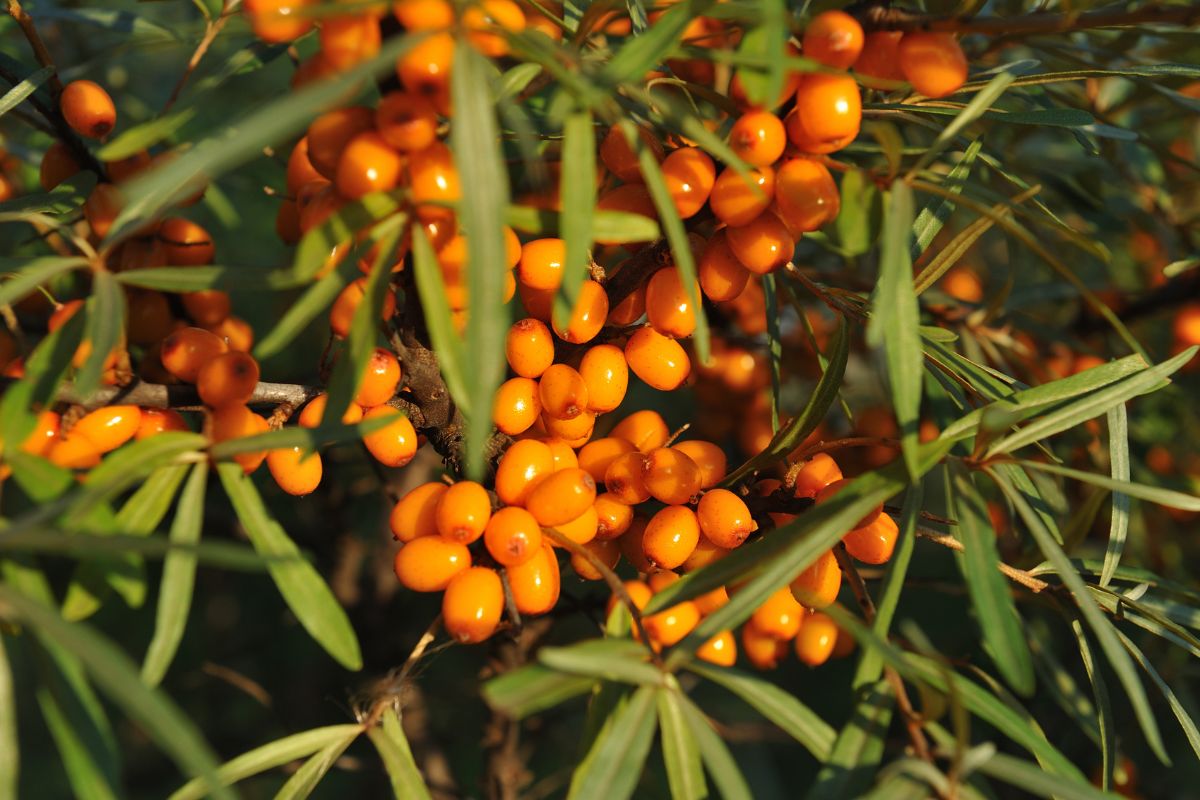
Sea buckthorn is emerging as one such crop. This hardy shrub produces bright orange berries that are increasingly valued by food, cosmetic, and pharmaceutical industries. The plant naturally grows in difficult environments and can survive conditions that would challenge many conventional crops.
Researchers and agricultural entrepreneurs are paying closer attention to sea buckthorn because it combines environmental benefits with strong commercial potential. Its ability to grow in marginal areas makes it particularly attractive for mountain farming systems.
One of sea buckthorn’s greatest advantages is its adaptability. The plant can tolerate cold temperatures, strong winds, poor soils, and limited water availability. These characteristics allow it to perform well in regions where many commercial crops struggle to survive.
Farmers living in mountainous areas often have limited crop options because of environmental constraints. Sea buckthorn offers an opportunity to make productive use of land that may otherwise generate limited agricultural returns.
Agricultural scientists frequently identify resilient crops as important components of climate adaptation strategies, and sea buckthorn fits well within that category.
Berries Have Growing Commercial Demand
Sea buckthorn berries contain vitamins, antioxidants, and other compounds that have attracted attention from multiple industries. Food manufacturers use them in juices, jams, health drinks, and nutritional supplements, while cosmetic companies incorporate berry extracts into skincare products.
This diverse demand creates multiple market opportunities for growers. Instead of relying on a single buyer or industry, farmers can potentially access several value chains depending on local processing and marketing infrastructure.
Market analysts expect demand for natural plant-based ingredients to continue growing, supporting interest in crops such as sea buckthorn.
The crop is well suited to organic farming because it generally requires fewer chemical inputs than many commercial fruit crops. Its natural resilience reduces the need for intensive pest and disease management, making it attractive for farmers seeking environmentally sustainable production methods.
Organic producers often look for crops that align with ecological farming principles while maintaining commercial viability. Sea buckthorn meets both requirements by combining relatively low input needs with strong market demand.
Researchers studying sustainable agriculture frequently highlight such crops as important examples of environmentally responsible farming opportunities.
Beyond its commercial benefits, sea buckthorn contributes to land conservation. Its extensive root system helps stabilise soil and reduce erosion, particularly on slopes and degraded land. This characteristic is especially important in mountain regions where soil loss can affect long-term agricultural productivity.
Environmental experts often note that crops providing both economic and ecological benefits offer significant advantages for rural development. Sea buckthorn helps protect landscapes while simultaneously generating income opportunities for farming communities.
The dual role of conservation and production is one of the crop’s strongest attractions.
Processing Creates Higher Returns
Many successful sea buckthorn enterprises focus not only on berry production but also on processing. Juice concentrates, oils, powders, cosmetics, and health products often command much higher prices than raw berries sold directly after harvest.
Processing allows farmers and rural entrepreneurs to capture a larger share of the value chain. It also creates employment opportunities in packaging, marketing, and product development.
Agricultural economists consistently find that value addition increases profitability and strengthens rural economies. Sea buckthorn’s wide range of commercial applications makes it particularly suitable for this approach.
Sea buckthorn demonstrates that some of the most promising agricultural opportunities emerge from crops capable of thriving where others cannot. Its resilience, commercial value, and environmental benefits make it increasingly attractive for farmers operating in mountain and marginal regions.
As demand for natural products continues to expand, interest in the crop is expected to grow further. Farmers gain a high-value enterprise, consumers gain access to new products, and landscapes benefit from improved soil protection.
Across mountain regions, sea buckthorn is showing that difficult environments can still support profitable agriculture when the right crop is chosen.
Also Read: Punarnava Jal – The world’s first organic fertilizer! Know how it is beneficial for farmers?
Contact us – If farmers want to share any valuable information or experiences related to farming, they can connect with us via phone or whatsapp at 9599273766 or you can write to us at “kisanofindia.mail@gmail.com”. Through Kisan of India, we will convey your message to the people, because we believe that if the farmers are advanced then the country is happy.
You can connect with Kisan of India on Facebook, Twitter, and Whatsapp and Subscribe to our YouTube channel.