



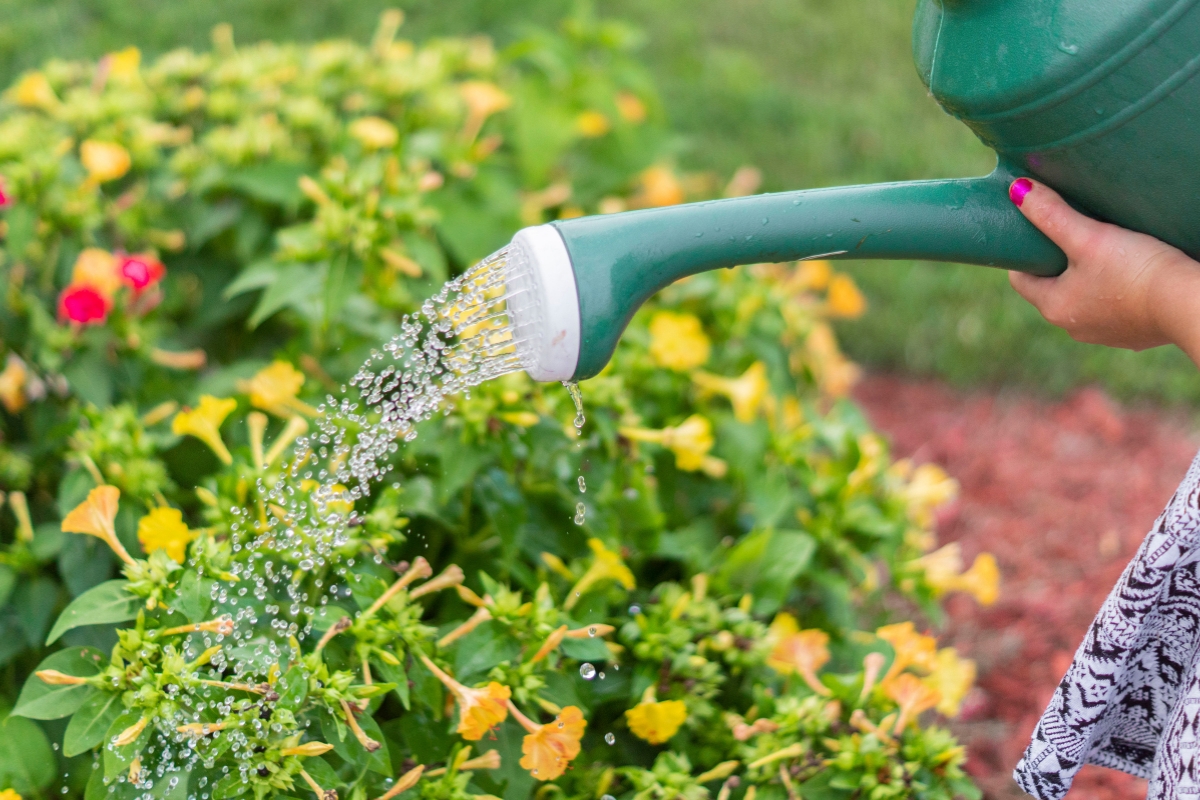
Farmers often apply fertiliser and irrigation separately, which can result in uneven nutrient distribution and unnecessary water use. Fertigation offers another method. It delivers dissolved fertilisers through irrigation water, allowing nutrients to reach the crop root zone along with the water used for irrigation.
The technology becomes more precise when farmers combine fertigation with drip irrigation and suitable scheduling. ICAR has developed fertigation schedules for several crops and reports that such systems can improve water and nutrient-use efficiency. The government also promotes fertigation under the Per Drop More Crop programme.
How Fertigation Works
In a fertigation system, soluble fertilisers are mixed with irrigation water and delivered through pipes to the crop. Drip systems can release the mixture close to plant roots. This allows farmers to supply nutrients in smaller quantities rather than applying the entire requirement at one time.
The method is particularly useful for crops grown under drip irrigation. Farmers can adjust irrigation and nutrient delivery according to crop stage. The exact fertiliser type, concentration and timing depend on the crop, soil, water quality and recommended nutrient requirement.
ICAR has developed an organic fertigation unit using cow dung and vermicompost filtrate as a nutrient source. The system was successfully tested on okra and was recommended with 50% of the recommended fertiliser dose under the tested conditions.
Fertigation can also reduce the need for repeated field applications. Instead of spreading fertiliser across the entire field, farmers can deliver nutrients through the irrigation network. This can be useful where crops are planted in rows and the irrigation system already supplies water directly to the root zone.
Farmers should not assume that more frequent fertigation means more fertiliser. Excess nutrients can damage crops, increase costs and contribute to nutrient losses. Fertigation works best when farmers follow soil-test recommendations and crop-specific schedules.
Can It Save Water And Fertiliser?
ICAR reports that its drip fertigation schedules can save 30–40% irrigation water, 25–30% energy and 20–25% nitrogen compared with surface irrigation, while also producing 10–15% higher yields under the tested systems. These figures are technology-specific and should not be treated as guaranteed results for every farm.
Another ICAR technology uses sensor-based micro-irrigation scheduling. The system has been reported to save about 20% water while increasing yield by 15% in drip-irrigated banana. This shows how irrigation timing can be combined with technology rather than relying only on fixed schedules.
The benefit can be important in areas facing water shortages. Farmers do not need to apply the same amount of water every day because crop water requirements change with growth stage, weather and soil moisture. Better scheduling can reduce unnecessary irrigation while protecting crops during periods of stress.
Fertigation can also improve nutrient placement. When nutrients move with irrigation water, they can reach the active root zone more directly. This can reduce some losses associated with broadcasting fertiliser, although the result depends on irrigation design, soil type, fertiliser choice and management.
Climate change makes this approach more relevant. Irregular rainfall and longer dry spells can make water management difficult. Technologies that help farmers apply water and nutrients according to crop requirements can support better resource management during such conditions.
Which Crops Can Use It?
Fertigation is widely used in horticulture and high-value crops where drip irrigation is already common. Vegetables, fruits and plantation crops can be suitable, depending on local recommendations and the availability of an appropriate irrigation system.
ICAR has developed fertigation schedules for crops including tomato, broccoli and onion. Research has also covered crops such as banana, sugarcane and maize under different irrigation systems. Farmers should follow recommendations developed for their particular crop rather than using one fertiliser schedule across all crops.
The quality of irrigation water also matters. Hard or saline water can affect fertiliser solubility and the performance of drip equipment. Farmers should check water quality where necessary and select fertilisers that are compatible with their irrigation system.
The irrigation system itself needs regular maintenance. Blocked emitters can cause some plants to receive more water and nutrients while others receive less. Farmers should inspect filters, pipes and emitters regularly and flush the system according to technical recommendations.
Fertigation can be particularly useful for farmers growing crops with high input requirements. But the investment should be compared with expected savings. A small farmer with a low-value rainfed crop may not recover the cost of a drip-fertigation system quickly.
What Farmers Need Before Starting
Farmers should begin with a soil test. The test can show the available nutrients and help determine what the crop actually needs. Applying fertiliser without knowing soil conditions can increase costs and may create nutrient imbalances.
The next step is choosing the irrigation system. Drip irrigation needs suitable pipes, filters, emitters and a fertiliser-injection or mixing arrangement. Farmers should select equipment based on field size, crop spacing, water source and pressure.
Farmers should also ask their agriculture or horticulture department about available subsidies. The government promotes micro-irrigation under Per Drop More Crop, which includes support for drip and sprinkler systems according to applicable scheme rules.
Training is important because fertigation requires more than simply mixing fertiliser with water. Farmers need to understand concentration, timing, compatibility and irrigation scheduling. Incorrect application can damage plants or block irrigation equipment.
Climate conditions should also guide scheduling. During periods of high temperature or low rainfall, crops may need different irrigation management from periods with adequate rainfall. Farmers can combine weather information, soil moisture observations and crop growth stages when deciding irrigation frequency.
Farmers can start with a small plot if they are unsure about the technology. Comparing water use, fertiliser costs, labour, crop growth and yield against a conventionally managed plot can show whether the system works under their own conditions.
Is Smart Fertigation Worth It?
Smart fertigation is not simply about using more technology. Its main purpose is to apply water and nutrients more precisely. When the irrigation system, fertiliser schedule and crop requirement are properly matched, farmers can reduce some resource losses while maintaining or improving crop performance.
The technology can become more useful when combined with sensors and weather information. Farmers can monitor soil moisture and adjust irrigation instead of following a fixed schedule. ICAR has already developed IoT-based soil-moisture systems for irrigation scheduling that report water savings compared with traditional scheduling.
For farmers, the first question should be whether their crop and farm conditions justify the investment. Check the available water, crop value, field size and current irrigation and fertiliser costs before purchasing equipment.
Fertigation will not solve every water or fertiliser problem. Poor-quality equipment, incorrect nutrient doses and weak maintenance can reduce its benefits. Technical guidance remains important, particularly when farmers are installing the system for the first time.
As India faces pressure on both water and fertiliser resources, precise application is becoming more important. Fertigation offers one route to manage both through the same irrigation system, especially for farmers growing crops suited to drip irrigation.
The practical starting point is simple: test the soil, check the water source, identify the crop’s nutrient needs and compare the cost of the system with the expected savings. If the numbers work, fertigation can become a useful part of a more precise farm-management system.
Also Read: Punarnava Jal – The world’s first organic fertilizer! Know how it is beneficial for farmers?
Contact us – If farmers want to share any valuable information or experiences related to farming, they can connect with us via phone or whatsapp at 9599273766 or you can write to us at “kisanofindia.mail@gmail.com”. Through Kisan of India, we will convey your message to the people, because we believe that if the farmers are advanced then the country is happy.
You can connect with Kisan of India on Facebook, Twitter, and Whatsapp and Subscribe to our YouTube channel.