



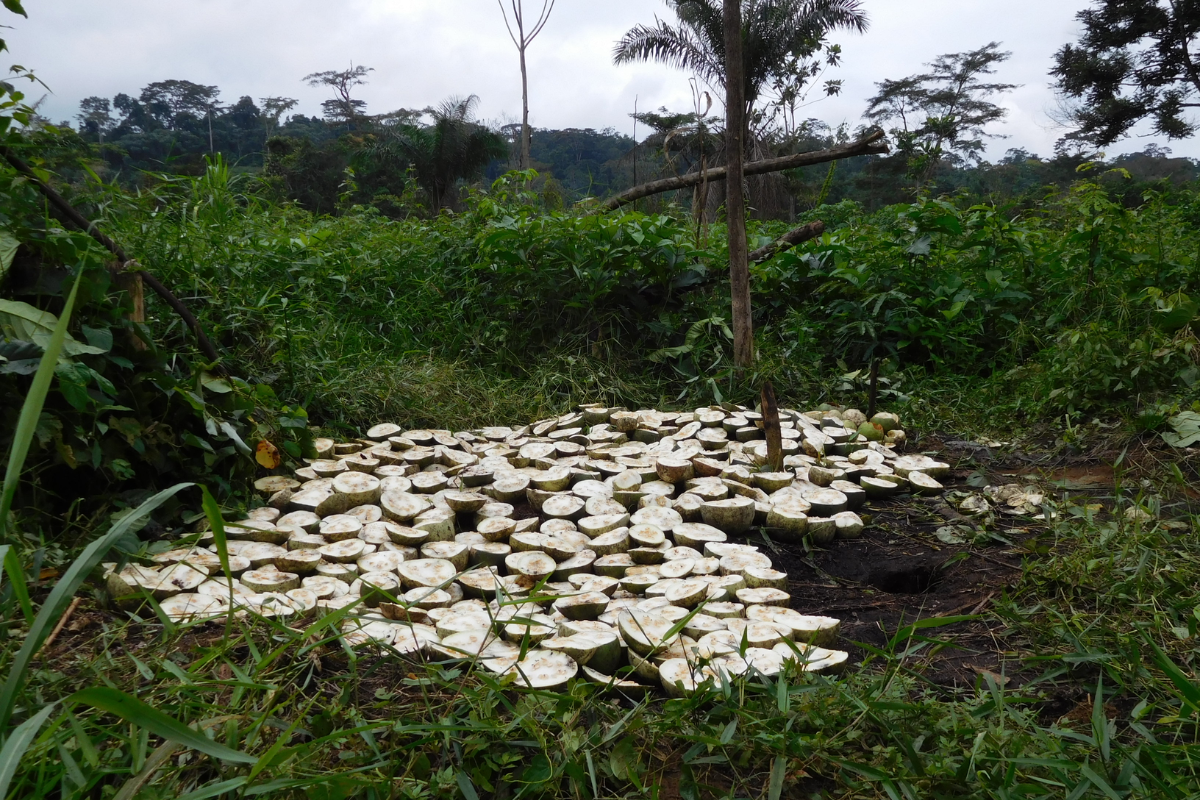
Banana cultivation generates millions of tonnes of biomass every year. After harvesting the fruit, farmers are usually left with thick pseudostems that have little direct market value. In many regions, these stems are discarded, left to decompose, or removed from fields as waste.
A growing number of rural enterprises are changing this situation by extracting fibre from banana stems and converting it into commercial products. What was once considered agricultural waste is now becoming a source of additional income for farmers, self-help groups, and rural entrepreneurs.
Researchers studying circular agriculture believe banana fibre enterprises represent an important example of how waste materials can be transformed into valuable products while reducing environmental impacts.
Every banana plant produces fruit only once. After harvest, the stem is usually removed to make space for the next crop cycle. This leaves farmers with large quantities of biomass that often generate no income.
Banana fibre extraction allows producers to recover value from these residues. The fibres obtained from stems can be processed into yarn, ropes, mats, handicrafts, paper products, and textile materials.
Agricultural economists frequently point out that improving the utilisation of crop residues can significantly increase returns from existing farming systems.
Fibre Demand Is Expanding
Interest in natural fibres is increasing across multiple industries. Manufacturers are exploring alternatives to synthetic materials as consumers show greater interest in biodegradable and plant-based products.
Banana fibre has attracted attention because it is strong, lightweight, and derived from renewable resources. Textile companies, packaging manufacturers, and handicraft producers are among the sectors evaluating its commercial potential.
Market analysts expect demand for sustainable raw materials to continue growing in the coming years.
The fibre extraction process creates opportunities beyond farming. Workers are needed for collection, extraction, drying, grading, processing, and product manufacturing activities.
Many self-help groups and rural enterprises are participating in these operations, creating local employment while generating additional income streams. Development experts often highlight such businesses because they add value close to the production source rather than transporting raw materials elsewhere.
The result is a stronger local economic impact.
One of the strongest advantages of banana fibre production is that it uses materials already available within agricultural systems. No additional land is required because the raw material is generated as part of existing banana cultivation.
Researchers studying sustainable agriculture frequently identify waste utilisation as a key strategy for improving resource efficiency. By converting residues into useful products, farmers reduce waste while creating economic value.
This approach supports both environmental and financial objectives simultaneously.
Small Farmers Can Participate
Banana fibre enterprises do not require farmers to change their cropping systems. Instead, they create an additional revenue opportunity from materials that already exist on the farm.
This makes the model particularly attractive for smallholders seeking supplementary income. Farmers continue producing bananas while earning additional returns from crop residues that previously generated little or no value.
Agricultural diversification experts often recommend such approaches because they improve income without increasing production risks.
Building New Value Chains
The growth of banana fibre enterprises demonstrates how agricultural innovation often begins with rethinking existing resources. By viewing crop residues as raw materials rather than waste, farmers and entrepreneurs are creating entirely new value chains.
The industry supports rural employment, promotes sustainable production, and generates additional income from existing agricultural systems. As demand for natural fibres expands, opportunities within the sector are expected to increase further.
Across banana-growing regions, stems that were once discarded are becoming the foundation of a growing rural industry. What farmers previously viewed as waste is now helping create new economic opportunities beyond the harvest itself.