



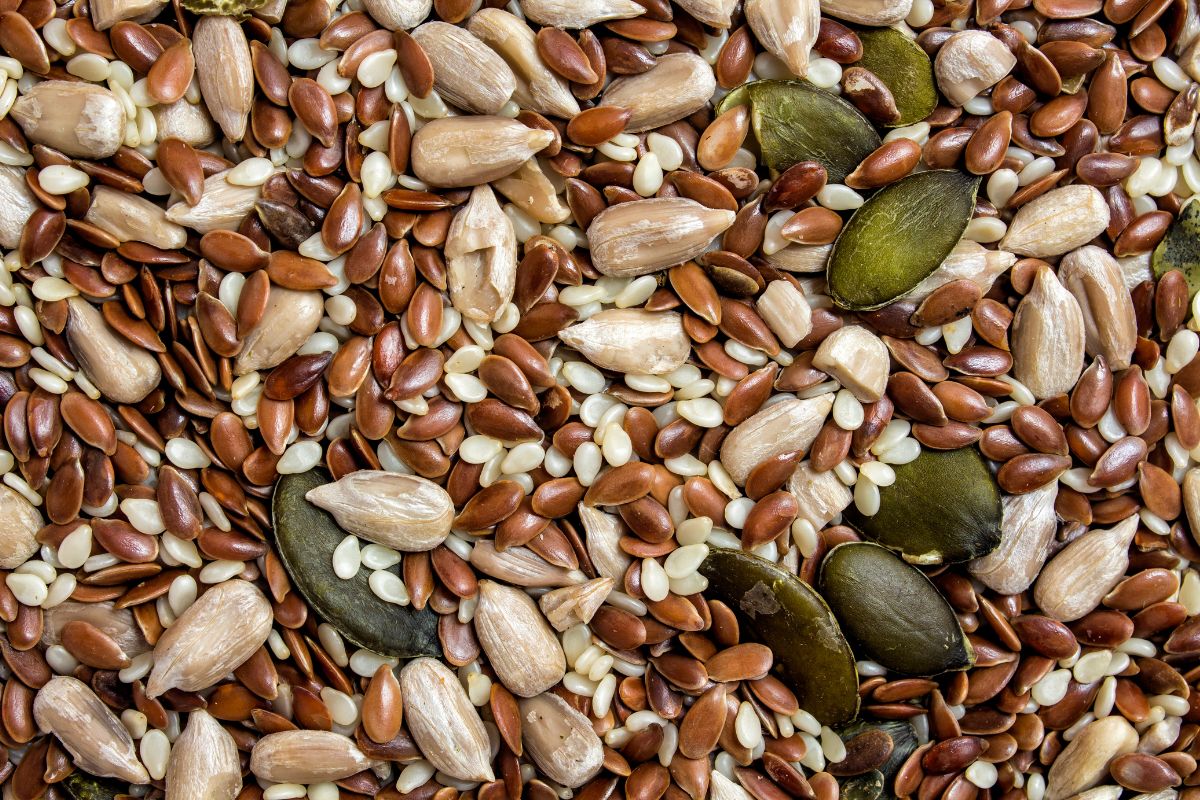
Across Bhutan’s mountain farming communities, seeds represent far more than planting material. They carry generations of local knowledge, adaptation to specific environments, and traits that help crops survive difficult growing conditions. As climate change and market pressures affect agriculture, protecting these resources has become increasingly important.
To address this challenge, Bhutan has expanded community-based seed exchange programmes that encourage farmers to share, conserve, and multiply traditional crop varieties. The initiative aims to strengthen seed security while ensuring that valuable local genetics remain available for future generations.
The programme is gaining attention because it combines biodiversity conservation with practical support for farmers. Instead of relying entirely on external seed supplies, communities are strengthening their own local seed systems through cooperation and knowledge sharing.
Researchers view the initiative as an important example of climate adaptation rooted in agricultural diversity.
Traditional Seeds Remain Valuable
Many traditional crop varieties developed over decades or even centuries under local environmental conditions. Farmers selected seeds from plants that performed well under specific climates, soils, and management practices. As a result, these varieties often possess traits that modern agriculture increasingly values.
Some traditional seeds tolerate drought better than commercial alternatives. Others perform well in poor soils or under fluctuating weather conditions. These characteristics are becoming more important as climate variability affects agricultural production across many regions.
By preserving traditional varieties, farmers maintain access to genetic resources that may prove critical in the future. The seed exchange programme helps ensure these resources remain actively cultivated rather than disappearing from agricultural landscapes.
Access to quality seed remains a challenge for many smallholder farmers, particularly in remote mountain regions. Commercial seed distribution networks do not always reach every village, and farmers may struggle to obtain varieties suited to local conditions.
Community seed exchanges help address this issue by creating local networks through which farmers can obtain planting material directly from one another. These exchanges improve availability while encouraging the continued cultivation of diverse crop varieties.
The approach also reduces dependence on external suppliers. Farmers gain greater control over their planting material and can select seeds based on local knowledge and experience rather than solely on commercial availability.
Agricultural biodiversity is increasingly recognised as an important tool for climate resilience. Farming systems that rely on a wide range of crops and varieties are often better able to withstand environmental shocks than systems dependent on a small number of genetic resources.
Researchers studying climate adaptation frequently emphasise the importance of maintaining diverse seed stocks. Different varieties respond differently to drought, pests, diseases, and temperature extremes. This diversity acts as a form of insurance against future uncertainty.
Bhutan’s programme contributes directly to this goal by encouraging farmers to preserve and exchange a broad range of traditional crops. The result is a more resilient agricultural system capable of adapting to changing conditions.
Farmers Preserve Knowledge Alongside Seeds
The value of seed exchange extends beyond the seeds themselves. Farmers also share information about cultivation methods, storage practices, harvesting techniques, and local adaptation strategies. This transfer of knowledge strengthens rural communities and helps maintain agricultural traditions.
Many older farmers possess extensive experience with traditional varieties that younger generations may not know. Community exchanges create opportunities for this knowledge to remain active rather than disappearing over time.
Agricultural experts often note that preserving traditional farming knowledge is just as important as conserving genetic resources. The programme supports both objectives simultaneously.
Food security depends not only on crop production but also on reliable access to planting material. Communities with strong local seed systems are often better prepared to recover from crop failures, natural disasters, or supply chain disruptions.
Seed exchange programmes help create this resilience by ensuring that farmers maintain access to diverse planting materials even during challenging periods. Local seed availability reduces vulnerability and strengthens long-term agricultural stability.
The initiative is particularly relevant in mountain regions where transportation challenges can affect access to external inputs. Strong community networks provide an additional layer of security.
Investing in Agriculture’s Future
Bhutan’s community seed exchange programme demonstrates that agricultural resilience often begins with simple but effective local solutions. By encouraging farmers to conserve, exchange, and multiply traditional varieties, the initiative supports biodiversity, strengthens food security, and improves climate adaptation capacity.
The programme also highlights the importance of community participation in agricultural development. Farmers are not merely beneficiaries. They are active custodians of genetic resources and agricultural knowledge that have been built over generations.
As climate challenges continue to reshape farming systems worldwide, efforts to preserve seed diversity are becoming increasingly important. In Bhutan’s villages, that work is already underway, one seed exchange at a time.
Also Read: Punarnava Jal – The world’s first organic fertilizer! Know how it is beneficial for farmers?
Contact us – If farmers want to share any valuable information or experiences related to farming, they can connect with us via phone or whatsapp at 9599273766 or you can write to us at “kisanofindia.mail@gmail.com”. Through Kisan of India, we will convey your message to the people, because we believe that if the farmers are advanced then the country is happy.
You can connect with Kisan of India on Facebook, Twitter, and Whatsapp and Subscribe to our YouTube channel.